Insurance Insights & Guidance
Coverage Made Clear
Cutting through insurance jargon to deliver clear, actionable guidance for everyday policyholders.

How to Read an Insurance Quote Like a Professional
Insurance quotes contain dense information that most consumers skim past. Learning to read every section of a quote — from coverage summaries to endorsement schedules — reveals the true quality of each offer.

More Stories
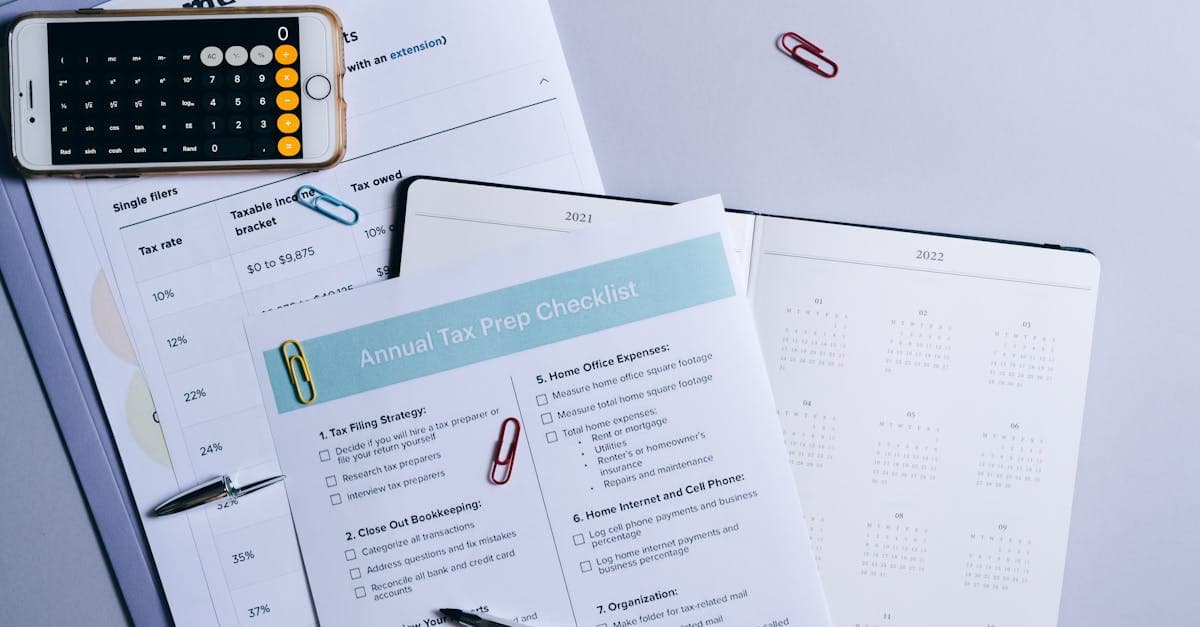
Policy Checkup After Buying a Home: Getting Your Coverage Right
Homeownership brings dwelling coverage, personal property protection, liability limits, and flood risk questions. A thorough policy checkup when you buy a home prevents costly coverage mistakes.

Why Insurance Companies Oppose Assignment of Benefits Agreements
Insurers argue that AOB drives up claim costs, encourages litigation, and inflates repair bills. Understanding the insurer perspective helps you evaluate whether an AOB serves your interests.

Homeowners Insurance Claim Timeline: From Damage to Repair Completion
Homeowners claims involve inspections, estimates, contractor scheduling, and sometimes supplemental claims. Each stage has a typical duration that you should understand before filing.

How to Photograph Damage for an Insurance Claim the Right Way
Insurance adjusters rely heavily on photographic evidence. Learning how to take comprehensive, well-organized photos of damage before any cleanup or repairs strengthens your claim significantly.

Not Updating Your Beneficiaries: A Life Insurance Mistake With Serious Consequences
Failing to update beneficiaries after marriage, divorce, or the birth of children can send your death benefit to the wrong person. Regular beneficiary reviews ensure your coverage protects the right people.
How Interest Rate Assumptions Drive Life Insurance Illustration Projections
The assumed interest or crediting rate is the single most influential assumption in a life insurance illustration. Even small changes in this assumption dramatically alter projected values over decades.

Life Insurance Medical Exam Urine Tests: What Insurers Are Looking For
Urine tests in a life insurance exam screen for nicotine, cocaine, glucose, protein, and other markers that reveal kidney function, diabetes, drug use, and overall metabolic health.

How Criminal History Affects Life Insurance Eligibility
A criminal record does not necessarily prevent you from getting life insurance, but it significantly affects underwriting decisions. The type of offense, how recent it was, and your current status all matter to insurers.

What Happens to Your Death Benefit When You Borrow From Life Insurance?
Outstanding policy loans reduce the death benefit paid to beneficiaries dollar for dollar. Understanding this reduction helps policyholders balance their borrowing needs against their family's protection requirements.

Universal Life Cash Value: Flexible Premiums and Interest-Credited Growth
Universal life insurance credits interest to cash value based on current market rates or a declared rate. The flexible premium structure lets policyholders adjust payments and manage cash value growth.

The Accelerated Death Benefit: Accessing Your Death Benefit While Still Alive
An accelerated death benefit rider allows terminally ill policyholders to receive a portion of their death benefit before death. This living benefit can cover medical expenses and end-of-life care.

The Tax Consequences of Life Insurance With No Designated Beneficiary
Death benefits paid to a named beneficiary are typically income tax free. When proceeds go to the estate, they may increase the estate's value and trigger estate tax liability.

How Many Beneficiaries Can You Have on a Life Insurance Policy?
Most life insurance policies allow you to name as many beneficiaries as you want. There is no legal limit, though practical considerations suggest keeping the list manageable and the percentage allocations clear.

Remarriage and Life Insurance Beneficiaries: Protecting Your Blended Family
Remarriage creates complex beneficiary situations. You may want to provide for your new spouse, children from your first marriage, and stepchildren. Careful beneficiary planning prevents family disputes.

Using a Trust as Your Life Insurance Beneficiary: Benefits and Considerations
Naming a trust as your life insurance beneficiary provides control over how and when proceeds are distributed. Trusts are especially valuable when beneficiaries are minors, have special needs, or need protection from creditors.

How Much Life Insurance Do You Need to Cover Your Mortgage?
At minimum, your life insurance should cover the remaining mortgage balance. A more comprehensive approach adds income replacement and other debts to ensure your family maintains their lifestyle.

Do You Need Life Insurance If No One Depends on Your Income?
Even without financial dependents, life insurance covers funeral costs, outstanding debts, and can leave a legacy to causes or people you care about. Evaluate your full financial picture.

Whole Life Insurance for Estate Planning: Permanent Protection With Tax Advantages
Whole life insurance provides a guaranteed death benefit that lasts your entire life, making it ideal for estate planning needs including estate tax liquidity, inheritance equalization, and wealth transfer.

Universal Life Insurance Death Benefit Options Explained
Universal life policies offer two death benefit options: a level death benefit where the total payout stays constant, and an increasing death benefit that adds cash value on top of the face amount. Each option affects premiums and accumulation differently.

How Policy Loans Work in Whole Life Insurance
Whole life policyholders can borrow against their accumulated cash value at competitive interest rates without credit checks or income verification. Policy loans provide flexible access to funds while coverage remains in force.

Level Term Life Insurance: How Fixed Premiums Protect Your Budget
Level term life insurance locks in the same premium for the entire term length. Your rate at age thirty remains your rate at age fifty, providing predictable costs for your entire coverage period.

How Much Life Insurance Do You Need to Pay Off Your Mortgage?
Your mortgage is likely your largest debt. Including mortgage payoff in your life insurance calculation ensures your family can keep the home without the income that currently pays the monthly payment.

Covering Funeral and Burial Costs: A Basic Reason to Buy Life Insurance
Funeral and burial costs range from $7,000 to $15,000 or more. Life insurance ensures surviving family members are not burdened with these immediate expenses during their most difficult time.

How Life Insurance Premiums Are Calculated and What Affects Your Rate
Life insurance premiums depend on your age, health, gender, lifestyle, coverage amount, and policy type. Knowing these factors helps you understand your quote and find the most affordable coverage.

Flood Insurance for Apartment Renters: A Complete Guide
Apartment renters can purchase flood insurance to protect their personal property regardless of which floor they occupy. Ground-floor and basement-level tenants face the highest risk but any renter can buy coverage.

Ground Floor Condo Flood Risk: Why First-Floor Units Need Extra Protection
Ground floor and garden-level condo units face significantly higher flood risk than upper floors. Individual flood insurance is especially important for first-floor condo owners whose units are most vulnerable to rising water.
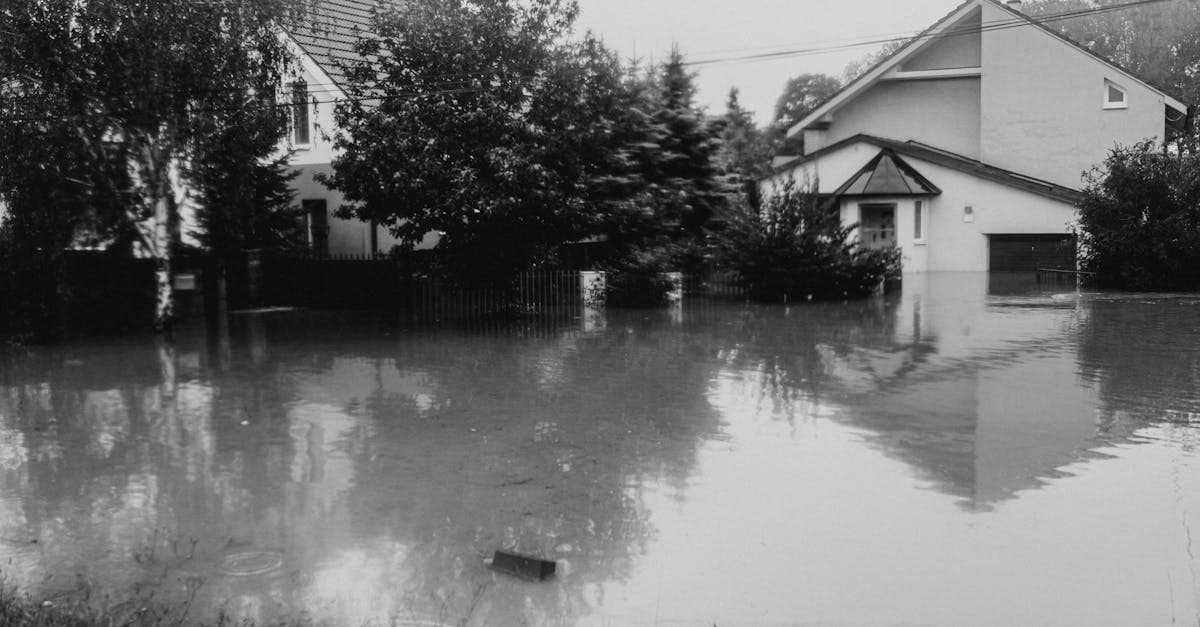
Flash Floods Do Not Follow FEMA Maps: Why Location Does Not Equal Safety
Flash floods caused by intense rainfall can strike anywhere regardless of flood zone designation. These events are among the most destructive and least predictable natural disasters in the United States.

Understanding When Your Hurricane Deductible Resets Each Year
Hurricane deductibles typically reset at the start of each calendar year or policy year depending on the insurer. Knowing your reset date helps you plan finances and understand your exposure at any point during hurricane season.

When a Tropical Storm Becomes a Hurricane: How Your Deductible Shifts
If a tropical storm strengthens into a hurricane before damaging your home, the hurricane deductible applies. If it damages your home while still classified as a tropical storm, your standard deductible may apply instead.

2 Percent vs 5 Percent vs 10 Percent Hurricane Deductibles in Florida
Florida homeowners can choose hurricane deductible percentages of 2, 5, or 10 percent of their dwelling coverage. Each level offers different premium savings but changes your out-of-pocket exposure dramatically.

What Triggers a Hurricane Deductible? Named Storms and Declaration Rules
A hurricane deductible applies when the National Weather Service declares a hurricane. Some policies trigger the hurricane deductible only when the storm makes landfall as a hurricane near your area.

Wind Damage Evidence: How Adjusters Identify Wind-Caused Destruction After a Storm
Wind damage produces specific physical signatures — missing shingles, broken rafters, shattered windows from flying debris. Adjusters look for these patterns to attribute damage to wind.

Storm Damage: How Flood and Homeowners Insurance Split the Claim
A single storm can trigger both policies simultaneously. Wind damage goes to homeowners insurance while rising water damage goes to flood insurance. Understanding the split prevents claim confusion.

Why Your Flood Insurance Will Not Pay for Temporary Housing
Unlike homeowners insurance, standard NFIP flood policies do not cover additional living expenses or loss of use when you are displaced from your home. This exclusion creates a significant financial gap for flood victims.

What Flood Insurance Covers Inside Your Walls: Electrical, Plumbing, and More
Flood insurance covers the systems hidden inside your walls including electrical wiring, plumbing, and ductwork. These behind-the-wall components are expensive to repair and fully covered under building policies.

Why Inland Florida Homeowners Need Flood Insurance Too
Inland Florida homes face significant flood risk from heavy rainfall, poor drainage, and overflowing lakes and rivers. Distance from the coast does not equal distance from flood damage.

The Federal Flood Insurance Mandate: How It Applies in Florida
The National Flood Insurance Act and the Flood Disaster Protection Act require flood insurance for properties in Special Flood Hazard Areas with federally regulated or insured mortgages.
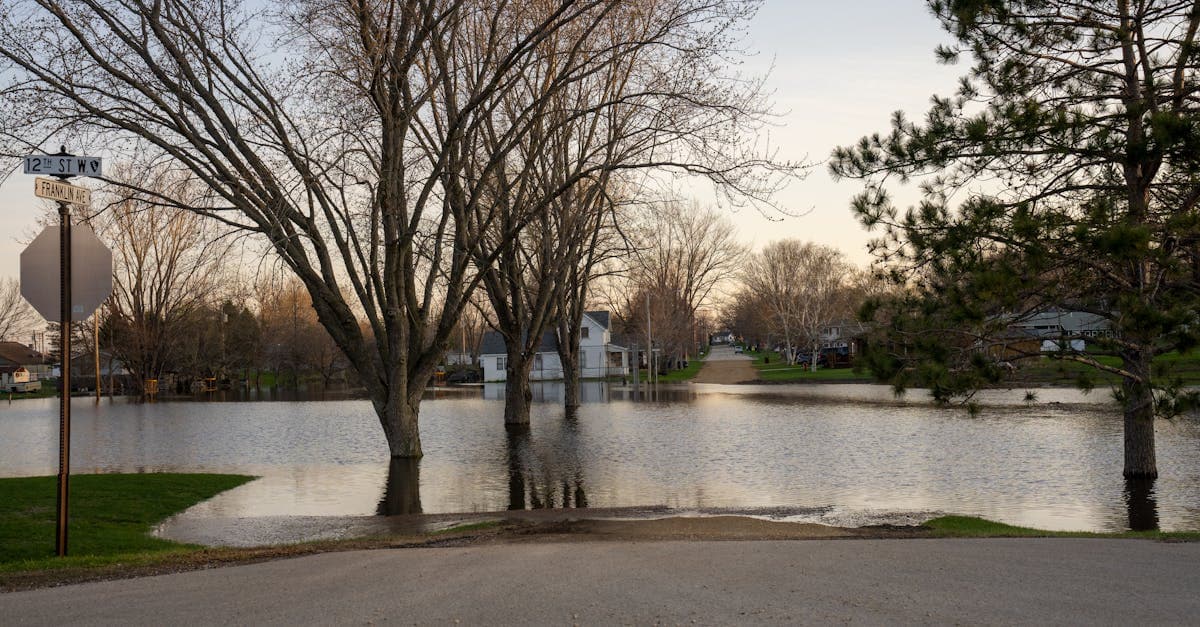
NFIP vs Private Flood Insurance: Comparing Your Options
The NFIP offers standardized coverage with federal backing, while private flood insurers may offer higher limits, broader coverage, and competitive pricing. Understanding both options helps you choose the best flood protection.
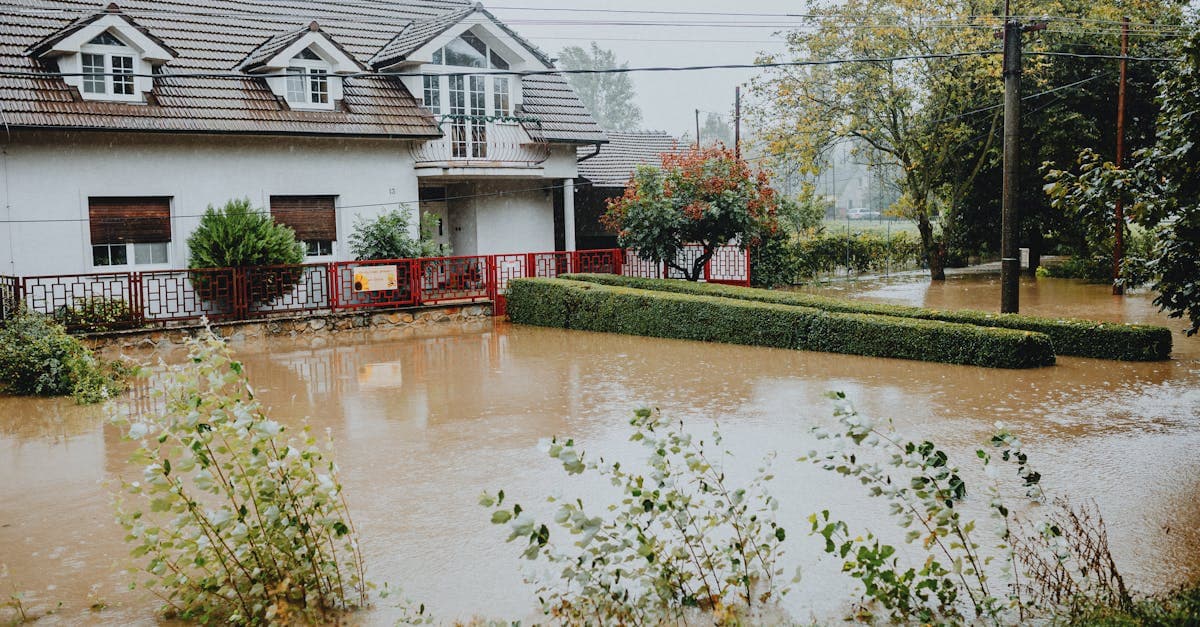
Burst Pipe vs Flood: Which Water Damage Does Your Homeowners Policy Cover?
A burst pipe that damages your floors is covered by homeowners insurance. Floodwater that damages the same floors is not. The source of the water determines whether your claim is paid or denied.

Florida Windstorm Coverage: What Your Policy Actually Covers
Windstorm coverage in Florida involves specific deductibles, coverage triggers, and exclusions that differ from standard homeowners provisions. Asking detailed questions about wind coverage prevents claim surprises.

Home Security Systems and Insurance Discounts: What You Can Save
Installing a monitored security system can reduce your homeowners insurance premium by 5 to 20 percent. Burglar alarms, fire alarms, and smart monitoring systems all qualify for potential savings.

Policy Period and Effective Dates on Your Homeowners Declarations Page
Your declarations page shows when your coverage starts and ends. Understanding your policy period ensures you are never without coverage and know exactly when renewal is due.

How to Document Damage After a Home Insurance Loss
Documenting damage immediately after a loss creates the evidence your insurer needs to process your claim. Photographs, videos, written descriptions, and damage timelines all contribute to a complete picture of what happened and what it will cost to repair.
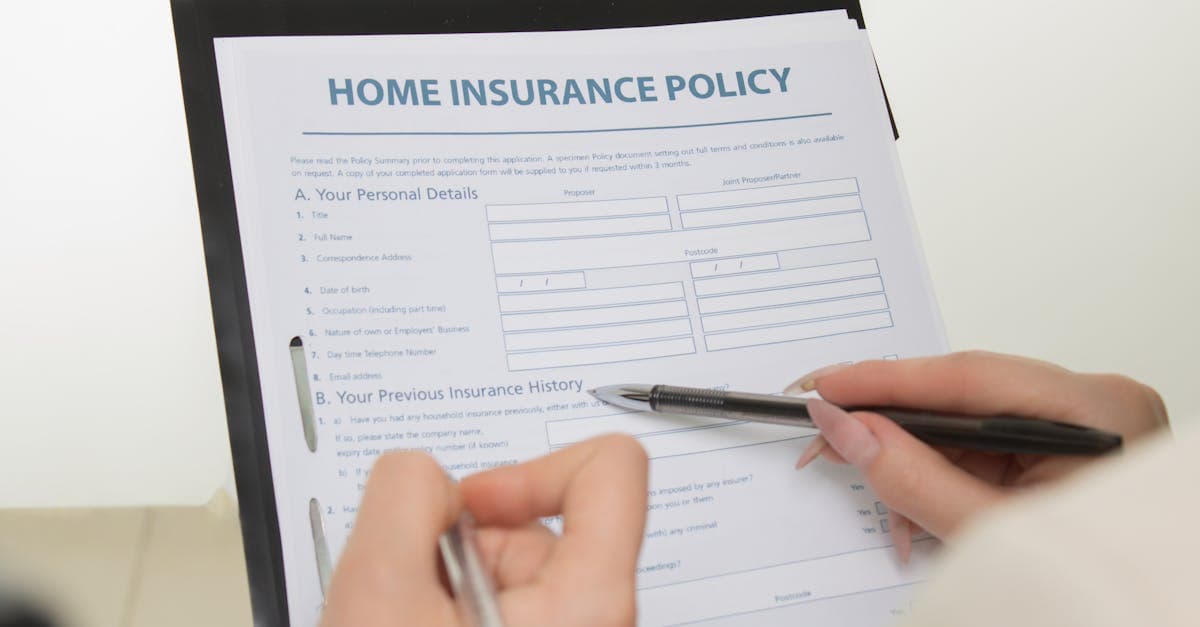
When Is the Best Time to Switch Homeowners Insurance?
While you can switch at any time, certain moments offer strategic advantages. After a rate increase, before renewal, or when a competitor offers substantially better terms are all optimal switching windows.

Endorsement Audit: What to Check on Your Policy Before Renewal
Endorsements modify your base coverage in important ways. Before renewing, verify that water backup, ordinance or law, scheduled property, and other critical endorsements are still active and adequately funded.

How Your Roof's Age and Condition Impact Your Homeowners Premium
An aging roof is one of the most common triggers for premium increases. Insurers view older roofs as higher risk for wind and hail claims, and some will not offer full replacement cost coverage on roofs over 15 to 20 years old.

When It Does Not Make Sense to File a Home Insurance Claim Because of Your Deductible
If your damage costs only slightly more than your deductible, filing a claim may cost you more in future premium increases than you receive in payout. Learn when to absorb a loss instead of filing.

Loss of Use Coverage: How Much Do You Need If Your Home Becomes Uninhabitable?
Loss of use coverage pays for temporary living expenses when a covered loss makes your home uninhabitable. Understanding how much this coverage provides and whether it matches your actual living costs prevents a financial crisis during an already stressful time.

Why ACV Homeowners Coverage Costs Less and Pays Less
Lower premiums attract homeowners to ACV policies, but the savings evaporate when a claim reveals depreciation has slashed your payout by 30 to 50 percent.

The Depreciation Holdback Process: How Replacement Cost Claims Are Actually Paid
Insurance companies typically pay replacement cost claims in two stages. The initial payment reflects actual cash value, and the depreciation holdback is released after you complete the repairs or replacement.

Personal Property Sublimits: Why Your Coverage May Not Pay What You Expect
Your homeowners policy has sublimits that cap coverage for specific categories like jewelry, electronics, firearms, and collectibles. These caps may be far below your actual losses.
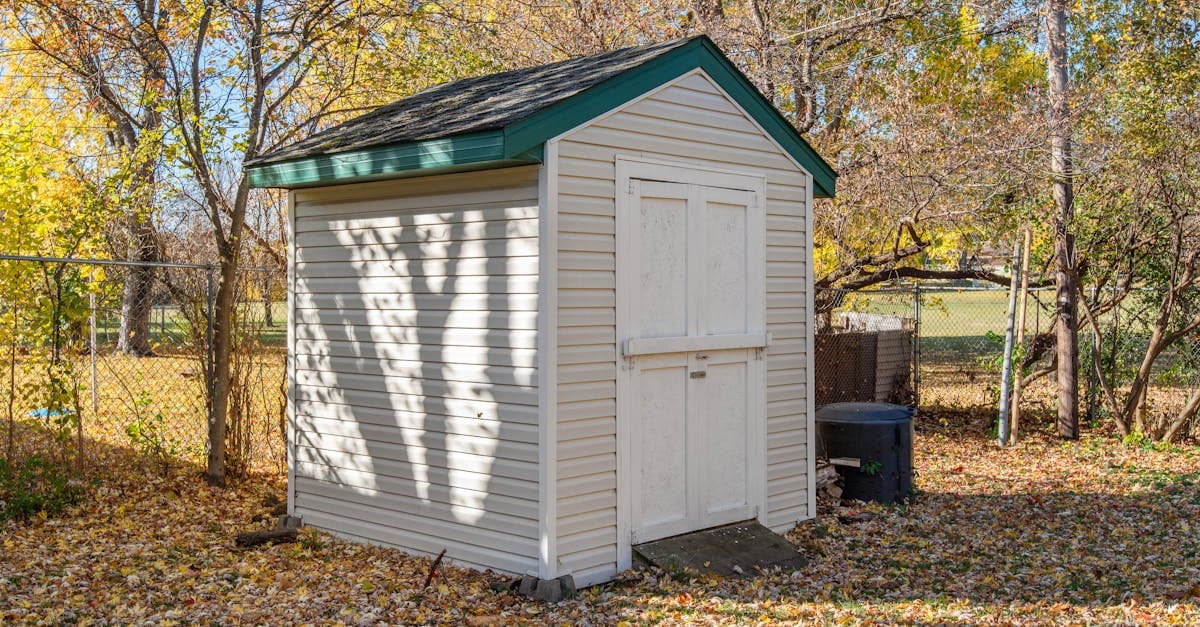
Fence Coverage on a Homeowners Policy: How Other Structures Applies
Your fence is a covered other structure under Coverage B. When a storm, fallen tree, or vehicle damages your fence, your homeowners policy pays for repair or replacement.

Extended Replacement Cost: Extra Dwelling Coverage When Rebuilding Costs Spike
Extended replacement cost adds 25 to 50 percent above your dwelling limit to cover unexpected cost increases during rebuilding. This buffer protects against construction cost spikes after disasters.

What Loss of Use Coverage Does Not Cover on Your Homeowners Policy
Loss of use coverage has important limitations and exclusions. Understanding what it does not pay for prevents surprises during an already difficult displacement period.

What Personal Liability on a Homeowners Policy Does Not Cover
Personal liability has important exclusions that every homeowner should understand. Knowing these gaps prevents surprises when you need coverage most.

How Homeowners Insurance Protects Belongings at Hotels and Rentals
Your personal property coverage travels with you to hotels, vacation rentals, and temporary lodgings. Here is what is covered and what falls outside the policy.
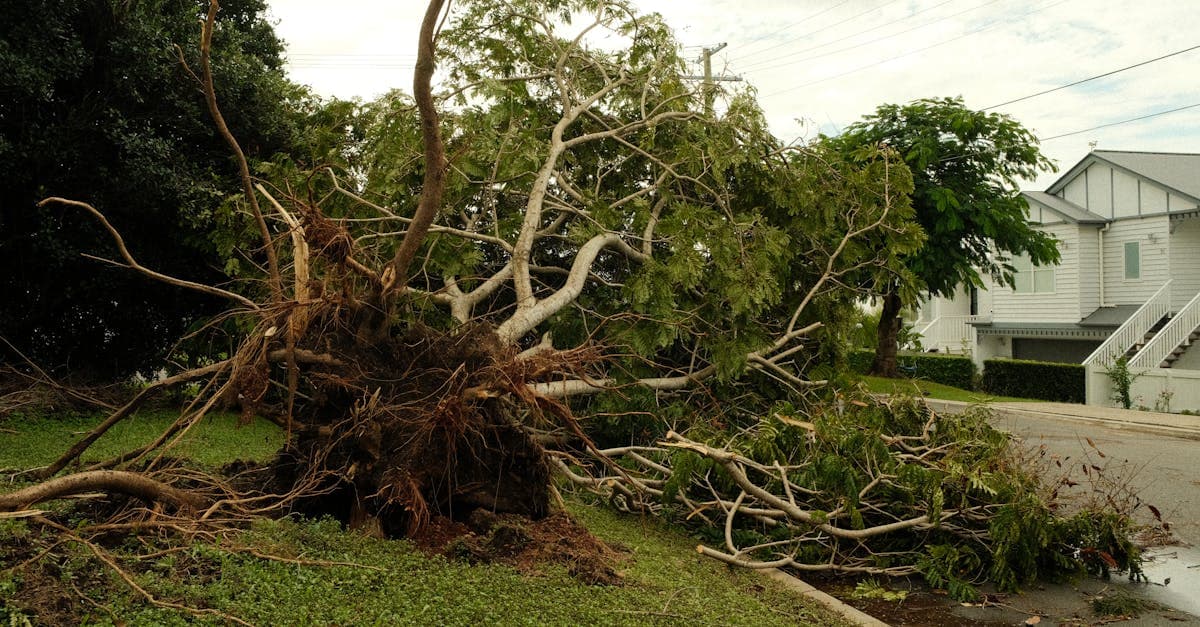
Your Tree Falls on Neighbor's Property: Are You Liable?
If your healthy tree falls during a storm onto your neighbor's home, you are generally not liable. But dead or diseased trees create different liability outcomes.

Roof Damage From Storms: Filing an Insurance Claim
Your roof is the first line of defense against storms and the most common source of storm damage claims. Understanding the claims process protects your largest repair expense.

Frozen Pipes and Insurance Claims: Prevention and Coverage
Frozen pipes that burst are generally covered if you maintained adequate heat. Understanding the maintenance requirements prevents claim denials in cold weather.

Mold From a Burst Pipe: How Homeowners Insurance Responds
When a pipe bursts suddenly and mold develops from the water damage, your homeowners policy typically covers both the water damage and the resulting mold growth.
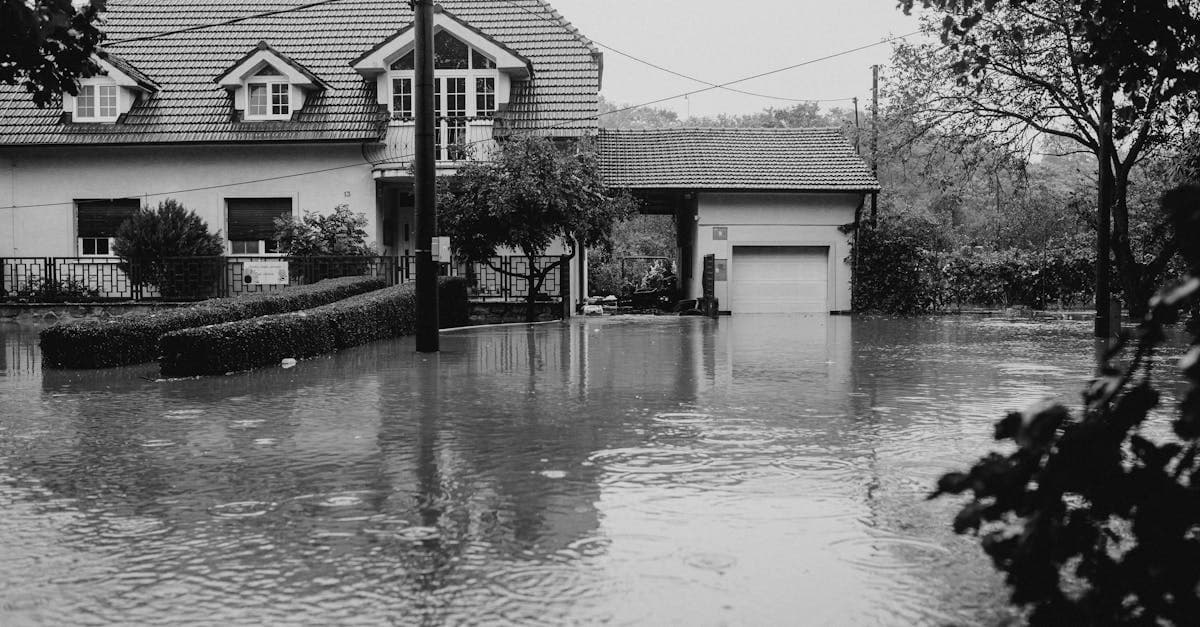
Ice Dam Water Damage: What Your Homeowners Policy Covers
Ice dams cause water to back up under your roof and leak into your home. Homeowners insurance covers ice dam water damage, but understanding the claims process helps northern homeowners recover fully.
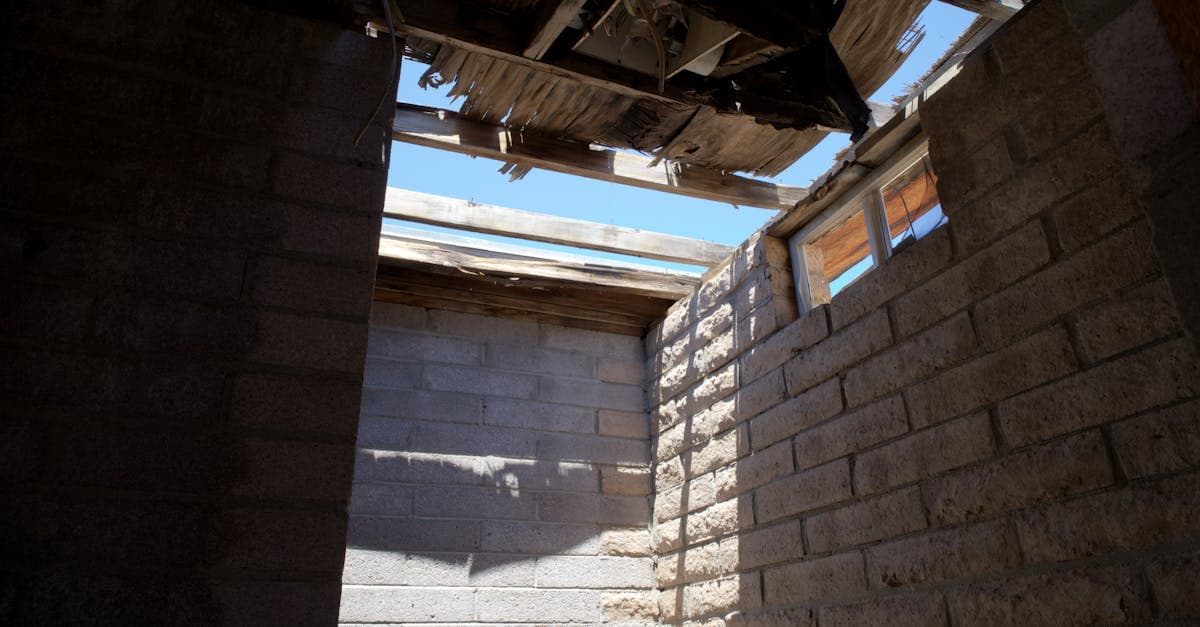
Wind-Driven Rain and Roof Leaks: Understanding Your Coverage
Wind-driven rain that enters through storm-damaged roofing is typically covered, but rain through pre-existing gaps may not be. The cause of the opening determines your coverage.

Sewer Backup: The Exclusion Homeowners Discover Too Late
Standard homeowners policies exclude sewer and drain backup damage. This common exclusion catches homeowners off guard until an inexpensive endorsement closes the gap.

Other Structures Coverage: Protecting Fences, Sheds, and Detached Garages
Your homeowners policy covers detached structures on your property at a percentage of your dwelling coverage. Understanding this section protects your garage, shed, and fences.

How Florida Rate Changes Should Trigger Your Next Policy Review
Florida's insurance market shifts frequently due to legislation, fraud trends, and catastrophe losses. Monitoring rate changes helps you time reviews for maximum savings.

Florida Insurance Lapse and Your Driving Record
An insurance lapse in Florida creates a permanent mark on your driving history that insurers see when calculating your premiums for years afterward.

Florida's Financial Responsibility Law: What Every Driver Must Know
Florida's financial responsibility law kicks in after an at-fault accident. If you cannot prove financial responsibility, you face license suspension and SR-22 requirements.

How Property Damage Liability Claims Work in Florida
Filing a PDL claim in Florida follows a specific process. Understanding each step helps you manage the aftermath of an at-fault accident efficiently.

Does Florida PIP Cover Passengers in Your Vehicle?
PIP extends coverage to passengers in your vehicle under specific conditions. Knowing who qualifies for your PIP benefits prevents confusion after a multi-person accident.

Exchanging Information at an Accident Scene in Florida
Florida law requires certain information exchanges after an accident. Knowing what to collect protects your claim and satisfies legal requirements.

What If Someone Crashes Your Car and They Have No Insurance?
An uninsured borrower crashing your car means your policy bears the full burden. Understanding the financial exposure helps you manage the risk.

Does Your Insurance Cover Family Members Driving Your Car?
Family members living in your household may need to be listed on your policy. Coverage rules differ for resident and non-resident relatives.

Stolen Car Recovery: What Happens When Police Find Your Vehicle
If your stolen vehicle is recovered, the insurance outcome depends on the condition and timing. Learn how recovery affects your claim and what to expect.

Will a Windshield Claim Raise My Insurance Rates?
Glass claims are among the least likely to increase your premium. Learn why comprehensive glass claims are treated differently from collision and at-fault claims.

Gap Insurance Through Your Insurer vs the Dealer
Dealers charge significantly more for gap coverage than auto insurers. Knowing your options can save you hundreds of dollars on the same protection.

Rental Reimbursement vs Transportation Expense Coverage
Some insurers call it rental reimbursement while others call it transportation expense coverage. The names differ but the core coverage is similar.

Locked Out of Your Car? How Roadside Assistance Helps
Lockout service through roadside assistance sends a professional to unlock your vehicle. Understanding coverage details prevents confusion during a stressful moment.

Is UM Coverage Worth It If You Already Have Health Insurance?
Health insurance covers medical bills but not lost wages, pain and suffering, or vehicle damage. UM coverage fills gaps that health insurance cannot.

What Uninsured Motorist Bodily Injury Coverage Actually Pays For
UMBI covers medical expenses, lost wages, pain and suffering, and more when an uninsured driver injures you. Here is what to expect.

How Much Does Comprehensive Insurance Cost? Factors That Set Your Rate
Your comprehensive premium depends on your vehicle, location, deductible, and claims history. Understanding these factors helps you find the best rate.

Do You Need Collision Insurance? A Decision Framework for Every Driver
Collision coverage is not required by law but may be required by your lender. This framework helps you decide whether carrying it makes financial sense.

The Surprisingly Small Cost Difference Between Low and High Liability Limits
Doubling or tripling your liability limits often costs just $200-500 per year more. This small premium increase buys enormous additional protection.

Do You Need Full Coverage Car Insurance? A Decision Framework
Full coverage makes sense in some situations and is optional in others. This framework helps you determine the right coverage level for your specific circumstances.

Auto Insurance Explained: A Plain-Language Guide for Every Driver
Insurance jargon makes auto coverage seem complicated. This plain-language guide breaks down exactly what auto insurance is, does, and why you can't safely drive without it.

How to Compare Insurance Quotes by Asking the Right Questions
Comparing insurance solely on price is like comparing cars solely on color. These questions reveal the true differences between competing quotes.

The Renewal Notice Review: Making the Most of Annual Renewal Time
Your renewal notice is not just a bill. It is an invitation to review, adjust, and optimize your coverage for the year ahead.

How Inflation Is Driving Insurance Rates Higher for Everyone
Construction costs, auto parts, medical expenses, and labor rates have all surged. Your premium reflects what it would cost to make you whole today.

The Break-Even Point: Calculating When Filing a Claim Makes Sense
There is a specific dollar amount where filing a claim becomes worthwhile. Below that threshold, self-insuring is almost always the better choice.

Should You File a Claim for Minor Damage?
Small dents, minor leaks, and cosmetic damage create the toughest filing decisions. Learn when small claims are worth it and when they're not.

How to Appeal a Denied Insurance Claim
A denial is not the final word. The appeals process gives you multiple opportunities to reverse the decision and recover what you're owed.

Life Insurance Riders That Protect Your Family
Waiver of premium, accelerated death benefit, and child term riders add valuable flexibility to your life insurance policy.

Health Insurance Exclusions: What Your Plan Will Not Pay For
Cosmetic procedures, experimental treatments, and pre-existing condition limitations are common health exclusions that affect millions of Americans.

Actual Cash Value for Your Home: What Homeowners Need to Know
If your dwelling coverage uses ACV, your claim payout reflects the depreciated value of your home — not what it costs to rebuild.
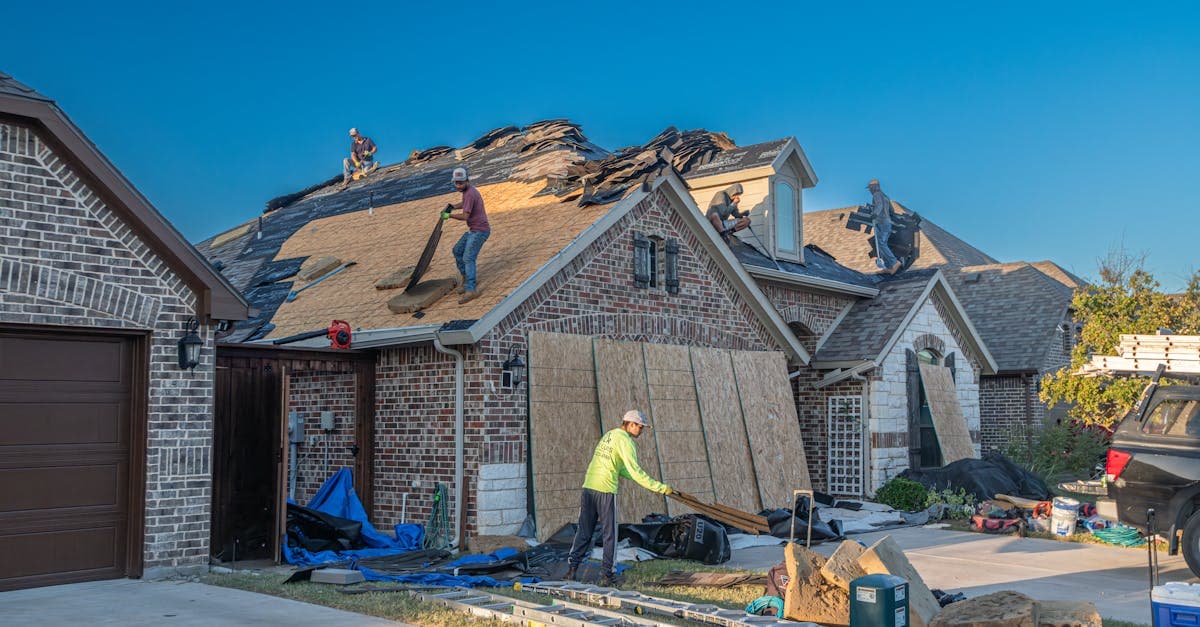
How Insurers Calculate Your Home's Replacement Cost
Insurers use construction cost databases, local labor rates, and your home's specs to estimate rebuild cost. Here's how the math works — and where it often falls short.

Coverage Limit vs. Deductible: Finding the Right Balance
Higher limits with a lower deductible means more protection but higher premium. Use this framework to find the combo that matches your budget and risk.
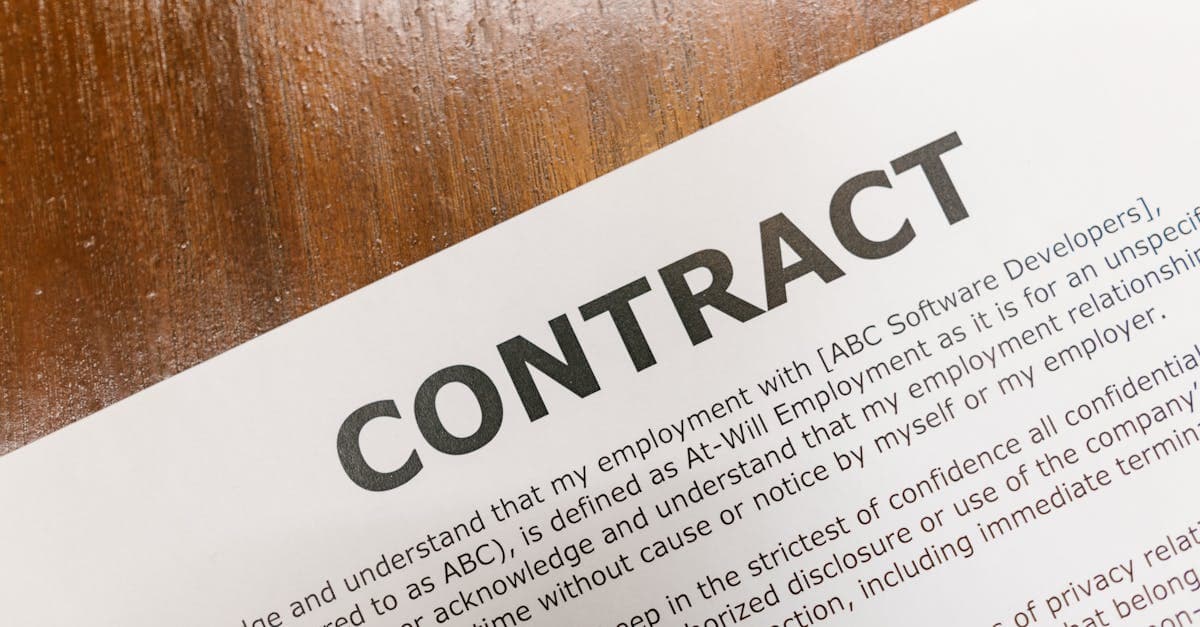
What Your Declarations Page Reveals About Your Coverage
Your dec page is not just paperwork. It is a detailed snapshot of your protection, your costs, and your obligations. Learn to read it critically.

Insurance Premiums 101: From Basics to Smart Strategies
Whether you are buying your first policy or reviewing your tenth, understanding premiums is the key to making informed insurance decisions.

Deductibles 101: From Basic Concept to Smart Strategy
Whether you are new to insurance or rethinking your coverage, understanding deductibles is the foundation of every good policy decision.

Insurance Coverage Explained Simply: What Every Policy Actually Protects
Insurance is full of confusing terms and fine print. This guide strips away the jargon and explains — in plain language — what each type of insurance actually covers and what it does not.
