Does Florida PIP Cover Passengers in Your Vehicle?

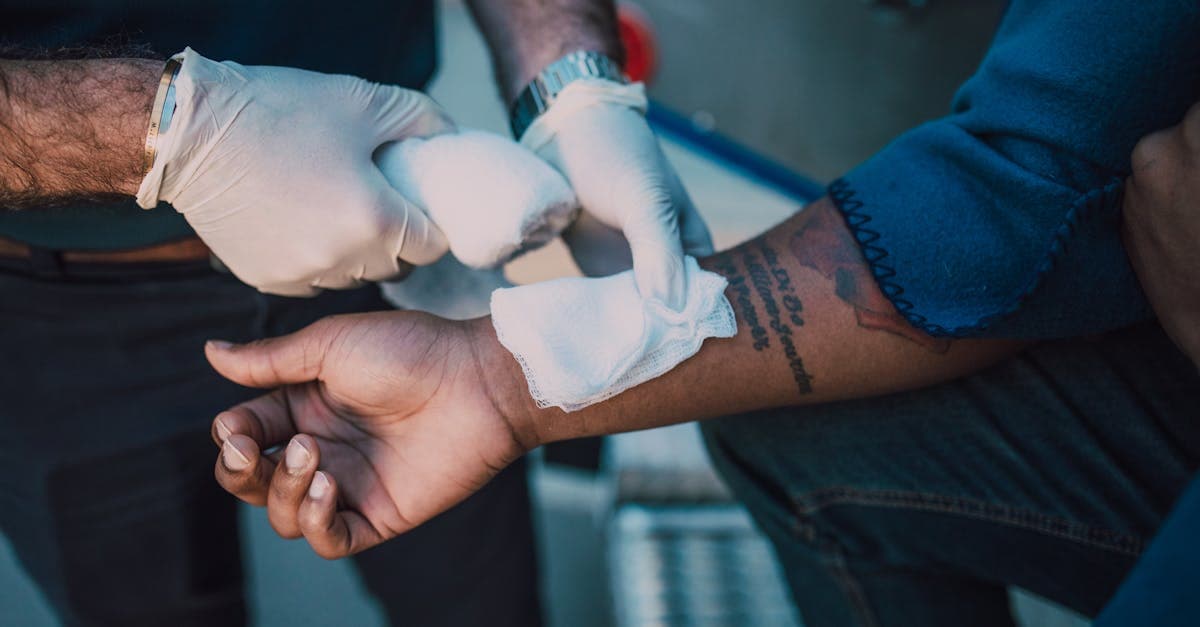
Florida law forces every driver to buy PIP coverage, but the state does remarkably little to ensure drivers understand what they are purchasing. As a consumer, your first priority should be knowing exactly what your mandatory PIP premium buys you.
PIP coverage is the immediate shelter that protects Florida drivers from the financial storm following any auto accident. It provides 80 percent of medical expenses and 60 percent of lost wages up to a combined $10,000 limit per accident. That is the core benefit. But the details around that core benefit — the 14-day treatment deadline, the emergency medical condition distinction, the fee schedule limitations, and the coordination with health insurance — dramatically affect the real-world value of your coverage.
Insurance companies benefit from consumer confusion about PIP. When you do not understand the 14-day rule, you may lose benefits the insurer never has to pay. When you do not understand coordination of benefits, you may leave money on the table. When you do not know your deductible options, you may be paying more premium than necessary.
The informed Florida driver treats PIP as one component of a broader protection strategy. PIP handles the first $10,000 of medical expenses and lost wages. Health insurance, bodily injury liability coverage, uninsured motorist coverage, and med-pay fill the gaps that PIP cannot cover alone. Understanding PIP's role in this system helps you build complete protection without paying for unnecessary overlap.
PIP Coverage for Your Household: Who Is Protected
But does this hold up under scrutiny? Florida PIP is the immediate shelter that protects Florida drivers from the financial storm following any auto accident that extends beyond the named insured to cover household members in specific situations. Understanding who qualifies for your PIP benefits prevents coverage gaps for your family.
Named insured coverage: The named insured on the policy — the person who purchased the auto insurance — receives PIP coverage in any auto accident, whether driving the insured vehicle, riding as a passenger in any vehicle, or even walking or cycling when struck by a motor vehicle.
Resident relative coverage: Relatives who reside in your household are generally covered under your PIP policy. This includes your spouse, children, parents, and other relatives who share your home address. They receive PIP benefits when involved in auto accidents even if they were not in your insured vehicle at the time.
Dependent children away from home: Children who are dependents but live away from home — such as college students — may still be covered under your PIP policy. The specific rules depend on your policy terms and whether the child is claimed as a dependent, maintains your home as their primary address, and does not have their own separate auto insurance.
Passengers in your vehicle: People who are passengers in your insured vehicle at the time of an accident may be eligible for PIP benefits under your policy, though the hierarchy of coverage sources applies. If the passenger has their own PIP policy, their own coverage typically pays first.
Excluded drivers: If you elected to exclude a specific household member from your PIP coverage to reduce your premium, that person has no PIP coverage under your policy. This exclusion applies even when they are a passenger in your vehicle, making it a potentially dangerous cost-saving measure.
PIP and Health Insurance: How Coordination Works
But does this hold up under scrutiny? When you have both PIP and health insurance, the coordination of benefits determines which pays first after an auto accident. Florida PIP is the immediate shelter that protects Florida drivers from the financial storm following any auto accident, but understanding how it interacts with your health plan prevents billing confusion and maximizes your total benefits.
PIP pays first in most cases: Under Florida law, PIP is generally the primary payer for auto accident injuries. This means PIP pays its 80 percent of covered medical expenses first, and your health insurance may then cover some or all of the remaining 20 percent as secondary coverage.
Health insurance election option: Florida allows drivers to elect that their health insurance pays first and PIP pays second. This election reduces your PIP premium because it reduces the insurer's expected PIP payouts. However, it also means you use your health insurance deductible and copays before PIP activates, which may cost you more out of pocket.
Medicare and Medicaid coordination: For drivers with Medicare, PIP is generally primary and Medicare is secondary for auto accident injuries. Medicaid recipients follow similar coordination rules. These government programs have specific reimbursement procedures that affect how providers bill and how benefits are applied.
Employer group plan coordination: Employer-provided health insurance coordinates with PIP based on the terms of both the auto policy and the group health plan. Some group plans include auto accident exclusions that push more responsibility to PIP. Reviewing both policies before an accident occurs prevents unexpected coverage gaps.
Out-of-pocket impact: The coordination between PIP and health insurance directly affects your total out-of-pocket costs after an accident. Understanding which pays first and what each covers ensures you receive maximum reimbursement and minimum personal financial exposure.
The 14-Day Rule: Florida's Strictest PIP Requirement
The claim is worth questioning. No single PIP rule causes more lost benefits than Florida's 14-day treatment requirement. This rule is absolute: if you do not receive initial medical treatment within 14 days of an auto accident, you forfeit your PIP benefits completely.
How the rule works: The 14-day clock starts on the date of the accident, not the date you notice symptoms. If your accident occurs on March 1, you must receive medical treatment from a qualifying provider by March 15. Day 15 is too late. There are no extensions, no exceptions for holidays, and no flexibility for delayed symptoms.
Why the rule exists: Florida enacted the 14-day rule in 2012 to combat PIP fraud. Before this rule, some claimants waited weeks or months after an accident before seeking treatment, making it difficult for insurers to verify the connection between the accident and the claimed injuries. The 14-day window was designed to ensure that legitimate injuries receive prompt attention.
Qualifying providers for initial treatment: Not every medical provider satisfies the 14-day requirement equally. A medical doctor, osteopathic physician, or dentist can determine that you have an emergency medical condition, which qualifies you for the full $10,000 benefit. If your initial treatment is from a chiropractor or other non-physician provider, your benefits may be capped at $2,500.
Protecting yourself: See a doctor within 14 days of any auto accident, even if your symptoms seem minor. Delayed-onset injuries are common after car accidents, and establishing medical documentation within the 14-day window preserves your right to PIP benefits even if more serious symptoms develop later.
Florida's No-Fault System and How PIP Fits
But does this hold up under scrutiny? Florida is one of a shrinking number of states that operate under a no-fault auto insurance system. Understanding how this system works explains why PIP exists and why it functions the way it does.
No-fault basics: In a no-fault state, each driver's own insurance pays for their injuries after an accident, regardless of who caused it. You file a claim with your own insurer, not the other driver's insurer. This eliminates the need to establish fault before medical bills get paid.
The tradeoff: In exchange for guaranteed immediate benefits through PIP, Florida limits your ability to sue the other driver for injury-related damages. You can only file a lawsuit if your injuries meet Florida's tort threshold — meaning your injuries must be significant and permanent, not minor or temporary.
What the tort threshold requires: To sue for damages beyond PIP in Florida, you must demonstrate that your injuries include significant and permanent loss of a bodily function, permanent injury within a reasonable degree of medical probability, significant and permanent scarring or disfigurement, or death. Soft tissue injuries alone typically do not meet this threshold.
Why no-fault exists: The system was designed to reduce litigation costs, speed up compensation, and lower overall insurance costs. Whether it achieves these goals remains debated. Proponents argue that PIP pays claims faster than liability systems. Critics argue that fraud and high premiums have undermined the original cost savings.
Impact on Florida drivers: The practical impact is that every Florida driver must carry PIP coverage and should understand that their own policy — not the other driver's — is their primary source of medical expense coverage after an accident. Building your insurance strategy around this reality is essential.
Florida PIP and Motorcycles: A Critical Coverage Gap
The claim is worth questioning. Florida does not require motorcyclists to carry PIP coverage, and this exemption creates a significant protection gap that motorcycle riders must understand and address through other means.
The motorcycle PIP exemption: While Florida requires PIP on all registered motor vehicles, motorcycles are specifically exempted from the PIP requirement. This means motorcycle riders do not have the automatic no-fault medical coverage that car drivers receive. If you are injured in a motorcycle accident, your own auto insurance PIP does not apply.
Why the exemption exists: The motorcycle PIP exemption reflects the historically different risk profile and lobbying history of motorcycle operation. Motorcyclists argued that PIP premiums would be disproportionately high relative to benefits because motorcycle accidents tend to produce more severe injuries that quickly exceed the $10,000 PIP cap.
The coverage gap this creates: Without PIP, injured motorcyclists must rely on health insurance, the at-fault driver's liability coverage, or their own uninsured motorist coverage to pay medical bills. There is no immediate no-fault coverage that activates regardless of fault. This can mean delayed medical payment while fault is determined.
Protecting yourself as a motorcyclist: Carry robust health insurance, maintain high uninsured and underinsured motorist coverage limits, and consider medical payments coverage on your motorcycle policy. These layered protections compensate for the lack of PIP. Without them, a motorcycle accident can create immediate financial crisis.
PIP for car owners who also ride: If you own both a car and a motorcycle, your car's PIP policy does not extend to motorcycle accidents. The PIP coverage on your auto policy applies only when you are occupying a motor vehicle — motorcycles are classified differently under Florida law.
The 14-Day Rule: Florida's Strictest PIP Requirement
The claim is worth questioning. No single PIP rule causes more lost benefits than Florida's 14-day treatment requirement. This rule is absolute: if you do not receive initial medical treatment within 14 days of an auto accident, you forfeit your PIP benefits completely.
How the rule works: The 14-day clock starts on the date of the accident, not the date you notice symptoms. If your accident occurs on March 1, you must receive medical treatment from a qualifying provider by March 15. Day 15 is too late. There are no extensions, no exceptions for holidays, and no flexibility for delayed symptoms.
Why the rule exists: Florida enacted the 14-day rule in 2012 to combat PIP fraud. Before this rule, some claimants waited weeks or months after an accident before seeking treatment, making it difficult for insurers to verify the connection between the accident and the claimed injuries. The 14-day window was designed to ensure that legitimate injuries receive prompt attention.
Qualifying providers for initial treatment: Not every medical provider satisfies the 14-day requirement equally. A medical doctor, osteopathic physician, or dentist can determine that you have an emergency medical condition, which qualifies you for the full $10,000 benefit. If your initial treatment is from a chiropractor or other non-physician provider, your benefits may be capped at $2,500.
Protecting yourself: See a doctor within 14 days of any auto accident, even if your symptoms seem minor. Delayed-onset injuries are common after car accidents, and establishing medical documentation within the 14-day window preserves your right to PIP benefits even if more serious symptoms develop later.
Quick Takeaways on Florida PIP
If you remember nothing else from this guide, remember these five points:
One: Florida PIP covers 80 percent of medical expenses and 60 percent of lost wages up to $10,000 per accident, regardless of fault. It is mandatory for every registered vehicle.
Two: You must seek medical treatment within 14 days of an accident or you lose all PIP benefits. No exceptions. See a doctor immediately after any crash.
Three: The emergency medical condition determination by a physician decides whether you get $10,000 or only $2,500 in medical benefits. Your choice of initial provider matters enormously.
Four: PIP alone is not enough for serious injuries. Layer it with health insurance, med-pay, and uninsured motorist coverage for complete protection.
Five: Your PIP deductible choice should match your overall insurance situation. High deductible saves premium but increases out-of-pocket risk if you lack health insurance backup.
These five rules help every Florida driver extract maximum value from their mandatory PIP coverage.
Continue reading

How to Read an Insurance Quote Like a Professional
Insurance quotes contain dense information that most consumers skim past. Learning to read every section of a quote — from coverage summaries to endorsement schedules — reveals the true quality of each offer.
Policy Checkup After Buying a Home: Getting Your Coverage Right
Homeownership brings dwelling coverage, personal property protection, liability limits, and flood risk questions. A thorough policy checkup when you buy a home prevents costly coverage mistakes.

Why Insurance Companies Oppose Assignment of Benefits Agreements
Insurers argue that AOB drives up claim costs, encourages litigation, and inflates repair bills. Understanding the insurer perspective helps you evaluate whether an AOB serves your interests.