Ice Dam Water Damage: What Your Homeowners Policy Covers

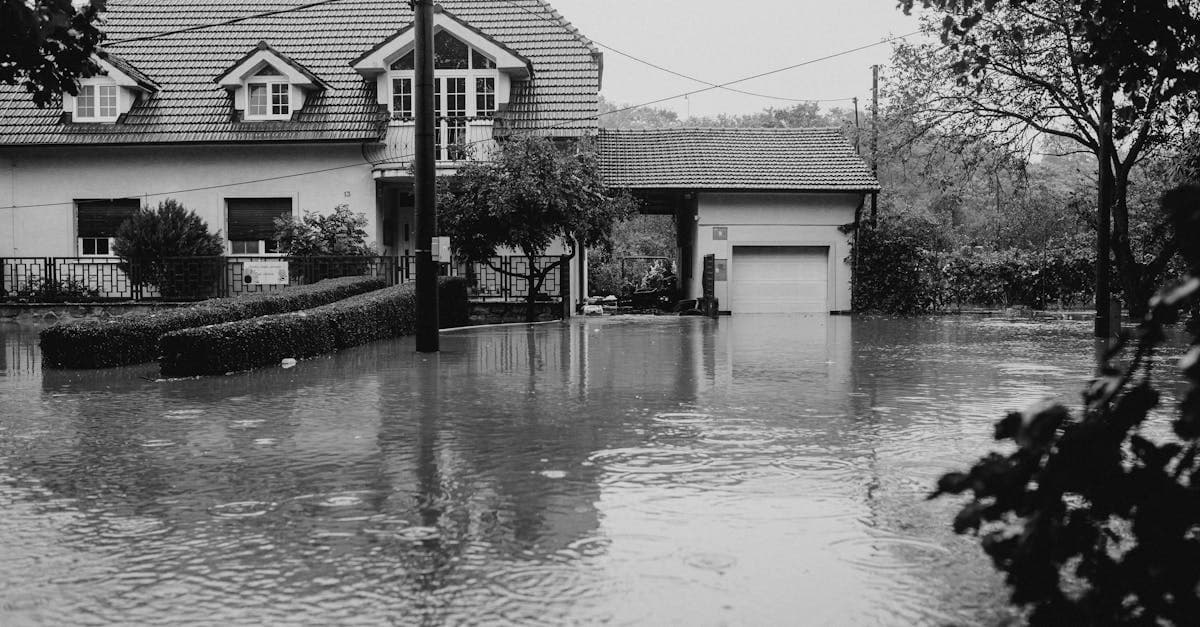
As a homeowner paying insurance premiums every month, you deserve a straight answer about water damage coverage. Your homeowners policy is the storm barrier that stands between homeowners and the financial deluge of water damage, holding firm whether the water comes from above, below, or inside the walls, but the water damage provisions contain more exclusions, conditions, and fine print than almost any other section of your coverage. Insurance companies benefit when you do not understand these distinctions because confused policyholders file fewer claims and accept more denials without challenge.
Here is what your insurer may not explain clearly: your standard homeowners policy covers sudden, accidental water damage from sources inside your home. A burst pipe, a ruptured washing machine hose, an overflowing toilet — these events are covered because they are sudden, unexpected, and beyond your control. But your policy excludes gradual leaks, flood damage, sewer backup, groundwater seepage, and water damage resulting from deferred maintenance.
The exclusions are where insurance companies save money and homeowners lose it. Sewer backup is one of the most common home damage events in America, yet it is excluded from every standard homeowners policy. Flood damage affects hundreds of thousands of homes each year, yet standard policies exclude it entirely. Gradual leaks cause billions in damage annually, yet the maintenance exclusion denies coverage for all of them.
Each of these excluded water damage categories has a solution — a separate endorsement or policy that provides coverage. But these solutions only work if you know the gaps exist before the water arrives. As a consumer advocate, my goal is to ensure every homeowner understands exactly which water damage events their standard policy covers, which are excluded, and which endorsements and supplemental policies close the most expensive gaps. This guide provides that transparency.
Water Damage Claim Denied? Your Options and Next Steps
But does this hold up under scrutiny? Water damage claim denials are frustratingly common, but a denial is not always the final word. Understanding why claims are denied and what options you have after a denial helps you either prevent the denial or challenge it effectively.
Common denial reasons: The gradual damage exclusion is the most frequent reason — your insurer determines damage developed over time rather than suddenly. Flood exclusions, maintenance exclusions, late notification, and missing sewer backup endorsements account for most remaining denials across the water damage category.
Reviewing the denial letter: Your insurer must provide a written explanation citing specific policy language. Compare the cited exclusions to your actual policy wording. Determine whether the denial references the correct exclusion and whether the facts of your situation actually support the insurer's interpretation.
Requesting reconsideration: Submit a written request with supporting evidence — a plumber's report documenting sudden failure, photographs showing the damage timeline, or sensor data proving recent discovery. Include anything that contradicts the stated denial reason.
Public adjuster option: A public adjuster works for you, not the insurer, typically charging ten to fifteen percent of the claim settlement. For large water damage claims, their expertise in documentation and negotiation often recovers significantly more than their fee.
State insurance department complaints: File a complaint with your state insurance department if you believe the denial was in bad faith. The department investigates consumer complaints and can pressure insurers to reconsider wrongful denials, especially when the denial contradicts clear policy language.
Ice Dam Water Damage: Coverage for Cold-Climate Homeowners
But does this hold up under scrutiny? Ice dams form when heat escaping through your roof melts snow that refreezes at the eaves, creating a barrier that traps water on your roof. That trapped water backs up under shingles and leaks into your home, causing damage to ceilings, walls, insulation, and personal property. Homeowners insurance covers ice dam water damage as a sudden weather-related event.
What your policy covers: The water damage from ice dam backup is covered under dwelling and personal property sections — damaged ceilings, walls, insulation, flooring, and belongings destroyed by the water. Restoration expenses including extraction and drying are covered.
Roof damage from ice dams: Damage to shingles, flashing, and underlayment from ice dam formation is covered under dwelling coverage as damage from the weight of ice and snow.
Ice dam removal costs: Many policies cover ice dam removal as part of your duty to mitigate further damage. However, some insurers consider removal a maintenance expense if ice dams recur on your roof.
The maintenance angle: Insurers may scrutinize claims from homes with chronic ice dam problems. Inadequate attic insulation and ventilation contribute to formation, and repeated claims may prompt required improvements.
Prevention strategies: Proper attic insulation prevents heat escape through the roof. Adequate ventilation keeps the roof deck cold. Heat cables along eaves provide a last defense.
Burst Pipe Coverage: What Your Homeowners Policy Pays
The claim is worth questioning. Burst pipes are one of the most common and most straightforward covered water damage events under homeowners insurance. When a pipe fails suddenly and water floods your home, your policy responds with coverage for the resulting damage — though the pipe itself may not be covered.
What is covered: Your homeowners insurance covers the water damage caused by the burst pipe — damaged walls, ceilings, flooring, drywall, personal property, and professional restoration including extraction, drying, and mold prevention. Loss of use coverage pays for temporary housing if needed.
The pipe itself: Most policies cover tear-out costs to access and repair the pipe — removing sections of wall, floor, or ceiling. However, the pipe repair itself may be excluded as maintenance. Some policies cover it while others only cover resulting water damage plus access costs. Check your policy language carefully.
Frozen pipe coverage: Pipes that burst from freezing are covered with a condition — you must have maintained adequate heat or taken reasonable steps to protect plumbing. Shutting off heat during winter vacation may result in denial for failure to maintain the property.
Documentation essentials: Photograph the burst pipe and all damage immediately. Document when you discovered the leak, when you shut off water, and when you contacted a plumber. Keep all repair receipts, restoration invoices, and communications with your insurer.
Prevention saves claims: Replace aging supply lines before they fail. Inspect visible pipes for corrosion or mineral buildup. Install leak detection sensors near vulnerable pipes. A prevented burst pipe is always better than a covered claim.
Mold From Water Damage: Limited Coverage With Significant Caps
But does this hold up under scrutiny? Mold coverage under homeowners insurance is one of the most restricted areas of the policy, representing the gathering flood that overwhelms homeowners who assumed their standard policy would cover every type of water damage regardless of its source. When covered water damage leads to mold growth, your policy may cover remediation — but only up to specific and often inadequate limits.
When mold is covered: Mold resulting from a covered water damage event is covered under most policies. If a burst pipe causes mold during drying, remediation is part of the covered claim. The mold must trace back to a covered water event.
Coverage caps: Most policies cap mold at five to ten thousand dollars. Professional remediation can cost fifteen to thirty thousand, meaning caps may cover only a fraction. Some states require higher limits, but caps remain modest.
When mold is excluded: Mold from excluded water damage — flooding, gradual leaks, sewer backups without endorsement — is excluded alongside the water damage. Mold from humidity or poor ventilation is excluded as maintenance.
The timing factor: Prompt response reduces mold risk. Restoration companies begin drying within hours to prevent growth. Delayed cleanup may reduce the mold portion of your claim.
Mold endorsements: Some insurers offer endorsements increasing limits to twenty-five or fifty thousand dollars. For humid climates or moisture-prone homes, these provide meaningful protection beyond standard caps.
Water Damage Restoration: What Your Insurance Pays For
The claim is worth questioning. Professional water damage restoration is a covered expense when the underlying water damage is covered by your homeowners policy. Understanding the restoration process helps you work effectively with both the restoration company and your insurer to ensure complete and properly funded recovery.
Emergency water extraction: Restoration companies use truck-mounted extraction units, submersible pumps, and industrial wet vacuums to remove standing water rapidly. This emergency service is covered as a mitigation expense and should begin as soon as possible after discovery to limit total damage.
Structural drying: Industrial air movers, dehumidifiers, and moisture monitoring equipment dry the structure over three to five days depending on saturation levels. Companies monitor moisture readings throughout the process to ensure all materials reach acceptable dryness before rebuild begins.
Antimicrobial treatment: Water-damaged areas receive antimicrobial treatment to prevent mold and bacterial growth. Treatment is applied to exposed framing, subfloor materials, and porous surfaces that absorbed water. These costs are covered as part of the overall restoration process.
Content restoration: Restoration companies can often salvage water-damaged belongings through specialized cleaning, drying, and deodorizing processes. Electronics, documents, photographs, and soft goods may be restorable rather than replaceable, reducing costs for both you and your insurer.
Rebuild and restoration: After drying is complete, damaged drywall, insulation, flooring, and trim are replaced by a restoration company or separate contractor. All rebuild costs for covered water damage events are paid under your dwelling coverage up to your policy limit.
Burst Pipe Coverage: What Your Homeowners Policy Pays
The claim is worth questioning. Burst pipes are one of the most common and most straightforward covered water damage events under homeowners insurance. When a pipe fails suddenly and water floods your home, your policy responds with coverage for the resulting damage — though the pipe itself may not be covered.
What is covered: Your homeowners insurance covers the water damage caused by the burst pipe — damaged walls, ceilings, flooring, drywall, personal property, and professional restoration including extraction, drying, and mold prevention. Loss of use coverage pays for temporary housing if needed.
The pipe itself: Most policies cover tear-out costs to access and repair the pipe — removing sections of wall, floor, or ceiling. However, the pipe repair itself may be excluded as maintenance. Some policies cover it while others only cover resulting water damage plus access costs. Check your policy language carefully.
Frozen pipe coverage: Pipes that burst from freezing are covered with a condition — you must have maintained adequate heat or taken reasonable steps to protect plumbing. Shutting off heat during winter vacation may result in denial for failure to maintain the property.
Documentation essentials: Photograph the burst pipe and all damage immediately. Document when you discovered the leak, when you shut off water, and when you contacted a plumber. Keep all repair receipts, restoration invoices, and communications with your insurer.
Prevention saves claims: Replace aging supply lines before they fail. Inspect visible pipes for corrosion or mineral buildup. Install leak detection sensors near vulnerable pipes. A prevented burst pipe is always better than a covered claim.
Quick Takeaways on Water Damage Coverage
If you remember nothing else from this guide, remember these five essential points about water damage and homeowners insurance.
One: Your homeowners insurance covers sudden, accidental water damage from internal sources. Burst pipes, appliance overflows, sudden plumbing failures, and accidental discharge from HVAC systems are all covered events that trigger your dwelling and personal property coverage.
Two: Flood damage is never covered by standard homeowners insurance. Water entering from outside through surface accumulation, river overflow, storm surge, or any other external ground-level source requires a separate flood insurance policy through the NFIP or a private flood insurer.
Three: Sewer backup is excluded from standard coverage but can be added through an inexpensive endorsement costing thirty to seventy-five dollars per year. Given the frequency and cost of sewer backup events, this is the single most important water damage endorsement available.
Four: The sudden versus gradual distinction determines most water damage claim outcomes. If your insurer determines the water escaped gradually over time, the claim is denied under the maintenance exclusion regardless of the total damage amount. Early detection and prompt plumbing repairs keep water events in the covered sudden category.
Five: Prevention addresses what insurance cannot cover. Leak detection sensors, supply line maintenance, plumbing inspections, foundation drainage, and seasonal preparation prevent the gradual and maintenance-related water damage that no insurance policy covers. Combine insurance for sudden events with prevention for everything else.
These five takeaways cover the most critical aspects of water damage coverage. Understanding them puts you in the informed minority of homeowners who know exactly what their policy covers before the water arrives.
Continue reading

How to Read an Insurance Quote Like a Professional
Insurance quotes contain dense information that most consumers skim past. Learning to read every section of a quote — from coverage summaries to endorsement schedules — reveals the true quality of each offer.

Policy Checkup After Buying a Home: Getting Your Coverage Right
Homeownership brings dwelling coverage, personal property protection, liability limits, and flood risk questions. A thorough policy checkup when you buy a home prevents costly coverage mistakes.

Why Insurance Companies Oppose Assignment of Benefits Agreements
Insurers argue that AOB drives up claim costs, encourages litigation, and inflates repair bills. Understanding the insurer perspective helps you evaluate whether an AOB serves your interests.