Fence Coverage on a Homeowners Policy: How Other Structures Applies

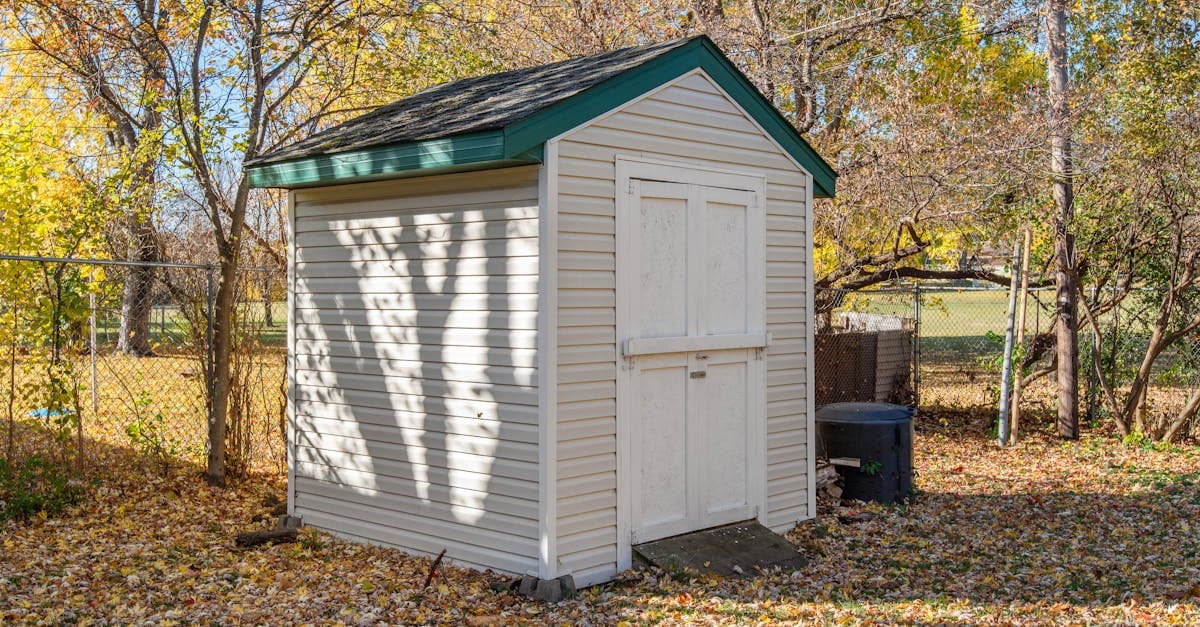
Insurance companies set your other structures coverage at a default percentage of your dwelling limit — typically 10 percent — using a one-size-fits-all formula. This automatic calculation does not account for what detached structures you actually have on your property or what they would cost to replace.
Other structures coverage is the extended weather barrier that protects your detached garage, shed, and fence just as thoroughly as the storm shutters protect your main home. It pays to repair or replace every qualifying detached structure on your property after a covered loss. But the coverage is only as strong as the limit you carry, and the default formula may leave you significantly underinsured if your property has substantial detached structures.
As a consumer, your first step should be inventorying every detached structure on your property and estimating its replacement cost. Include the detached garage, every shed and storage building, all fencing and gates, gazebos, pergolas, pool houses, workshops, and any other permanent structure that is not attached to your main home. Add up the replacement costs and compare the total to your Coverage B limit.
The informed approach is to treat your other structures coverage as a distinct coverage that requires its own review, separate from your dwelling coverage analysis. Many homeowners who have verified their dwelling coverage limit have never performed the same exercise for their detached structures. This oversight creates a gap that only becomes visible after a covered loss damages structures outside the main home.
What Other Structures Coverage Does Not Cover: Key Exclusions
The claim is worth questioning. Despite its broad scope, other structures coverage has specific exclusions that define the boundaries of protection for your detached structures. Understanding these exclusions helps you identify where supplemental coverage or alternative risk management is needed.
Flood damage: Standard Coverage B does not cover flood damage to detached structures. Rising water, storm surge, and surface water runoff that damages your fence, shed, or detached garage requires a separate flood insurance policy.
Earthquake damage: Structural damage to detached buildings from earthquakes and earth movement is excluded from standard other structures coverage. A separate earthquake policy or endorsement is needed for seismic protection.
Normal wear and tear: Coverage B does not pay for deterioration from age, weathering, or normal use. A fence that rots over time, a shed roof that wears out, or a garage that needs repainting due to sun exposure are maintenance responsibilities, not insurable losses.
Business use exclusion: If a detached structure is used primarily for business purposes — a commercial workshop, a rental unit, or a retail space — standard Coverage B may exclude or limit coverage. Business use typically requires disclosure to your insurer and may need additional endorsements.
Structures on rented land: Coverage B typically applies only to structures on the property where the insured home is located. Structures you own on land you do not own or that is rented separately may not qualify.
Pest and vermin damage: Damage to detached structures from termites, carpenter ants, rodents, and other pests is excluded. Pest prevention for outbuildings is a homeowner maintenance responsibility.
Other Structures Coverage After Storm Damage: The Claims Process
But does this hold up under scrutiny? Storm damage is the most common trigger for Coverage B claims. Wind, hail, fallen trees, and lightning damage detached structures across your property, and understanding the claims process helps you recover efficiently.
Reporting multi-structure damage: When a storm damages multiple detached structures, report all damage under a single claim. One storm is one occurrence, and you pay only one deductible for all storm-related damage to all structures — your detached garage, shed, fence, and any other affected buildings.
Documentation for each structure: Photograph and document damage to every affected detached structure individually. Capture wide-angle shots showing the full extent of damage and close-up photos of specific damage points. This per-structure documentation helps the adjuster assess and estimate repairs for each building.
The adjuster inspection: The insurance adjuster will inspect each damaged detached structure, measure affected areas, note damaged materials, and prepare a combined repair estimate covering all structures. Review the adjuster's scope for each structure to ensure nothing was missed.
Prioritizing repairs: After storm damage to multiple structures, prioritize repairs that prevent further damage. Tarp a damaged shed roof to prevent water intrusion. Secure a broken garage door to prevent unauthorized entry. Board openings in damaged structures to protect against additional weather exposure. These emergency repairs are covered under your policy.
Contractor coordination: A single contractor can often handle repairs to multiple detached structures, streamlining the rebuilding process. Get bids that itemize the work for each structure separately so you can compare them to the adjuster's estimate on a per-structure basis.
Supplemental claims for hidden damage: Contractors may discover additional damage during repairs that was not visible during the initial inspection — rot behind damaged siding, structural weakness in a garage frame, or foundation shifting under a collapsed shed. File supplemental claims for any newly discovered damage.
What Other Structures Coverage Does Not Cover: Key Exclusions
The claim is worth questioning. Despite its broad scope, other structures coverage has specific exclusions that define the boundaries of protection for your detached structures. Understanding these exclusions helps you identify where supplemental coverage or alternative risk management is needed.
Flood damage: Standard Coverage B does not cover flood damage to detached structures. Rising water, storm surge, and surface water runoff that damages your fence, shed, or detached garage requires a separate flood insurance policy.
Earthquake damage: Structural damage to detached buildings from earthquakes and earth movement is excluded from standard other structures coverage. A separate earthquake policy or endorsement is needed for seismic protection.
Normal wear and tear: Coverage B does not pay for deterioration from age, weathering, or normal use. A fence that rots over time, a shed roof that wears out, or a garage that needs repainting due to sun exposure are maintenance responsibilities, not insurable losses.
Business use exclusion: If a detached structure is used primarily for business purposes — a commercial workshop, a rental unit, or a retail space — standard Coverage B may exclude or limit coverage. Business use typically requires disclosure to your insurer and may need additional endorsements.
Structures on rented land: Coverage B typically applies only to structures on the property where the insured home is located. Structures you own on land you do not own or that is rented separately may not qualify.
Pest and vermin damage: Damage to detached structures from termites, carpenter ants, rodents, and other pests is excluded. Pest prevention for outbuildings is a homeowner maintenance responsibility.
Other Structures Coverage After Storm Damage: The Claims Process
But does this hold up under scrutiny? Storm damage is the most common trigger for Coverage B claims. Wind, hail, fallen trees, and lightning damage detached structures across your property, and understanding the claims process helps you recover efficiently.
Reporting multi-structure damage: When a storm damages multiple detached structures, report all damage under a single claim. One storm is one occurrence, and you pay only one deductible for all storm-related damage to all structures — your detached garage, shed, fence, and any other affected buildings.
Documentation for each structure: Photograph and document damage to every affected detached structure individually. Capture wide-angle shots showing the full extent of damage and close-up photos of specific damage points. This per-structure documentation helps the adjuster assess and estimate repairs for each building.
The adjuster inspection: The insurance adjuster will inspect each damaged detached structure, measure affected areas, note damaged materials, and prepare a combined repair estimate covering all structures. Review the adjuster's scope for each structure to ensure nothing was missed.
Prioritizing repairs: After storm damage to multiple structures, prioritize repairs that prevent further damage. Tarp a damaged shed roof to prevent water intrusion. Secure a broken garage door to prevent unauthorized entry. Board openings in damaged structures to protect against additional weather exposure. These emergency repairs are covered under your policy.
Contractor coordination: A single contractor can often handle repairs to multiple detached structures, streamlining the rebuilding process. Get bids that itemize the work for each structure separately so you can compare them to the adjuster's estimate on a per-structure basis.
Supplemental claims for hidden damage: Contractors may discover additional damage during repairs that was not visible during the initial inspection — rot behind damaged siding, structural weakness in a garage frame, or foundation shifting under a collapsed shed. File supplemental claims for any newly discovered damage.
Fallen Tree Damage to Detached Structures and Debris Removal
The claim is worth questioning. Fallen trees are one of the most common causes of damage to detached structures. Understanding how Coverage B handles tree damage and debris removal ensures you get the full benefit of your other structures coverage after a tree-related incident.
Tree falls on a detached structure: When a tree falls on your detached garage, shed, fence, or other structure, Coverage B pays for the structural repair or replacement. The coverage applies whether the tree was on your property or your neighbor's property — what matters is that the tree damaged your structure.
Tree removal from the structure: Most homeowners policies cover the cost of removing a fallen tree from a damaged structure as part of the Coverage B claim. If a tree is lying on your collapsed shed, the cost of cutting and removing the tree to access the damaged structure is included.
Tree removal from the yard: Removing a fallen tree from your yard — when it has not damaged any structure — is handled differently. Many policies provide limited coverage for tree removal even when no structural damage occurred, typically $500 to $1,000 per tree up to a policy aggregate.
Multiple structures damaged by one tree: A single large tree can damage multiple detached structures — falling across a fence line and hitting a shed, for example. All damage from the same fallen tree is one occurrence with one deductible, regardless of how many structures are affected.
Preventive tree removal: Coverage B does not pay for removing healthy or hazardous trees before they fall. Preventive tree maintenance is a homeowner responsibility. However, maintaining your trees and removing dead or hazardous ones reduces the risk of a future Coverage B claim.
Neighbor's tree on your structure: If your neighbor's tree falls on your detached structure, your Coverage B pays for your structural damage. You do not need to pursue your neighbor's insurance — your policy covers damage to your structures regardless of the tree's origin.
Fence Coverage and Small Structures: Common Coverage B Claims
The claim is worth questioning. Fences, mailboxes, retaining walls, and other small structures generate some of the most frequent Coverage B claims. While individual claim amounts are often modest, understanding how these claims work helps you navigate the process efficiently.
Fence replacement costs: A 200-foot wood privacy fence costs $4,000 to $10,000 to replace depending on materials, height, and your local market. Vinyl fencing of the same length costs $5,000 to $12,000. Wrought iron or aluminum fencing ranges from $6,000 to $15,000. Chain link is the most affordable at $2,000 to $5,000.
Common fence damage scenarios: Fallen trees and branches are the leading cause of fence claims. High winds can push over entire fence sections, particularly wooden fences with deteriorated posts. Vehicle impact — a car leaving the road and hitting your fence — is also a covered peril.
The deductible problem with small claims: On a fence claim of $3,000 with a $2,500 deductible, Coverage B pays only $500. For small structure claims, the deductible can consume a large portion of the payout, making it worth considering whether filing a claim makes financial sense.
Retaining walls: Permanent retaining walls on your property may qualify for Coverage B when damaged by covered perils. Collapse from erosion or earth pressure may be excluded as earth movement, but damage from fallen trees or vehicle impact is typically covered.
Mailboxes and light posts: Permanent mailbox structures, decorative lamp posts, and yard fixtures are covered under Coverage B when damaged by covered perils. Vehicle impact is the most common cause of mailbox and light post claims.
Matching and replacement challenges: When a storm destroys one section of fence, matching the replacement panels to existing sections can be difficult. Your Coverage B claim should cover the cost of replacement materials that reasonably match the original, though matching is not always guaranteed.
Quick Takeaways on Other Structures Coverage
If you remember nothing else from this guide, remember these five points:
One: Coverage B protects detached structures on your property — garages, sheds, fences, gazebos, and other buildings not attached to your main home. It is separate from dwelling coverage.
Two: Your Coverage B limit is typically 10 percent of your dwelling coverage. For a $400,000 dwelling policy, that is $40,000 for all detached structures combined.
Three: Many homeowners have detached structures worth more than their Coverage B limit. Inventory every structure, estimate replacement costs, and increase your limit if needed.
Four: The same covered perils apply — wind, fire, hail, lightning, falling objects, and vehicle impact. Flood and earthquake are excluded, just like dwelling coverage.
Five: Business and rental use of detached structures can trigger exclusions. Disclose all uses to your insurer and ask about needed endorsements.
These principles ensure your detached structures are adequately protected under Coverage B.
Continue reading

How to Read an Insurance Quote Like a Professional
Insurance quotes contain dense information that most consumers skim past. Learning to read every section of a quote — from coverage summaries to endorsement schedules — reveals the true quality of each offer.

Policy Checkup After Buying a Home: Getting Your Coverage Right
Homeownership brings dwelling coverage, personal property protection, liability limits, and flood risk questions. A thorough policy checkup when you buy a home prevents costly coverage mistakes.

Why Insurance Companies Oppose Assignment of Benefits Agreements
Insurers argue that AOB drives up claim costs, encourages litigation, and inflates repair bills. Understanding the insurer perspective helps you evaluate whether an AOB serves your interests.