Burst Pipe vs Flood: Which Water Damage Does Your Homeowners Policy Cover?

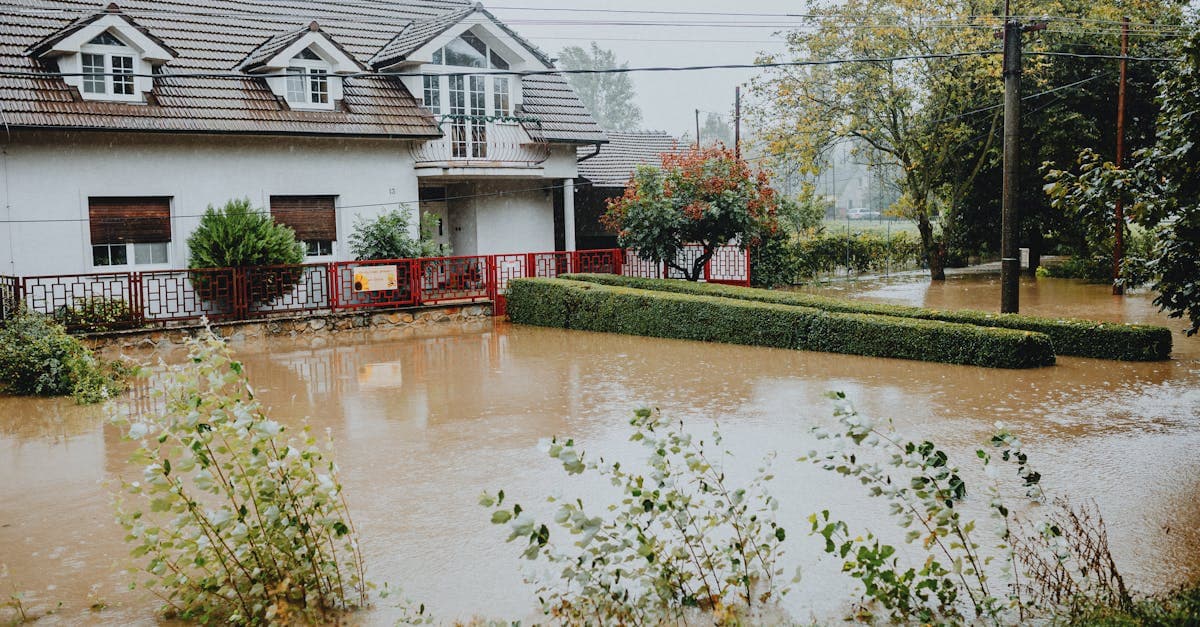
As a homeowner, you deserve to know exactly what your insurance covers and what it does not. The single most significant exclusion in your homeowners policy — and the one most likely to result in devastating uninsured losses — is the flood exclusion. Understanding it is the storm shelter built before the sky darkens, giving homeowners a place of financial safety when the floodwaters that their standard policy ignores begin to rise.
Your homeowners insurance covers a wide range of perils: fire, wind, hail, theft, vandalism, and certain types of water damage from internal sources like burst pipes. But it draws a hard line at flood damage. Rising water from any external source — rivers, storm surge, surface runoff, overwhelmed drains, or saturated ground — is excluded without exception.
This exclusion means your homeowners policy provides zero protection against the most common natural disaster in the United States. Flooding causes more damage to American homes than any other natural event, yet the policy most homeowners rely on for protection explicitly refuses to cover it.
The good news is that flood coverage is available through the NFIP and private insurers. NFIP policies offer up to $250,000 in building coverage and $100,000 in contents coverage. Private flood policies may offer higher limits, broader coverage, and competitive pricing. For homeowners in low-risk zones, Preferred Risk Policies provide comprehensive flood protection at annual premiums that are surprisingly modest.
The informed consumer does not discover the flood exclusion after a flood. They learn about it proactively, evaluate their flood risk, and make a deliberate decision about separate flood coverage based on complete information.
Covered Water Damage vs Excluded Flood Damage: Understanding the Distinction
The claim is worth questioning. The difference between water damage your homeowners policy covers and flood damage it excludes is the most important coverage distinction most homeowners do not understand until it costs them tens of thousands of dollars.
Covered: burst pipes and plumbing failures: When a water supply pipe bursts inside your walls, a water heater ruptures, or a plumbing joint fails, the resulting water damage is covered by your homeowners insurance. These are sudden, accidental internal events that your policy is designed to handle.
Covered: appliance overflows and malfunctions: Your washing machine overflows, your dishwasher leaks, or your refrigerator ice maker line breaks — these accidental internal water events are covered under your homeowners policy.
Covered: wind-driven rain through storm damage: If wind damages your roof or breaks a window and rain enters through the opening, the water damage may be covered as part of the wind damage claim. The key is that the opening was created by a covered peril — wind.
Excluded: rising water from any source: Water that rises from the ground — whether from a swollen river, storm surge, surface runoff, or saturated soil — and enters your home is flood damage. Your homeowners policy excludes this regardless of the water's origin.
Excluded: surface runoff from heavy rain: When heavy rain creates water flow across the ground surface and that water enters your home through doors, windows, or foundation openings, the damage is excluded as flood damage even if no nearby body of water overflowed.
The simultaneous event challenge: During severe storms, covered water damage and excluded flood damage often occur at the same time. Wind damages your roof and rain enters from above while floodwater enters from below. Your homeowners policy covers the wind and rain damage but not the flood damage. Separating the two becomes a complex claims adjustment process.
Why the distinction matters: This distinction determines whether your insurer pays $35,000 for your damage or you pay $35,000 out of pocket. The same amount of water, the same damage to your home, but a completely different financial outcome based on where the water came from.
Sewer Backup Coverage vs Flood Insurance: Different Policies for Different Water
But does this hold up under scrutiny? Sewer backup and flooding are different events with different insurance solutions. Understanding the distinction prevents you from assuming one coverage protects against both — and from discovering the gap after damage occurs.
Sewer backup defined: Sewer backup occurs when water or sewage returns through your home's sewer line, floor drains, or sump pump system. This happens when municipal sewers are overwhelmed, tree roots block sewer lines, or sump pump power fails during a storm.
Flood damage defined: Flood damage results from external water entering your home from outside — rising surface water, river overflow, storm surge, or overland flow. The water comes from outside and enters through doors, windows, walls, or foundations.
Coverage source for sewer backup: Sewer backup coverage is an endorsement added to your homeowners insurance policy for an additional premium, typically $40 to $160 per year. It is not included in standard homeowners policies by default — you must specifically request and purchase it.
Coverage source for flood damage: Flood damage requires a separate flood insurance policy through the NFIP or a private flood insurer. It cannot be added to your homeowners policy in most cases and must be purchased as a standalone product.
When both happen simultaneously: During heavy storms, your basement can flood from two directions at once. Sewer water backs up through your floor drain while surface floodwater enters through window wells. Without both coverages, some portion of the damage is uninsured.
Coverage limits comparison: Sewer backup endorsements typically offer $5,000 to $25,000 in coverage. NFIP flood policies offer up to $250,000 in building coverage. The scope of protection is very different, reflecting the typically different scale of damage from each source.
The recommended approach: For comprehensive water damage protection, carry homeowners insurance with a sewer backup endorsement plus a separate flood insurance policy. Together, these coverages address water entering your home from internal plumbing failures, sewer system backup, and external flooding.
Covered Water Damage vs Excluded Flood Damage: Understanding the Distinction
The claim is worth questioning. The difference between water damage your homeowners policy covers and flood damage it excludes is the most important coverage distinction most homeowners do not understand until it costs them tens of thousands of dollars.
Covered: burst pipes and plumbing failures: When a water supply pipe bursts inside your walls, a water heater ruptures, or a plumbing joint fails, the resulting water damage is covered by your homeowners insurance. These are sudden, accidental internal events that your policy is designed to handle.
Covered: appliance overflows and malfunctions: Your washing machine overflows, your dishwasher leaks, or your refrigerator ice maker line breaks — these accidental internal water events are covered under your homeowners policy.
Covered: wind-driven rain through storm damage: If wind damages your roof or breaks a window and rain enters through the opening, the water damage may be covered as part of the wind damage claim. The key is that the opening was created by a covered peril — wind.
Excluded: rising water from any source: Water that rises from the ground — whether from a swollen river, storm surge, surface runoff, or saturated soil — and enters your home is flood damage. Your homeowners policy excludes this regardless of the water's origin.
Excluded: surface runoff from heavy rain: When heavy rain creates water flow across the ground surface and that water enters your home through doors, windows, or foundation openings, the damage is excluded as flood damage even if no nearby body of water overflowed.
The simultaneous event challenge: During severe storms, covered water damage and excluded flood damage often occur at the same time. Wind damages your roof and rain enters from above while floodwater enters from below. Your homeowners policy covers the wind and rain damage but not the flood damage. Separating the two becomes a complex claims adjustment process.
Why the distinction matters: This distinction determines whether your insurer pays $35,000 for your damage or you pay $35,000 out of pocket. The same amount of water, the same damage to your home, but a completely different financial outcome based on where the water came from.
Sewer Backup Coverage vs Flood Insurance: Different Policies for Different Water
But does this hold up under scrutiny? Sewer backup and flooding are different events with different insurance solutions. Understanding the distinction prevents you from assuming one coverage protects against both — and from discovering the gap after damage occurs.
Sewer backup defined: Sewer backup occurs when water or sewage returns through your home's sewer line, floor drains, or sump pump system. This happens when municipal sewers are overwhelmed, tree roots block sewer lines, or sump pump power fails during a storm.
Flood damage defined: Flood damage results from external water entering your home from outside — rising surface water, river overflow, storm surge, or overland flow. The water comes from outside and enters through doors, windows, walls, or foundations.
Coverage source for sewer backup: Sewer backup coverage is an endorsement added to your homeowners insurance policy for an additional premium, typically $40 to $160 per year. It is not included in standard homeowners policies by default — you must specifically request and purchase it.
Coverage source for flood damage: Flood damage requires a separate flood insurance policy through the NFIP or a private flood insurer. It cannot be added to your homeowners policy in most cases and must be purchased as a standalone product.
When both happen simultaneously: During heavy storms, your basement can flood from two directions at once. Sewer water backs up through your floor drain while surface floodwater enters through window wells. Without both coverages, some portion of the damage is uninsured.
Coverage limits comparison: Sewer backup endorsements typically offer $5,000 to $25,000 in coverage. NFIP flood policies offer up to $250,000 in building coverage. The scope of protection is very different, reflecting the typically different scale of damage from each source.
The recommended approach: For comprehensive water damage protection, carry homeowners insurance with a sewer backup endorsement plus a separate flood insurance policy. Together, these coverages address water entering your home from internal plumbing failures, sewer system backup, and external flooding.
Climate Change and the Growing Importance of Flood Insurance
The claim is worth questioning. Climate change is increasing flood risk across the United States in ways that make the homeowners insurance flood exclusion more consequential than ever — because the downpour that exposes every gap in the roof of your insurance coverage, letting tens of thousands in flood losses pour straight through.
More intense rainfall: Warmer temperatures increase atmospheric moisture, leading to heavier rainfall events. Extreme precipitation events are becoming more frequent and more intense, delivering more water in shorter periods and overwhelming drainage systems designed for historical conditions.
Rising sea levels: Sea level rise increases the frequency and severity of coastal flooding, storm surge, and tidal inundation. Coastal communities face more frequent flood events even without major storms as baseline water levels continue to climb.
Shifting storm patterns: Historical storm tracks are changing, bringing heavy precipitation to areas that historically experienced less rainfall. Communities with drainage infrastructure designed for past precipitation patterns are increasingly overwhelmed by storms that exceed design capacity.
Expanding flood risk areas: As rainfall intensifies and sea levels rise, flood risk is expanding beyond traditional FEMA-designated zones. Areas that have never flooded are experiencing their first flood events, and homeowners in these areas typically have no flood insurance.
Outdated flood maps: FEMA flood maps are based heavily on historical data and may not reflect current or future flood risk under changing climate conditions. Many maps have not been updated in over a decade, meaning your zone designation may significantly understate your actual exposure.
The forward-looking decision: Purchasing flood insurance based on historical risk alone may not capture your future exposure. Climate trends point toward increasing flood risk in most areas. The homeowners policy flood exclusion means this growing risk falls entirely on uninsured homeowners unless they secure separate flood coverage.
Storm Surge, Coastal Flooding, and Your Homeowners Policy
The claim is worth questioning. Coastal homeowners face a particularly dangerous version of the flood exclusion because their most likely source of catastrophic damage — storm surge from hurricanes and tropical storms — is classified as flood damage and excluded from homeowners coverage.
Storm surge is a flood event: When hurricane winds push ocean water inland, the resulting storm surge is classified as flooding under your homeowners policy. Even though the water arrives because of wind — a covered peril — the damage caused by the rising water itself is excluded as flood damage.
The wind vs surge distinction: After a hurricane, the claims adjustment process must distinguish between wind damage, which homeowners insurance covers, and flood or surge damage, which it does not. Wind can tear off roofs and break windows. Storm surge can inundate entire ground floors. Both happen during the same storm, but different policies cover each.
The coverage gap for coastal homes: A coastal homeowner with only homeowners insurance has coverage for wind damage to the roof and upper floors but zero coverage for storm surge damage to the ground floor and foundation. Since storm surge often causes the majority of hurricane damage, this gap can be enormous.
Flood insurance for storm surge: Both NFIP and private flood insurance policies cover storm surge damage. For coastal homeowners in hurricane-prone areas, flood insurance is essential for protecting against the primary source of catastrophic damage during tropical weather events.
Zone V designations: FEMA designates coastal high-hazard areas as Zone V, which faces the highest flood insurance premiums due to storm surge and wave action risk. Homes in Zone V with federally backed mortgages must carry flood insurance as a condition of the loan.
The comprehensive coastal strategy: Coastal homeowners need both homeowners insurance for wind and a separate flood policy for surge. Some also need windstorm-specific policies in states where standard homeowners policies exclude windstorm in coastal areas. Building a complete coverage portfolio requires understanding which perils each policy addresses.
Quick Takeaways: Homeowners Insurance and Flood Damage
Remember these essential points about homeowners insurance and flood damage:
One: Standard homeowners insurance does not cover flood damage. This exclusion is universal, absolute, and applies in every flood zone with every insurer.
Two: Flood damage includes rising water from any source — rivers, storm surge, surface runoff, mudflow, and overwhelmed drainage. All of these are excluded from your homeowners policy.
Three: Your homeowners policy does cover internal water damage from burst pipes, appliance failures, and accidental overflows. The source of the water determines coverage.
Four: Flood insurance is available through the NFIP and private insurers. NFIP policies offer up to $250,000 in building coverage and $100,000 in contents coverage.
Five: NFIP policies have a 30-day waiting period. Purchase flood insurance proactively — you cannot buy it during a flood warning and expect immediate coverage.
Six: Federal disaster assistance is not a substitute for flood insurance. Grants average about $5,000 and SBA loans must be repaid.
These facts support one clear recommendation: if your home faces any flood risk — and most homes do — contact your insurance agent about separate flood coverage today.
Continue reading

How to Read an Insurance Quote Like a Professional
Insurance quotes contain dense information that most consumers skim past. Learning to read every section of a quote — from coverage summaries to endorsement schedules — reveals the true quality of each offer.

Policy Checkup After Buying a Home: Getting Your Coverage Right
Homeownership brings dwelling coverage, personal property protection, liability limits, and flood risk questions. A thorough policy checkup when you buy a home prevents costly coverage mistakes.

Why Insurance Companies Oppose Assignment of Benefits Agreements
Insurers argue that AOB drives up claim costs, encourages litigation, and inflates repair bills. Understanding the insurer perspective helps you evaluate whether an AOB serves your interests.