Why Your Flood Insurance Will Not Pay for Temporary Housing

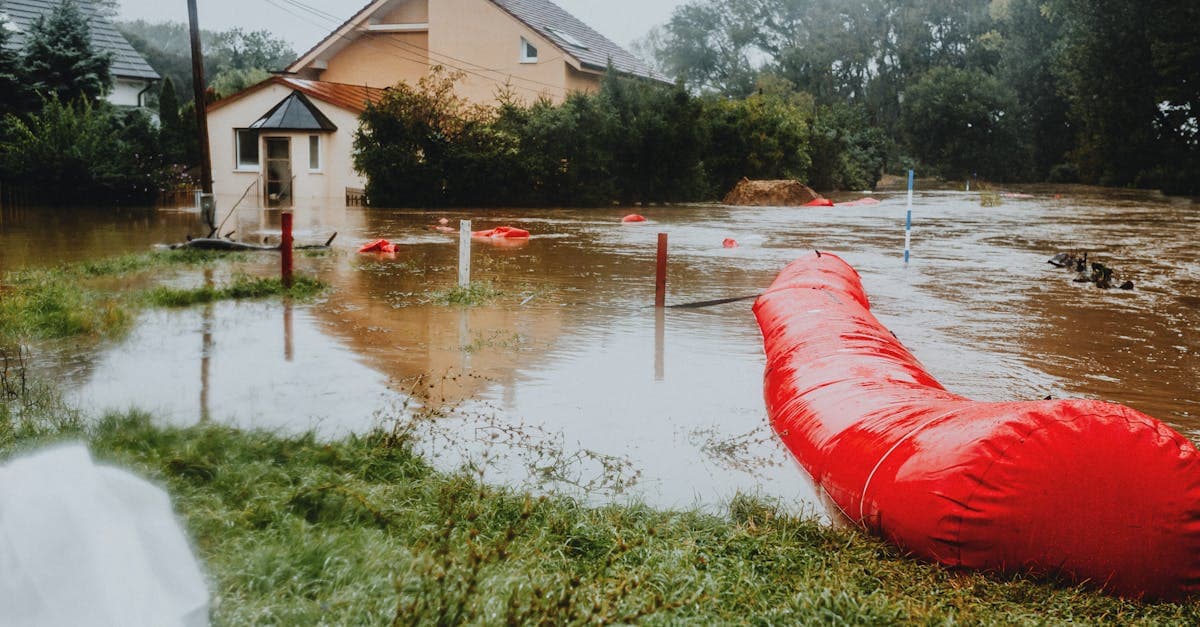
As a flood insurance policyholder — or someone considering purchasing flood coverage — you have the right to understand exactly what your premium dollars protect and what they do not. Flood insurance exclusions directly affect the financial value you receive when you file a claim, and the detailed forecast that tells you not just whether it will rain but exactly which areas will stay dry so you can prepare accordingly.
The NFIP flood insurance policy is a standardized federal product with uniform exclusions that apply to every policyholder. These exclusions are documented in the policy language, but they are rarely explained in plain terms at the point of sale. Most homeowners learn about exclusions only when an adjuster explains why certain damaged items are not covered.
This information asymmetry puts consumers at a disadvantage. When you purchase flood insurance, you are buying protection against a specific set of risks — not all risks associated with flooding. The excluded risks include vehicle damage, temporary housing costs, basement improvements, outdoor property, landscaping, and several categories of personal property.
Understanding exclusions is the detailed forecast that tells you not just whether it will rain but exactly which areas will stay dry so you can prepare accordingly. Armed with this knowledge, you can make informed decisions about supplemental coverage — sewer backup endorsements, comprehensive auto insurance, additional living expense riders on other policies, and adequate emergency savings for uncovered flood costs.
The most empowered flood insurance consumers are those who know their policy's limitations as well as its coverage. Read your policy, ask questions, and plan for the gaps. Your future self will benefit from the preparation.
Additional Living Expenses: The Missing Coverage
But does this hold up under scrutiny? One of the most consequential flood insurance exclusions is the absence of additional living expense coverage — also called loss of use coverage. When flooding makes your home uninhabitable, your flood insurance does not pay for the costs of living elsewhere during repairs.
What is not covered: Hotel rooms, temporary rental housing, restaurant meals, laundry services, increased commuting costs, pet boarding, and all other expenses associated with being displaced from your flooded home are excluded from NFIP flood insurance.
How this differs from homeowners insurance: Standard homeowners insurance policies include additional living expense coverage that pays for temporary housing and increased living costs when a covered peril makes your home uninhabitable. Homeowners are accustomed to this coverage, which makes the absence of ALE in flood insurance particularly surprising.
The financial impact: Flood repair timelines can range from weeks to months depending on damage severity. At $150 to $250 per night for a hotel or $2,000 to $4,000 per month for a temporary rental, displacement costs accumulate rapidly. A three-month repair period could cost $6,000 to $12,000 or more in temporary housing alone.
Adding meals, laundry, and other costs: Beyond housing, displaced families face increased costs for meals, laundry, storage, and daily logistics. These costs can add $1,000 to $3,000 per month beyond normal living expenses, further increasing the financial burden of displacement.
Practical response: Build an emergency fund that specifically accounts for displacement costs. Some private flood insurers offer policies that include additional living expense coverage — compare options when shopping for flood insurance. And maintain a list of temporary housing options in your area so you can act quickly if displacement becomes necessary.
Actual Cash Value vs Replacement Cost: The Depreciation Gap
The claim is worth questioning. How flood insurance values damaged property directly affects your claim payment. The distinction between actual cash value and replacement cost creates a gap that reduces your payout below the cost of replacing damaged items.
Actual cash value defined: Actual cash value is the replacement cost of an item minus depreciation. A ten-year-old furnace that cost $5,000 new and has a twenty-year lifespan might have an actual cash value of $2,500. Flood insurance would pay $2,500 even though replacing the furnace costs $5,000 or more at current prices.
How depreciation is calculated: Depreciation is based on the item's age, expected useful life, and condition before the flood. Older items receive less than newer items of the same type. This calculation applies to building components like roofing, siding, HVAC systems, and appliances as well as personal property.
The replacement cost option: NFIP building coverage can include replacement cost coverage if the building is insured to at least 80 percent of its replacement value. This pays the full cost to replace damaged components without depreciation deductions, subject to policy limits. However, contents coverage under NFIP is paid at actual cash value.
The practical impact: For homes with older building systems and personal property, the depreciation gap can be substantial. A flood that damages a twenty-year-old kitchen with appliances, cabinets, and flooring all nearing the end of their useful life produces an actual cash value payment that covers only a fraction of the cost to install new replacements.
Contents depreciation: Personal property is always paid at actual cash value under NFIP policies. Furniture, electronics, clothing, and other belongings are depreciated based on age and condition. A five-year-old television or a seven-year-old sofa receives significantly less than the current retail cost.
Practical response: Ensure your building coverage meets the 80 percent threshold for replacement cost eligibility. Maintain current home inventories with purchase dates and values. And understand that contents claims will reflect depreciation, building your expectations around actual cash value rather than retail replacement cost.
Vehicle Exclusions: Cars, Trucks, and Self-Propelled Equipment
The claim is worth questioning. One of the most impactful flood insurance exclusions is the complete exclusion of self-propelled vehicles. Your flood policy will not pay a single dollar for vehicle damage caused by the same floodwater that damages your home.
What is excluded: All self-propelled vehicles are excluded from flood insurance coverage. This includes cars, trucks, SUVs, motorcycles, ATVs, riding lawn mowers, golf carts, and any other self-propelled equipment. The exclusion applies whether the vehicle is inside a covered garage or parked in the driveway.
Why vehicles are excluded: The NFIP excluded vehicles because comprehensive auto insurance already covers flood damage to vehicles. Including vehicle coverage in flood insurance would duplicate existing coverage and increase premiums for all policyholders.
The comprehensive auto insurance connection: Vehicle flood damage is covered under the comprehensive portion of your auto insurance policy. If you carry comprehensive coverage, your auto insurer pays for flood damage to your vehicle minus your auto policy deductible. If you carry only liability coverage, you have no vehicle flood protection.
The financial gap: A vehicle damaged by floodwater can cost $5,000 to $20,000 or more to repair, or it may be totaled entirely. If you do not carry comprehensive auto insurance, this cost falls entirely on you — it is not covered by your flood insurance, your homeowners insurance, or any other property policy.
Practical response: Verify that you carry comprehensive coverage on all vehicles that could be exposed to floodwater. If possible, move vehicles to higher ground when flooding threatens. And understand that even with comprehensive auto coverage, you will pay your auto policy deductible separately from your flood insurance deductible.
Detached Structures, Sheds, and Outbuildings
But does this hold up under scrutiny? Your flood insurance policy on your primary dwelling does not automatically extend to detached structures on your property. This exclusion affects garages, sheds, workshops, and other buildings that are separate from the main insured structure.
Detached garages: If your garage is not physically attached to your insured dwelling, it may not be covered under your residential flood policy. A separate flood insurance policy may be needed to cover the detached garage structure and its contents.
Storage sheds and workshops: Garden sheds, workshops, tool storage buildings, and similar outbuildings are separate structures that require their own flood insurance coverage. Tools, equipment, and materials stored in these buildings are also excluded from your main dwelling's contents coverage.
Guest houses and accessory dwelling units: Separate guest houses, in-law suites, and accessory dwelling units on your property are not covered under the main dwelling's flood policy. Each separate building requires its own flood insurance policy for protection.
Pool houses and cabanas: Pool houses, cabanas, and changing rooms that are detached from the main dwelling face the same coverage gap. These structures and their contents are not part of the main dwelling's flood insurance coverage.
Carports and covered areas: Open carports and covered areas that are not enclosed may not qualify as insurable buildings under NFIP guidelines, leaving them without any flood insurance option.
Practical response: Inventory all structures on your property and determine which are attached to and which are detached from your insured dwelling. Obtain separate flood insurance policies for detached structures that contain valuable items or represent significant investment. And recognize that the NFIP insures buildings, not properties — each eligible structure needs its own coverage.
Building a Complete Flood Protection Plan Around Insurance Gaps
The claim is worth questioning. Knowing what flood insurance does not cover is only useful if you develop a plan to address those gaps. Building a complete flood protection strategy means combining insurance, savings, prevention, and preparation — and this is reading the fine print of flood insurance like reading a weather radar — identifying precisely where coverage exists and where dangerous gaps remain.
Emergency fund for exclusions: Calculate the potential cost of excluded flood damage for your specific property. Add estimated costs for temporary housing, vehicle deductibles, basement restoration beyond covered items, landscaping, and outdoor property repair. Build an emergency fund that covers at least the most likely excluded costs.
Supplemental insurance coverage: Add sewer backup coverage to your homeowners policy. Verify comprehensive coverage on all vehicles. Consider valuable items coverage for collections, jewelry, and high-value possessions. Explore private flood insurance for broader coverage features if NFIP exclusions create significant gaps.
Preventive measures: Move valuable items and important documents out of basements. Store currency, precious metals, and irreplaceable papers in safe deposit boxes or waterproof safes at elevation. Elevate mechanical equipment above potential flood levels where possible.
Documentation and inventory: Maintain a current home inventory with photographs, purchase dates, and values for all personal property. Store this inventory in cloud storage accessible from any location. Complete documentation speeds the claims process and ensures maximum recovery for covered items.
Emergency preparedness: Develop a flood action plan that includes protecting excluded items when flooding threatens. Know how to shut off utilities, where to move vehicles, and how to secure outdoor property. Preparation time before flooding can significantly reduce the impact of exclusions.
Annual review: Review your flood insurance coverage, supplemental policies, emergency fund, and prevention measures annually. As your property and belongings change, your gap-filling strategy should adjust to maintain comprehensive protection.
Land Value, Erosion, and Earth Movement Exclusions
But does this hold up under scrutiny? Flood insurance covers buildings and their contents but specifically excludes the land on which they sit. This exclusion extends to erosion damage, land subsidence, and changes to the property's terrain caused by floodwater.
Land value: The value of your land is never covered by flood insurance. If flooding reduces your property value by changing the terrain, depositing contaminated soil, or eroding the lot, the reduction in land value is not an insured loss.
Erosion damage: Gradual erosion caused by repeated flooding or sustained water flow is excluded from flood insurance. Even sudden erosion during a single flood event may face coverage challenges if the insurer determines it constitutes earth movement rather than direct flood damage.
Earth movement: Landslides, sinkholes, and subsidence triggered or worsened by flooding are generally excluded from flood insurance. The distinction between mudflow, which is covered, and earth movement, which is excluded, can determine whether a claim is paid or denied.
Mudflow coverage: NFIP policies do cover mudflow — defined as a river of liquid mud flowing down a slope. This is a narrow coverage that applies to specific conditions rather than a broad coverage for all soil-related flood damage.
Soil contamination: Floodwater can deposit contaminated sediment on your property from upstream sources. The cost of testing and removing contaminated soil is generally not covered under flood insurance, even though the contamination was delivered by the insured flood event.
Practical response: Understand that your property's land is self-insured against flood damage. Maintain erosion control measures including proper grading, vegetation, and drainage. And recognize that properties in erosion-prone areas face land value risks that flood insurance does not address.
Quick Takeaways on Flood Insurance Exclusions
Remember these five critical flood insurance exclusions:
One: Basement coverage is severely limited. NFIP policies exclude finished drywall, flooring, cabinets, and most personal property in basements. Only structural elements and essential equipment are covered below grade.
Two: Vehicles are completely excluded. Cars, trucks, motorcycles, and all self-propelled vehicles are not covered by flood insurance. Comprehensive auto insurance is the only vehicle flood protection.
Three: Additional living expenses are not covered. NFIP flood policies do not pay for temporary housing, meals, or displacement costs when flooding makes your home uninhabitable.
Four: Outdoor property is excluded. Landscaping, fences, pools, outdoor furniture, decks, and property outside the building footprint have no flood insurance coverage.
Five: Currency, precious metals, and valuable papers are excluded. Cash, gold, silver, stock certificates, and important documents destroyed by floodwater are not covered.
Plan for these exclusions now. Build emergency savings, carry supplemental coverage, and protect excluded items before the next flood event reveals these gaps in the most expensive way possible.
Continue reading

How to Read an Insurance Quote Like a Professional
Insurance quotes contain dense information that most consumers skim past. Learning to read every section of a quote — from coverage summaries to endorsement schedules — reveals the true quality of each offer.

Policy Checkup After Buying a Home: Getting Your Coverage Right
Homeownership brings dwelling coverage, personal property protection, liability limits, and flood risk questions. A thorough policy checkup when you buy a home prevents costly coverage mistakes.

Why Insurance Companies Oppose Assignment of Benefits Agreements
Insurers argue that AOB drives up claim costs, encourages litigation, and inflates repair bills. Understanding the insurer perspective helps you evaluate whether an AOB serves your interests.