Flash Floods Do Not Follow FEMA Maps: Why Location Does Not Equal Safety

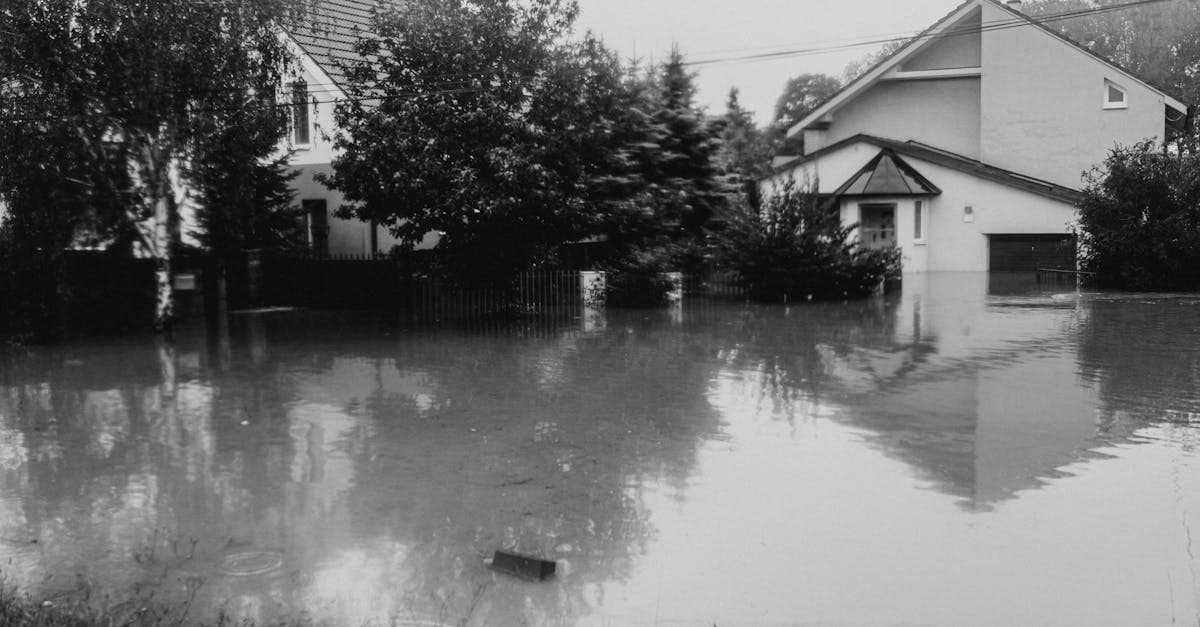
As a homeowner outside a high-risk flood zone, nobody is requiring you to buy flood insurance. Your lender does not mandate it. Your homeowners policy does not include it. And FEMA's flood map may reinforce the impression that your risk is negligible. But that impression can be dangerously wrong.
Flood insurance outside high-risk zones is the umbrella you carry on a partly cloudy day because you know storms can arrive without warning. It fills the gap between what your homeowners insurance covers and what flood damage actually costs. And it does so at premiums that are a fraction of what high-risk zone homeowners pay.
The NFIP Preferred Risk Policy is specifically designed for homes in moderate and low-risk zones. It offers building coverage up to $250,000 and contents coverage up to $100,000 at premium levels that often amount to less than a dollar per day. Private flood insurers may offer competitive rates with additional coverage features and higher limits.
The consumer decision is straightforward: would you pay a few hundred dollars per year to protect against a potential loss of $25,000 to $100,000 or more? Would you accept that protection knowing that more than 25 percent of flood claims come from homes just like yours — homes outside high-risk zones that flooded anyway? The informed consumer weighs the cost of protection against the cost of exposure and makes a decision based on the actual data.
Why FEMA Flood Maps May Not Reflect Your True Flood Risk
The claim is worth questioning. FEMA flood maps are valuable planning tools, but they have significant limitations that homeowners should understand before relying on them as the sole measure of their flood exposure.
Map age and update frequency: Many FEMA flood maps have not been updated in over a decade. Some areas still rely on flood risk assessments from the 1980s and 1990s. The physical landscape has changed dramatically since these maps were created, but the risk designations remain frozen in time.
Development not reflected: New subdivisions, commercial developments, road construction, and infrastructure changes alter water flow patterns and increase impervious surface area. These changes increase flood risk for nearby properties, but FEMA maps may not reflect these developments for years after construction is complete.
Climate change not fully incorporated: FEMA flood maps are based primarily on historical flood data, not future climate projections. As precipitation patterns shift and extreme rainfall events become more frequent, historical data increasingly understates actual flood risk in many areas.
Resolution limitations: FEMA flood maps operate at a relatively coarse resolution that may not capture localized drainage patterns, small elevation changes, or micro-topography that affects individual properties. Your specific lot may have characteristics that increase or decrease flood risk beyond what the map shows.
Riverine focus: Traditional FEMA mapping emphasizes riverine flooding — water that overflows rivers and streams. Pluvial flooding from heavy rainfall overwhelming drainage systems, urban flooding from infrastructure failures, and groundwater flooding are less well captured in standard FEMA mapping.
The practical implication: Treat your FEMA flood zone as one data point, not the final word on your flood risk. Supplement it with local flood history, knowledge of nearby drainage patterns, soil type, and recent development to build a complete picture of your property's exposure.
How to Purchase Flood Insurance Outside a High-Risk Zone
But does this hold up under scrutiny? Buying flood insurance when it is not required by your lender is straightforward. Understanding the purchase process, options, and timing helps you secure coverage efficiently and at the best available rate.
Contact your current insurance agent: The simplest starting point is your existing homeowners insurance agent. Most property insurance agents can write NFIP flood policies, and many also have access to private flood insurance carriers. Your agent can provide quotes from both sources.
Request an NFIP Preferred Risk Policy quote: Ask specifically about the NFIP Preferred Risk Policy, which is designed for properties in moderate and low-risk zones. The agent can determine your eligibility and provide premium quotes for different coverage levels and deductibles.
Get private flood insurance quotes: Request quotes from at least one private flood insurer for comparison. Private policies may offer different coverage structures, higher limits, and potentially competitive pricing. Compare coverage terms, not just premiums.
Select coverage amounts: Choose building coverage based on your home's replacement cost, up to the NFIP maximum of $250,000. Choose contents coverage based on the value of your personal property, up to $100,000. Many low-risk zone homeowners select lower limits based on their likely maximum flood exposure rather than total replacement cost.
Choose your deductible: Higher deductibles reduce your annual premium but increase out-of-pocket costs on a claim. For NFIP policies, building coverage deductibles range from $1,000 to $10,000. Select a deductible you can afford to pay after a flood event.
Plan for the waiting period: NFIP policies have a standard 30-day waiting period before coverage takes effect. Purchase before flood season or weather threats to ensure your policy is active when you need it. The waiting period cannot be waived except in limited circumstances like new mortgage loans.
Review and renew annually: Once your flood policy is in force, review your coverage amounts at each annual renewal. Maintain continuous coverage to avoid re-triggering the 30-day waiting period if you let the policy lapse and repurchase later.
Why FEMA Flood Maps May Not Reflect Your True Flood Risk
The claim is worth questioning. FEMA flood maps are valuable planning tools, but they have significant limitations that homeowners should understand before relying on them as the sole measure of their flood exposure.
Map age and update frequency: Many FEMA flood maps have not been updated in over a decade. Some areas still rely on flood risk assessments from the 1980s and 1990s. The physical landscape has changed dramatically since these maps were created, but the risk designations remain frozen in time.
Development not reflected: New subdivisions, commercial developments, road construction, and infrastructure changes alter water flow patterns and increase impervious surface area. These changes increase flood risk for nearby properties, but FEMA maps may not reflect these developments for years after construction is complete.
Climate change not fully incorporated: FEMA flood maps are based primarily on historical flood data, not future climate projections. As precipitation patterns shift and extreme rainfall events become more frequent, historical data increasingly understates actual flood risk in many areas.
Resolution limitations: FEMA flood maps operate at a relatively coarse resolution that may not capture localized drainage patterns, small elevation changes, or micro-topography that affects individual properties. Your specific lot may have characteristics that increase or decrease flood risk beyond what the map shows.
Riverine focus: Traditional FEMA mapping emphasizes riverine flooding — water that overflows rivers and streams. Pluvial flooding from heavy rainfall overwhelming drainage systems, urban flooding from infrastructure failures, and groundwater flooding are less well captured in standard FEMA mapping.
The practical implication: Treat your FEMA flood zone as one data point, not the final word on your flood risk. Supplement it with local flood history, knowledge of nearby drainage patterns, soil type, and recent development to build a complete picture of your property's exposure.
How to Purchase Flood Insurance Outside a High-Risk Zone
But does this hold up under scrutiny? Buying flood insurance when it is not required by your lender is straightforward. Understanding the purchase process, options, and timing helps you secure coverage efficiently and at the best available rate.
Contact your current insurance agent: The simplest starting point is your existing homeowners insurance agent. Most property insurance agents can write NFIP flood policies, and many also have access to private flood insurance carriers. Your agent can provide quotes from both sources.
Request an NFIP Preferred Risk Policy quote: Ask specifically about the NFIP Preferred Risk Policy, which is designed for properties in moderate and low-risk zones. The agent can determine your eligibility and provide premium quotes for different coverage levels and deductibles.
Get private flood insurance quotes: Request quotes from at least one private flood insurer for comparison. Private policies may offer different coverage structures, higher limits, and potentially competitive pricing. Compare coverage terms, not just premiums.
Select coverage amounts: Choose building coverage based on your home's replacement cost, up to the NFIP maximum of $250,000. Choose contents coverage based on the value of your personal property, up to $100,000. Many low-risk zone homeowners select lower limits based on their likely maximum flood exposure rather than total replacement cost.
Choose your deductible: Higher deductibles reduce your annual premium but increase out-of-pocket costs on a claim. For NFIP policies, building coverage deductibles range from $1,000 to $10,000. Select a deductible you can afford to pay after a flood event.
Plan for the waiting period: NFIP policies have a standard 30-day waiting period before coverage takes effect. Purchase before flood season or weather threats to ensure your policy is active when you need it. The waiting period cannot be waived except in limited circumstances like new mortgage loans.
Review and renew annually: Once your flood policy is in force, review your coverage amounts at each annual renewal. Maintain continuous coverage to avoid re-triggering the 30-day waiting period if you let the policy lapse and repurchase later.
How Nearby Development Changes Your Flood Risk
The claim is worth questioning. One of the most significant and least recognized sources of increasing flood risk comes from development and land use changes near your property. Understanding these impacts helps you recognize when your flood risk may be changing even though your FEMA zone designation has not.
Impervious surface increase: Every new building, parking lot, road, and driveway in your area replaces ground that once absorbed rainfall with surfaces that shed water. This increased runoff must go somewhere, and it often flows toward lower-lying properties in the vicinity.
Drainage pattern changes: Construction projects can alter natural drainage patterns by regrading land, installing pipes that redirect water, or removing vegetation that slowed runoff. These changes can send concentrated water flow toward properties that previously received little runoff.
Retention and detention system reliance: New developments often include retention ponds and detention basins designed to manage the increased runoff. These systems work within their design parameters but can fail or overflow during rainfall events that exceed their capacity.
Upstream development effects: Development upstream from your property — uphill, up-drainage, or up-watershed — has the most direct impact on your flood risk. More impervious surfaces upstream mean more water flowing toward your area during storms, arriving faster and in greater volume.
Construction-phase risks: During active construction, exposed soil, temporary drainage disruptions, and altered grading can create temporary but significant flood risk for nearby properties. Construction sites generate more runoff than vegetated land and can redirect water in unexpected directions.
Monitoring your risk: Pay attention to development activity near your home. When new construction begins upstream or adjacent to your property, consider whether the development could affect drainage patterns. If your area is experiencing rapid development, flood insurance becomes more valuable as the landscape transforms.
Urban Flooding: Why City Homes Face Flood Risk Regardless of Zone
The claim is worth questioning. Urban flooding is one of the most underrecognized flood risks in the United States. It affects homes in cities and suburbs that may be far from any river, creek, or coastline — and it is not well captured by traditional FEMA flood mapping.
Impervious surface runoff: Cities and suburbs are covered with impervious surfaces — roofs, roads, driveways, sidewalks, and parking lots — that prevent rainwater from soaking into the ground. Instead, water flows rapidly across these surfaces and concentrates in low-lying areas, overwhelming drainage systems.
Storm drain capacity limits: Municipal storm drainage systems are designed for specific rainfall intensities based on historical data. When storms exceed these design standards — which is happening more frequently — the systems cannot handle the volume, and water backs up into streets, yards, and homes.
Aging infrastructure: Many cities have storm drainage systems that are decades old and operating below their original capacity due to sediment buildup, root intrusion, and structural deterioration. Aging infrastructure reduces the system's ability to handle even design-level rainfall events.
Combined sewer systems: Older cities may have combined sewer systems that handle both stormwater and sanitary sewage in the same pipes. During heavy rain, these systems overflow, sending a mixture of stormwater and sewage into streets and basements. This creates both flood damage and health hazards.
Localized ponding: Urban topography creates areas where water naturally collects — low spots in intersections, depressions at the base of slopes, areas behind curbs without adequate drainage. Homes near these collection points face flood risk that FEMA maps do not identify.
The coverage gap: Urban flood damage from surface water is excluded from homeowners insurance just like any other flood damage. Sewer backup coverage on a homeowners policy covers water that backs up through drains but does not cover surface water that enters from outside. Flood insurance fills this critical gap.
Quick Takeaways on Flood Insurance Outside High-Risk Zones
If you remember nothing else from this guide, remember these five points:
One: More than 25 percent of flood claims come from outside high-risk zones. Low-risk and moderate-risk zones experience real flooding every year.
Two: Your homeowners insurance does not cover flood damage — period. No exceptions. No workarounds. Flood protection requires a separate flood insurance policy.
Three: NFIP Preferred Risk Policies for low-risk zones can cost as little as a few hundred dollars per year. Private flood insurers may offer competitive alternatives.
Four: FEMA flood maps are often outdated and do not capture all sources of flood risk. Your actual exposure may be higher than your zone designation suggests.
Five: NFIP policies have a 30-day waiting period. Buy flood insurance proactively — you cannot purchase it when a storm is approaching or after flooding begins.
These facts support a clear recommendation: if you own a home outside a high-risk flood zone, get a flood insurance quote and seriously consider purchasing coverage.
Continue reading

How to Read an Insurance Quote Like a Professional
Insurance quotes contain dense information that most consumers skim past. Learning to read every section of a quote — from coverage summaries to endorsement schedules — reveals the true quality of each offer.

Policy Checkup After Buying a Home: Getting Your Coverage Right
Homeownership brings dwelling coverage, personal property protection, liability limits, and flood risk questions. A thorough policy checkup when you buy a home prevents costly coverage mistakes.

Why Insurance Companies Oppose Assignment of Benefits Agreements
Insurers argue that AOB drives up claim costs, encourages litigation, and inflates repair bills. Understanding the insurer perspective helps you evaluate whether an AOB serves your interests.