Flood Insurance for Apartment Renters: A Complete Guide

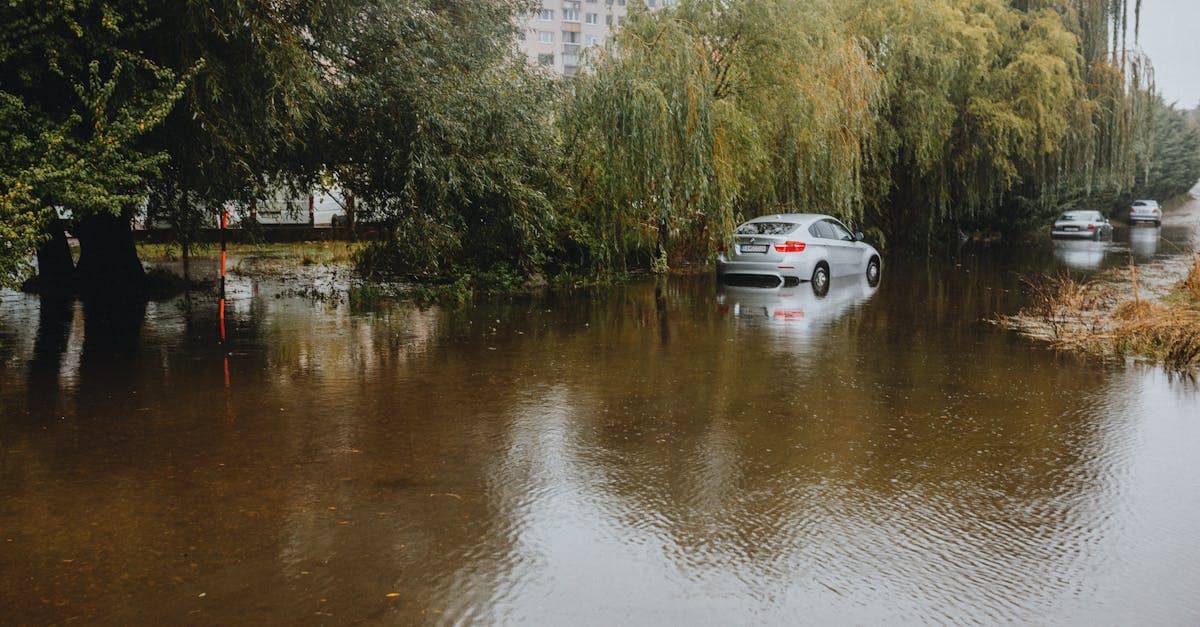
As a renter, you are responsible for protecting your own belongings — and that responsibility extends to perils your renters insurance does not cover. Flood damage is the most significant excluded peril that most renters overlook, and it is the one most likely to destroy everything you own at ground level.
Flood insurance for renters is the umbrella a renter carries specifically for the flood damage that standard renters insurance refuses to cover. It fills the gap between what your renters policy covers and what floodwater actually does to your personal property. And unlike many insurance products, it is genuinely affordable for tenants at every income level.
The NFIP offers contents-only policies with coverage up to $100,000 for personal property. Private flood insurers may offer higher limits and additional benefits. You choose the coverage amount based on the value of your belongings and the deductible based on what you can afford to pay out of pocket after a claim.
The consumer choice is clear: for a few hundred dollars per year or less, you can protect thousands to tens of thousands of dollars in personal property against a peril your renters insurance explicitly excludes. You can purchase coverage regardless of your flood zone, regardless of whether your landlord carries flood insurance, and regardless of whether your lease requires it. The only requirement is that you know the option exists — and now you do.
Renters Insurance vs Flood Insurance: Understanding the Critical Difference
The claim is worth questioning. The distinction between renters insurance and flood insurance is essential for every tenant to understand because confusing the two creates a dangerous protection gap that most renters discover only after a flood.
What renters insurance covers: Standard renters insurance covers personal property damage from named perils including fire, theft, vandalism, windstorm, hail, lightning, and certain types of water damage. The water damage covered under renters insurance is limited to sudden, accidental internal events like burst pipes, overflowing appliances, and accidental discharge from plumbing.
What renters insurance excludes: Every standard renters policy excludes flood damage. Flooding is defined as rising water from external sources — overflow of rivers, storm surge, surface water accumulation, and mudflow. This exclusion applies regardless of your flood zone, the cause of the flooding, or whether your landlord has flood insurance.
What flood insurance covers: A contents-only flood policy covers personal property damaged by flood events that renters insurance excludes. When water rises from outside and enters your home through doors, windows, walls, or foundations, flood insurance pays for damaged belongings up to your coverage limit.
Where coverage gaps exist: Some water events create confusion about which policy applies. Wind-driven rain entering through a broken window may be covered by renters insurance as wind damage. But once water rises from the ground up, flood insurance is the only coverage that responds. During major storms, both perils can occur simultaneously.
Why renters need both: In flood-prone areas, renters need both policies for comprehensive protection. Renters insurance handles theft, fire, and internal water damage. Flood insurance handles rising water. Without both, you have significant gaps in your coverage regardless of which policy you carry.
Cost comparison: Renters insurance typically costs $150 to $300 per year. Contents-only flood insurance adds $100 to $500 per year depending on your zone and coverage. Together, for approximately $300 to $700 annually, renters can have comprehensive personal property protection against virtually all common perils.
Filing a Renters Flood Insurance Claim: What to Expect
But does this hold up under scrutiny? Knowing how the flood insurance claims process works before a flood occurs helps renters respond effectively, document damage properly, and receive fair claim payments for their damaged belongings.
Immediate steps after flooding: As soon as it is safe, photograph and video all flood damage to your belongings before moving or discarding anything. Document the water line height on walls to show how deep the flooding was. Create a list of every damaged item including its description, age, and estimated value.
Contacting your insurer: Report your flood loss to your insurance company as soon as possible. For NFIP policies, call the insurer that issued your policy — not FEMA directly. For private flood policies, contact the issuing company. Early reporting starts the claims process and gets an adjuster assigned quickly.
The adjuster inspection: Your insurer will assign an adjuster to inspect the flood damage. The adjuster will review your damaged belongings, verify that the damage was caused by flooding as defined in your policy, and prepare a damage estimate. Be present during the inspection and point out all damaged items.
Proof of ownership and value: Having receipts, photos, or other documentation of your belongings before the flood strengthens your claim. Pre-flood inventories, purchase receipts, and photographs of your furnished rental unit provide evidence that supports full claim payment.
Claim payment calculation: NFIP contents claims are paid at actual cash value — the replacement cost minus depreciation. Private policies with replacement cost coverage pay the full replacement cost without depreciation. Your deductible is subtracted from the claim payment.
Dispute resolution: If you disagree with your claim payment amount, you have the right to request a review or file an appeal. NFIP policies have a specific appeals process through FEMA. Private flood policies are subject to state insurance department complaint processes. Document your disagreement in writing with supporting evidence.
Renters Insurance vs Flood Insurance: Understanding the Critical Difference
The claim is worth questioning. The distinction between renters insurance and flood insurance is essential for every tenant to understand because confusing the two creates a dangerous protection gap that most renters discover only after a flood.
What renters insurance covers: Standard renters insurance covers personal property damage from named perils including fire, theft, vandalism, windstorm, hail, lightning, and certain types of water damage. The water damage covered under renters insurance is limited to sudden, accidental internal events like burst pipes, overflowing appliances, and accidental discharge from plumbing.
What renters insurance excludes: Every standard renters policy excludes flood damage. Flooding is defined as rising water from external sources — overflow of rivers, storm surge, surface water accumulation, and mudflow. This exclusion applies regardless of your flood zone, the cause of the flooding, or whether your landlord has flood insurance.
What flood insurance covers: A contents-only flood policy covers personal property damaged by flood events that renters insurance excludes. When water rises from outside and enters your home through doors, windows, walls, or foundations, flood insurance pays for damaged belongings up to your coverage limit.
Where coverage gaps exist: Some water events create confusion about which policy applies. Wind-driven rain entering through a broken window may be covered by renters insurance as wind damage. But once water rises from the ground up, flood insurance is the only coverage that responds. During major storms, both perils can occur simultaneously.
Why renters need both: In flood-prone areas, renters need both policies for comprehensive protection. Renters insurance handles theft, fire, and internal water damage. Flood insurance handles rising water. Without both, you have significant gaps in your coverage regardless of which policy you carry.
Cost comparison: Renters insurance typically costs $150 to $300 per year. Contents-only flood insurance adds $100 to $500 per year depending on your zone and coverage. Together, for approximately $300 to $700 annually, renters can have comprehensive personal property protection against virtually all common perils.
Filing a Renters Flood Insurance Claim: What to Expect
But does this hold up under scrutiny? Knowing how the flood insurance claims process works before a flood occurs helps renters respond effectively, document damage properly, and receive fair claim payments for their damaged belongings.
Immediate steps after flooding: As soon as it is safe, photograph and video all flood damage to your belongings before moving or discarding anything. Document the water line height on walls to show how deep the flooding was. Create a list of every damaged item including its description, age, and estimated value.
Contacting your insurer: Report your flood loss to your insurance company as soon as possible. For NFIP policies, call the insurer that issued your policy — not FEMA directly. For private flood policies, contact the issuing company. Early reporting starts the claims process and gets an adjuster assigned quickly.
The adjuster inspection: Your insurer will assign an adjuster to inspect the flood damage. The adjuster will review your damaged belongings, verify that the damage was caused by flooding as defined in your policy, and prepare a damage estimate. Be present during the inspection and point out all damaged items.
Proof of ownership and value: Having receipts, photos, or other documentation of your belongings before the flood strengthens your claim. Pre-flood inventories, purchase receipts, and photographs of your furnished rental unit provide evidence that supports full claim payment.
Claim payment calculation: NFIP contents claims are paid at actual cash value — the replacement cost minus depreciation. Private policies with replacement cost coverage pay the full replacement cost without depreciation. Your deductible is subtracted from the claim payment.
Dispute resolution: If you disagree with your claim payment amount, you have the right to request a review or file an appeal. NFIP policies have a specific appeals process through FEMA. Private flood policies are subject to state insurance department complaint processes. Document your disagreement in writing with supporting evidence.
Federal Disaster Assistance vs Flood Insurance for Renters
The claim is worth questioning. Many renters assume that federal disaster assistance will cover their flood losses. Understanding the reality of disaster assistance reveals why flood insurance is the far superior protection for personal property.
When disaster assistance is available: Federal disaster assistance is only available when the president declares a major disaster for your area. Not every flood event triggers a declaration. Localized flooding that damages your belongings but does not affect a wide area may not qualify for any federal assistance.
What disaster assistance provides renters: For renters, FEMA Individual Assistance may provide temporary rental assistance, essential personal property replacement, and some moving and storage costs. The average FEMA individual assistance payment is approximately $5,000 — a fraction of what most renters lose in a significant flood.
The loan reality: The primary form of federal disaster assistance for property losses is a low-interest loan from the Small Business Administration. These loans must be repaid. A renter who receives a $10,000 SBA disaster loan is adding debt — not receiving a grant — to replace flood-damaged belongings.
Timing and bureaucracy: Disaster assistance applications take weeks to months to process. Inspections, paperwork, and appeals create delays that leave renters waiting for help while they need immediate replacement of essentials like bedding, clothing, and kitchen items.
Flood insurance advantages: Flood insurance provides direct claim payments based on your documented losses. Claims are typically processed faster than disaster assistance applications. Payments are not loans — they do not need to be repaid. And insurance is available after any covered flood event, not just presidentially declared disasters.
The comparison is clear: A contents-only flood policy costing a few hundred dollars per year provides up to $100,000 in coverage, responds to any covered flood event, and pays claims without creating debt. Federal disaster assistance averages $5,000, is only available after presidential declarations, takes months to arrive, and often comes as a loan. Flood insurance is not just better — it is fundamentally different and more reliable protection.
Ground-Floor and Basement Renters: Understanding Your Elevated Risk
The claim is worth questioning. Renters in ground-floor apartments and basement-level units face the highest flood exposure among all tenants. Understanding this elevated risk helps lower-level renters make informed decisions about flood protection.
Why ground-floor units flood first: When rising water reaches a building, ground-floor units are the first affected. Water enters through doors, window wells, and foundation-level openings. Even a few inches of exterior flooding can translate into significant water intrusion at ground level, damaging everything from floor to several feet up the walls.
Basement apartment vulnerabilities: Basement and below-grade apartments face an even higher risk profile. These units are vulnerable to rising groundwater, surface water flowing into window wells and stairwells, and sewer backup through floor drains. The below-grade elevation means water naturally flows toward these spaces during heavy rainfall events.
The cost of ground-level flood damage: When floodwater enters a ground-floor apartment, it damages everything at floor level — area rugs, furniture legs, electronics on low tables, stored items, shoes, and anything in floor-level cabinets. Three inches of water in a fully furnished ground-floor apartment easily creates $10,000 to $25,000 in personal property damage.
NFIP coverage considerations for below-grade: NFIP flood insurance has specific limitations for below-grade spaces. Coverage for personal property in basements is more restricted than for above-grade spaces. Certain items like furniture and electronics stored in basements may have limited or no coverage under NFIP policies.
Private coverage advantages for lower units: Some private flood insurers offer broader coverage for below-grade personal property than the NFIP. If you rent a basement apartment, a private flood policy with fewer below-grade restrictions may provide significantly better protection for your belongings.
Risk reduction for ground-floor renters: Beyond insurance, ground-floor renters can reduce flood exposure by elevating electronics and valuable items off the floor, keeping important documents in waterproof containers, knowing the building's sump pump and drainage systems, and having an evacuation plan for severe weather events.
Quick Takeaways for Renters Considering Flood Insurance
If you remember nothing else, remember these five facts:
One: Renters can absolutely buy flood insurance. Contents-only policies are available through the NFIP and private flood insurers in every flood zone.
Two: Your renters insurance does not cover flood damage. The flood exclusion is absolute. Only a separate flood insurance policy protects your belongings from rising water.
Three: Your landlord's insurance does not cover your belongings. The landlord insures the building. You must insure your own personal property.
Four: Contents-only flood insurance is affordable. Premiums can be as low as $50 to $200 per year in low-risk zones. Even high-risk zone premiums are manageable for contents-only coverage.
Five: There is a 30-day waiting period. Buy before flood season, not after a storm warning. Proactive purchase is the only way to ensure coverage is active when you need it.
These facts support one recommendation: get a flood insurance quote and seriously consider purchasing a contents-only policy for your rental home.
Continue reading

How to Read an Insurance Quote Like a Professional
Insurance quotes contain dense information that most consumers skim past. Learning to read every section of a quote — from coverage summaries to endorsement schedules — reveals the true quality of each offer.

Policy Checkup After Buying a Home: Getting Your Coverage Right
Homeownership brings dwelling coverage, personal property protection, liability limits, and flood risk questions. A thorough policy checkup when you buy a home prevents costly coverage mistakes.

Why Insurance Companies Oppose Assignment of Benefits Agreements
Insurers argue that AOB drives up claim costs, encourages litigation, and inflates repair bills. Understanding the insurer perspective helps you evaluate whether an AOB serves your interests.