NFIP vs Private Flood Insurance: Comparing Your Options

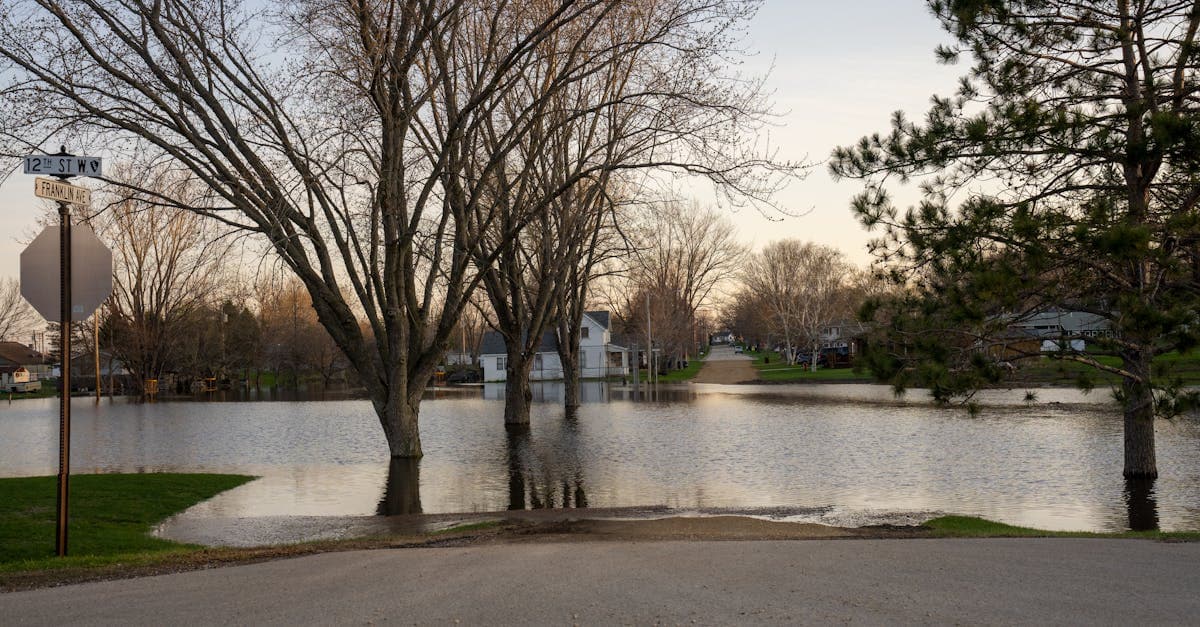
As a consumer, your most important flood insurance decision is whether to purchase coverage at all. Since homeowners insurance excludes flood damage entirely, going without flood insurance means accepting the full financial risk of flood damage — a risk that averages $25,000 per event.
Understanding the value of flood insurance is the flood barrier that stands between rising water and financial devastation by providing dedicated insurance coverage specifically designed to pay for the unique damages that floodwaters cause to homes and belongings. A flood insurance policy provides two types of coverage: building coverage that pays to repair or replace your home's structure, and contents coverage that pays to replace damaged personal property. Under the NFIP, building coverage is available up to $250,000 and contents coverage up to $100,000.
The cost of flood insurance varies widely based on your flood zone, property characteristics, and coverage selections. Properties in low-to-moderate risk zones can often obtain Preferred Risk Policies for $129 to $400 per year. Properties in high-risk zones typically pay $700 to $3,000 or more annually.
When evaluating flood insurance, compare the annual premium against the potential cost of a single flood event. If your premium is $700 and a flood causes $30,000 in damage, the insurance pays for itself forty times over. Even if flooding never occurs during your ownership, the peace of mind and financial protection justify the premium for most homeowners.
Shop both NFIP and private flood insurance options. Private carriers may offer higher coverage limits, fewer exclusions, shorter waiting periods, and competitive pricing. An experienced insurance agent can help you compare options and select the policy that provides the best protection for your specific property and budget.
Flood Zones Explained: Understanding Your Property's Risk Designation
But does this hold up under scrutiny? FEMA designates flood zones across the country that categorize areas by their flood risk level. Your flood zone determines whether flood insurance is mandatory, affects your premium, and indicates the likelihood of flooding at your property.
High-risk zones (Special Flood Hazard Areas): Zones beginning with A or V are high-risk flood areas. Zone AE has a 1 percent annual chance of flooding — commonly called the 100-year floodplain. Zone VE is the same risk level plus coastal wave action. Properties in these zones with federally backed mortgages must carry flood insurance.
Moderate-risk zones: Zone B and Zone X (shaded) indicate moderate flood risk — areas between the 100-year and 500-year floodplains. Flood insurance is not mandatory but is strongly recommended. These areas have a real and documented flood risk that justifies coverage.
Low-risk zones: Zone C and Zone X (unshaded) indicate minimal flood risk. Flood insurance is not required but remains available and affordable. Importantly, over 25 percent of all NFIP claims come from properties in these supposedly low-risk zones.
Coastal high-hazard zones: Zone V areas face the highest coastal flood risk including wave action. Properties in V zones face the highest premiums and the strictest building requirements. Storm surge from hurricanes and tropical storms creates devastating flood risk in these areas.
Finding your flood zone: Enter your address at FEMA's Flood Map Service Center to find your property's flood zone designation. Your insurance agent, mortgage lender, or local planning office can also provide this information. The flood zone directly affects your insurance requirement and premium.
Challenging your flood zone: If you believe your property is incorrectly mapped in a high-risk zone, you can request a Letter of Map Amendment from FEMA. An elevation certificate from a licensed surveyor provides the documentation needed to support your request. A successful LOMA can eliminate your mandatory purchase requirement and significantly reduce your premium.
Flood Mitigation: Reducing Both Your Risk and Your Premium
The claim is worth questioning. Flood mitigation measures serve the dual purpose of reducing your flood damage risk and lowering your flood insurance premium. Investing in mitigation protects both your property and your wallet.
Home elevation: Raising your home above the base flood elevation is the most effective mitigation measure. Elevation can reduce flood insurance premiums by 50 percent or more and dramatically reduces the likelihood of flood damage. The cost ranges from $30,000 to $100,000 depending on the home's size and foundation type.
Flood vents: Installing engineered flood vents in enclosed areas below your living space allows floodwater to flow through rather than build up pressure against walls. Proper flood vents can qualify you for lower premiums by reducing structural damage risk.
Elevated utilities: Moving electrical panels, HVAC systems, water heaters, and washer-dryers above the base flood elevation reduces damage from minor floods and may qualify for premium reductions. This is one of the most cost-effective mitigation measures.
Backflow prevention: Installing backflow valves on sewer and drain lines prevents floodwater from entering your home through the plumbing system. While this does not reduce flood insurance premiums directly, it prevents one of the most common and destructive flood entry points.
Grading and drainage: Improving the grading around your home so water flows away from the foundation rather than toward it reduces both surface water intrusion and foundation damage. Combined with proper gutter systems and drainage, this creates an effective first line of defense.
Community-level mitigation: Your community's participation in the Community Rating System can reduce NFIP premiums for all residents by 5 to 45 percent. CRS rewards communities that implement flood warning systems, floodplain management, and public education programs. Support local mitigation efforts to benefit from these collective premium discounts.
NFIP vs Private Flood Insurance: Comparing Your Coverage Options
The claim is worth questioning. The flood insurance market offers two main sources of coverage: the National Flood Insurance Program managed by FEMA and private flood insurance carriers. Understanding the differences helps you choose the right option for your situation.
NFIP advantages: The NFIP is backed by the federal government, meaning it will pay valid claims regardless of the volume of flood losses in any given year. Coverage and pricing are standardized, so you know exactly what you are getting. NFIP policies are available in any participating community regardless of your property's flood risk level.
NFIP limitations: NFIP coverage is capped at $250,000 for building and $100,000 for contents. The program does not cover additional living expenses if you are displaced. Basement coverage is limited to essential systems only. And NFIP premiums do not always reflect competitive market pricing.
Private flood insurance advantages: Private carriers may offer higher coverage limits — $500,000, $1,000,000, or more for building coverage. Some private policies include additional living expenses, broader basement coverage, and replacement cost coverage for contents. Private carriers may also offer shorter waiting periods and competitive pricing.
Private flood insurance considerations: Private policies are not backed by the federal government, so the carrier's financial stability matters. Coverage terms vary between carriers, requiring careful comparison. Some mortgage lenders may prefer NFIP policies over private alternatives.
Which to choose: For properties valued under $250,000, the NFIP may provide sufficient coverage at competitive rates. For higher-value properties or homeowners seeking broader coverage, private flood insurance often provides better protection. Many homeowners benefit from getting quotes from both sources and comparing coverage details, not just premiums.
The hybrid approach: Some homeowners purchase an NFIP policy for the base coverage and an excess flood policy from a private carrier for amounts above the NFIP limits. This approach combines the reliability of federal backing with higher coverage limits.
Flood Insurance and Basements: Understanding Limited Below-Grade Coverage
But does this hold up under scrutiny? Basement coverage under flood insurance is one of the most misunderstood aspects of the policy. Many homeowners are shocked to learn that their finished basement is largely excluded from flood insurance coverage.
What counts as a basement: For flood insurance purposes, a basement is any area of the building with a floor that is below ground level on all sides. This includes traditional basements, fully below-grade rooms, and sub-grade crawl spaces used as living or storage areas.
Covered items in basements: Flood insurance covers essential systems and equipment in basements: furnaces, boilers, water heaters, heat pumps, air conditioners, sump pumps and their discharge pipes, electrical junction boxes, circuit breaker panels, utility connections, fuel tanks and fuel, stairways, and elevators.
Items not covered in basements: Finished walls, drywall, paneling, flooring, tile, carpet, ceiling finishes, window treatments, and any personal property stored in the basement are not covered by flood insurance. This means a $30,000 finished basement — with drywall, carpet, cabinets, and entertainment equipment — receives virtually no coverage from a flood policy.
The financial impact: Homeowners who invest in finished basements in flood-prone areas face a significant coverage gap. The flood insurance policy will pay to restore essential systems but will not pay for the finished improvements that made the space livable. This can represent tens of thousands of dollars in uninsured losses.
Protecting basement investments: If you have a finished basement and flood risk, consider these strategies: maintain a dedicated savings fund for basement restoration, investigate private flood policies that may offer broader basement coverage, and install water detection systems and sump pumps with battery backup to reduce the likelihood and severity of basement flooding.
Above-grade alternatives: When possible, locate valuable improvements and personal property above grade level. Moving a home office, entertainment center, or guest bedroom to an above-grade floor brings those investments under the full protection of your flood insurance policy.
Elevation Certificates: How Your Home's Height Affects Your Flood Insurance
The claim is worth questioning. An elevation certificate is a critical document that can significantly affect your flood insurance premium by documenting your home's height relative to the expected flood level in your area.
What an elevation certificate documents: An elevation certificate records your home's lowest floor elevation, the base flood elevation for your area, the difference between the two, and other building characteristics that affect flood risk. It must be prepared by a licensed surveyor, engineer, or architect.
How elevation affects your premium: If your lowest floor is above the base flood elevation, your premium decreases — potentially by hundreds or thousands of dollars per year. If your lowest floor is below the BFE, your premium increases proportionally to the depth of exposure.
When you need one: An elevation certificate is required for new construction in flood zones, for obtaining an accurate premium quote in high-risk zones, and for applying for a Letter of Map Amendment. Even when not required, obtaining an elevation certificate often reveals that your home qualifies for a lower premium.
Cost of an elevation certificate: A licensed surveyor typically charges $200 to $500 for an elevation certificate. This one-time cost can generate annual premium savings of $500 or more, making it one of the best investments a homeowner in a flood zone can make.
Elevation certificates and new construction: Homes built after the community's first flood map must be built to or above the base flood elevation. The elevation certificate documents compliance and serves as the basis for accurate flood insurance premium calculation.
Sharing your elevation certificate: Provide your elevation certificate to your insurance agent and keep a copy in your records. If you sell your home, the elevation certificate transfers to the new owner and helps them obtain accurate flood insurance pricing without commissioning a new survey.
How to File a Flood Insurance Claim: The Step-by-Step Process
But does this hold up under scrutiny? Filing a flood insurance claim follows a specific process that differs from standard homeowners insurance claims. Understanding the steps in advance helps you document damage properly and receive your full claim payment.
Step one — document the damage: Before any cleanup begins, photograph and video all flood damage from multiple angles. Document the water line height on walls, damaged structural elements, destroyed personal property, and the extent of water penetration. This documentation is your primary evidence for the claim.
Step two — report the claim promptly: Contact your flood insurance company as soon as possible after the flood recedes. NFIP policies require you to report the claim within 60 days of the flood event. Your insurer assigns a claim number and schedules an adjuster visit.
Step three — separate flood damage from other damage: If the same event caused both flood and wind damage, separate the two for claims purposes. Flood damage goes to your flood insurer. Wind damage goes to your homeowners insurer. Documenting the cause of each type of damage is essential for proper claim processing.
Step four — meet with the adjuster: The flood claims adjuster inspects your property, documents the flood-related damage, and prepares a repair estimate. Be present during the inspection to point out all flood damage including hidden damage behind walls, under flooring, and in mechanical systems.
Step five — submit your proof of loss: NFIP claims require a signed and sworn proof of loss statement within 60 days of the adjuster's report. This document itemizes all flood damage and the claimed amounts. It is a legal requirement for NFIP claims that many homeowners are not aware of until after the flood.
Step six — receive payment and begin repairs: Once your claim is approved, the insurer pays the covered amount minus your deductible. Building claims may be paid in installments as repairs progress. Begin repairs promptly to prevent additional damage from mold, structural deterioration, or weather exposure.
Quick Takeaways on Flood Insurance
If you remember nothing else from this guide, remember these five points:
One: Your homeowners insurance does not cover flood damage. Period. You need a separate flood insurance policy for any flood protection.
Two: Flood insurance is available through the NFIP and private carriers. NFIP covers up to $250,000 building and $100,000 contents. Private carriers may offer higher limits and broader coverage.
Three: There is a 30-day waiting period before new flood insurance takes effect. Buy it now, not when a storm is approaching.
Four: Flood insurance is mandatory in high-risk zones with federally backed mortgages, but over 25 percent of claims come from outside high-risk zones. Consider coverage regardless of your zone.
Five: Average flood damage exceeds $25,000 while average flood insurance premiums are around $700 per year. The math overwhelmingly favors having coverage.
Check your flood zone. Get a quote. Purchase coverage. Protect your home.
Continue reading

How to Read an Insurance Quote Like a Professional
Insurance quotes contain dense information that most consumers skim past. Learning to read every section of a quote — from coverage summaries to endorsement schedules — reveals the true quality of each offer.

Policy Checkup After Buying a Home: Getting Your Coverage Right
Homeownership brings dwelling coverage, personal property protection, liability limits, and flood risk questions. A thorough policy checkup when you buy a home prevents costly coverage mistakes.

Why Insurance Companies Oppose Assignment of Benefits Agreements
Insurers argue that AOB drives up claim costs, encourages litigation, and inflates repair bills. Understanding the insurer perspective helps you evaluate whether an AOB serves your interests.