Frozen Pipes and Insurance Claims: Prevention and Coverage

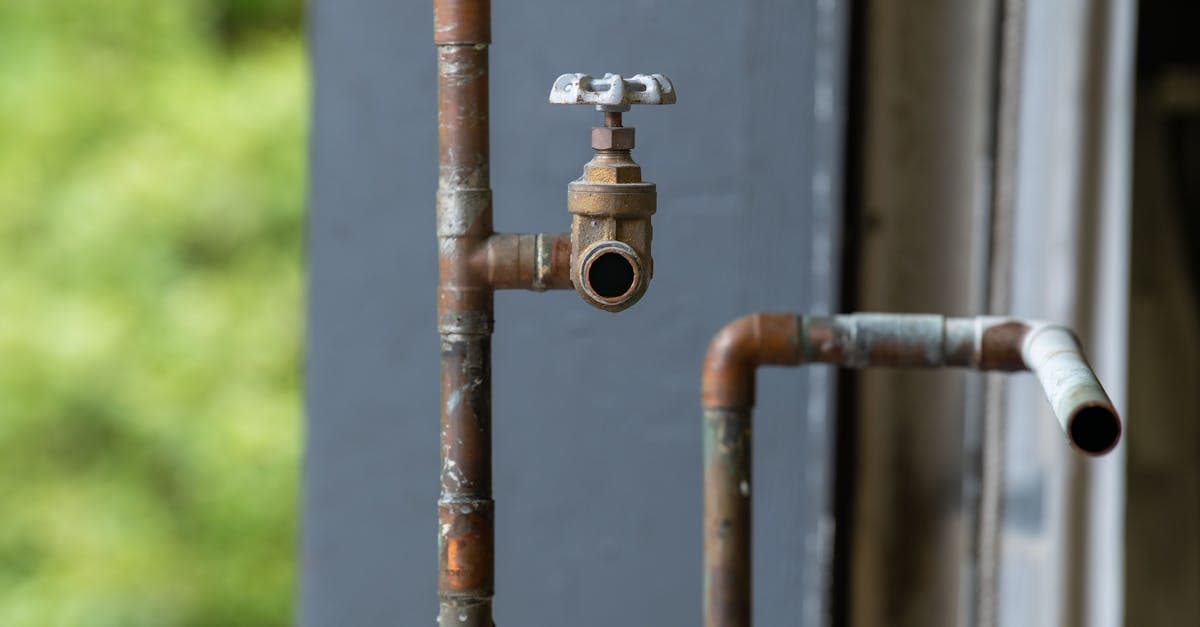
Insurance companies have spent decades refining the plumbing damage provisions in homeowners policies. The result is a coverage framework that protects against some plumbing failures while excluding others — and the distinctions are not always obvious to homeowners.
Your homeowners policy is the umbrella that catches the indoor rainstorm when plumbing fails. It covers the sudden, accidental plumbing failure that floods your home without warning. But it excludes the slow leak that has been dripping behind your wall for months, the sewer backup that floods your basement, and the pipe that finally corrodes through after years of gradual deterioration.
These exclusions exist because insurers determined that certain plumbing losses are more like maintenance responsibilities than insurable events. From their perspective, a homeowner who maintains plumbing properly should not be subsidizing one who defers maintenance until pipes fail. Whether you agree with this reasoning or not, understanding the framework helps you work within it.
The informed consumer approach is to know exactly what your policy covers for plumbing damage, add endorsements where the gaps are unacceptable, and maintain your plumbing system in a way that keeps all potential claims clearly within the sudden and accidental category. This guide provides the knowledge to do all three.
Sudden vs Gradual Plumbing Damage: The Critical Distinction
But does this hold up under scrutiny? The single most important concept in plumbing damage insurance is the difference between sudden and gradual damage. Your homeowners policy is the umbrella that catches the indoor rainstorm when plumbing fails — but only against sudden and accidental events.
Sudden damage is covered: A pipe that bursts overnight, a supply line that splits while you are at work, a water heater tank that ruptures without warning — these are sudden events that your policy covers. The damage happened quickly, without opportunity for the homeowner to prevent or mitigate it in advance.
Gradual damage is excluded: A pipe joint that has been slowly seeping for months, a toilet that has been leaking at the base for weeks, a faucet connection that has been dripping behind the vanity for an extended period — these are gradual failures. Your insurer considers them maintenance responsibilities because a reasonably attentive homeowner would have noticed the signs and arranged repairs before significant damage occurred.
The gray area: Many plumbing failures fall between these clear categories. A pipe that developed a pinhole leak last week but was hidden behind drywall raises questions about when the damage began and whether the homeowner could reasonably have detected it sooner. In these cases, the adjuster's investigation, the plumber's assessment, and your documentation all influence the coverage determination.
How insurers investigate: Adjusters look for evidence of long-term water exposure — water stains, mineral deposits, mold growth, wood rot, and discoloration around the failure point. If these signs suggest the problem existed for weeks or months, the insurer may classify the damage as gradual even if you only discovered it recently.
Frozen Pipe Claims: Coverage Requirements and Prevention
The claim is worth questioning. Frozen pipes that burst are covered under homeowners insurance, but the coverage comes with specific maintenance obligations that homeowners must meet. Failing to take reasonable precautions against freezing can result in claim denial.
Coverage for frozen pipe bursts: When temperatures drop below freezing and pipes burst as a result, the water damage is a covered peril. The sudden expansion of ice inside the pipe causes the rupture, and the subsequent water release when ice thaws creates the damage. Both the ice damage and the water damage are covered under standard policies.
Your maintenance obligation: Your policy requires you to maintain heat in your home sufficient to prevent pipe freezing or to drain the water system and shut off supply if the home will be unheated. This obligation is explicitly stated in most homeowners policies and is a common basis for claim denials.
Vacant home requirements: If your home is vacant during cold weather, the maintenance obligation becomes more stringent. Many policies require either maintaining heat above a specific temperature, draining the plumbing system entirely, or having someone check the property regularly. Failure to meet these requirements during vacancy can void frozen pipe coverage entirely.
High-risk pipe locations: Pipes in exterior walls, unheated garages, crawl spaces, and attics are most vulnerable to freezing. Identifying and insulating these vulnerable pipes is both a preventive measure and evidence of reasonable maintenance. Documenting your winterization efforts creates a record that supports claims if freezing occurs despite your precautions.
Regional considerations: Frozen pipe claims are concentrated in northern states but are not exclusive to cold climates. Southern homes, often built with less insulation and exterior plumbing, can experience devastating frozen pipe damage during unusual cold snaps when pipes are not designed for freezing conditions.
Burst Pipe Coverage Under Homeowners Insurance
The claim is worth questioning. Burst pipes are among the clearest covered perils in homeowners insurance because they represent sudden, accidental events that homeowners cannot prevent through routine maintenance. Understanding exactly what your policy covers after a burst pipe helps you maximize your claim recovery.
What insurance covers: When a pipe bursts, your homeowners policy covers the resulting water damage — saturated drywall that needs replacement, damaged flooring, ruined insulation, stained ceilings, and destroyed personal property. The policy also covers the cost to access the pipe, including tearing out walls or floors to reach the failure point.
What insurance does not cover: The policy does not pay to replace the pipe itself. The burst pipe is considered the cause of loss, and standard policies cover the resulting damage, not the failed component. This means you pay for the plumbing repair while insurance pays for everything the water damaged.
Frozen pipe burst claims: Pipes that burst due to freezing are covered, but your policy requires you to maintain adequate heat in your home or properly winterize the plumbing if the home is vacant. If the insurer determines you failed to take reasonable precautions against freezing, the claim may be denied.
Emergency response matters: The speed of your response to a burst pipe directly affects both the damage extent and your claim. Insurance requires you to mitigate further damage, which means shutting off the water supply immediately. Failing to mitigate can reduce your claim payout because the insurer is not responsible for damage you could have prevented after discovering the problem.
Documentation for burst pipe claims: Photograph the burst point, the water flow pattern, and all areas where water reached. Document the timeline of when you discovered the burst and what actions you took. Keep the failed pipe section if possible — it serves as physical evidence supporting your claim.
Slab Leak Coverage: When Pipes Under Your Foundation Fail
But does this hold up under scrutiny? Slab leaks — plumbing failures beneath concrete foundations — present unique insurance challenges because they are hidden, expensive to detect, and costly to repair. Understanding coverage for slab leaks helps homeowners in slab-constructed homes manage this specific risk.
What is a slab leak: A slab leak occurs when a water supply or drain pipe embedded in or beneath a concrete slab foundation develops a leak. The water may seep upward through the slab, travel laterally to emerge at foundation edges, or pool beneath the slab causing soil erosion and foundation movement.
Coverage for slab leak damage: Homeowners insurance typically covers the water damage caused by a slab leak — damaged flooring, wet drywall, and affected personal property. The policy also generally covers the cost of accessing the leak, including breaking through the slab. However, the pipe repair itself is usually excluded as a maintenance item.
Detection challenges: Slab leaks can operate undetected for weeks or months before symptoms appear. Hot spots on floors, unexpected increases in water bills, sounds of running water when no fixtures are in use, and cracks in flooring are common indicators. Early detection limits both the physical damage and the risk of the insurer classifying the leak as gradual.
Repair methods and coverage: Slab leak repairs may involve breaking through the foundation to access the pipe, rerouting pipes through walls or attic spaces, or relining existing pipes. The access and restoration costs are typically covered, while the plumbing repair method choice may affect what the insurer approves.
Foundation damage from slab leaks: If a slab leak causes foundation damage — settling, cracking, or shifting — coverage becomes more complex. Some policies cover foundation damage resulting from a covered plumbing failure while others exclude it. Review your policy's foundation coverage provisions before a slab leak occurs.
Plumbing Endorsements That Strengthen Your Coverage
The claim is worth questioning. Standard homeowners policies leave several plumbing-related gaps that affordable endorsements can fill. Evaluating these endorsements is forecasting protection before the pipes forecast their own failure because the gaps they fill represent real and common risks.
Sewer and drain backup endorsement: This is the single most important plumbing endorsement for most homeowners. It covers damage from sewer line backup, drain overflow, and sump pump failure — all excluded from standard policies. Annual cost typically ranges from $40 to $100, with coverage limits from $5,000 to $25,000.
Service line coverage: This endorsement covers the repair or replacement of utility lines running from your home to the street — including water supply lines, sewer lines, and drain pipes. When a main water line breaks or a sewer lateral collapses, repair costs can range from $3,000 to $15,000. Service line endorsements typically cost $25 to $50 annually.
Water backup coverage: Some insurers offer broader water backup endorsements that cover damage from any water backing up through plumbing fixtures, including scenarios not covered by standard sewer backup endorsements. These broader endorsements may cost slightly more but provide more comprehensive protection.
Equipment breakdown coverage: This endorsement covers the repair or replacement of home systems and appliances, including water heaters, that fail due to mechanical or electrical breakdown. Since standard policies do not cover the failed equipment itself, this endorsement fills a significant gap.
Extended replacement cost: While not plumbing-specific, extended replacement cost coverage pays up to 125 percent or more of your dwelling coverage limit for repairs. Severe plumbing damage that requires extensive restoration can approach or exceed your dwelling coverage limit, making this endorsement valuable for comprehensive plumbing damage protection.
Hidden Plumbing Leaks: When Insurance Covers the Unseen
But does this hold up under scrutiny? Some of the most contentious plumbing damage claims involve leaks hidden behind walls, beneath floors, or under foundations. These hidden leaks present a coverage challenge because the damage may be extensive by the time it is discovered, raising questions about whether the damage was sudden or gradual.
The discovery principle: Many insurance policies include language that treats the date of discovery as relevant to the claim timeline. If a pipe behind a wall has been leaking for two weeks but you had no reasonable way to know, the discovery date — when you first noticed water stains or damage — may be treated as the loss date for claim purposes.
Signs that undermine hidden leak claims: If the adjuster finds evidence that the leak had been producing visible signs for an extended period — persistent musty odors, recurring water stains you painted over, warped flooring you ignored — the insurer may argue you should have investigated sooner. Ignoring warning signs weakens your claim for hidden leak damage.
Professional leak detection: If you suspect a hidden leak, hiring a professional leak detection service creates documentation that you acted promptly once you had reason to suspect a problem. This proactive step strengthens your insurance claim by demonstrating responsible homeownership.
Slab leaks as hidden damage: Pipes beneath concrete foundations can leak for extended periods before symptoms appear. Water may travel significant distances under the slab before surfacing, making the leak location and the damage location quite different. Slab leak claims often require specialized detection equipment and can involve significant foundation repair costs.
Testing and tear-out coverage: Most policies cover the reasonable cost of tearing out walls, floors, or foundations to access and diagnose a hidden leak. This tear-out coverage applies even if the plumbing repair itself is not covered, because the investigation and access are necessary to assess and repair the covered water damage.
Quick Takeaways on Plumbing Damage Insurance
If you remember nothing else from this guide, remember these five points:
One: Homeowners insurance covers sudden plumbing damage but excludes gradual leaks and deterioration. The timing and nature of the failure determine coverage.
Two: Insurance covers the damage water causes, not the cost of repairing the plumbing itself. The burst pipe is your expense; the flooded living room is the insurer's.
Three: Sewer backup is excluded from standard policies. Add the endorsement — it is affordable and covers a common and costly risk.
Four: Your duty to mitigate is both a contractual obligation and a practical necessity. Shut off the water, document the damage, and begin drying immediately.
Five: Documentation quality directly affects your claim outcome. Photograph everything before cleanup, get professional assessments, and keep all receipts.
These principles help you navigate any plumbing damage situation with confidence and maximize your insurance recovery.
Continue reading

How to Read an Insurance Quote Like a Professional
Insurance quotes contain dense information that most consumers skim past. Learning to read every section of a quote — from coverage summaries to endorsement schedules — reveals the true quality of each offer.
Policy Checkup After Buying a Home: Getting Your Coverage Right
Homeownership brings dwelling coverage, personal property protection, liability limits, and flood risk questions. A thorough policy checkup when you buy a home prevents costly coverage mistakes.
Why Insurance Companies Oppose Assignment of Benefits Agreements
Insurers argue that AOB drives up claim costs, encourages litigation, and inflates repair bills. Understanding the insurer perspective helps you evaluate whether an AOB serves your interests.