Wind-Driven Rain and Roof Leaks: Understanding Your Coverage

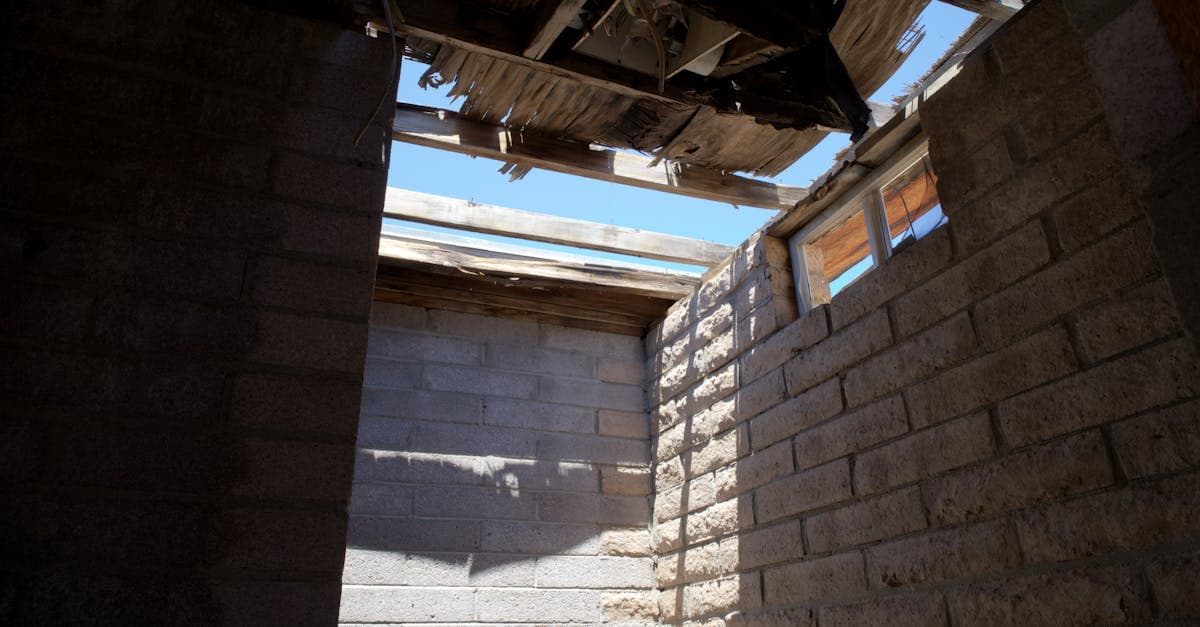
Your homeowners insurance premium includes a significant component for roof coverage, yet when a roof leak actually occurs, many homeowners discover that the protection they paid for comes with conditions, limitations, and exclusion strategies they never expected. As a consumer, you deserve to understand exactly what you are buying when it comes to roof leak coverage. Your policy is the storm barrier that stands between your household finances and the relentless downpour that follows a compromised roof, but you need to know its boundaries.
Insurance companies have powerful financial incentives to classify roof leaks as maintenance-related rather than storm-related. Maintenance exclusions cost the insurer nothing, while storm damage claims can cost tens of thousands. This incentive creates an adversarial dynamic where homeowners must advocate for their own claims with knowledge and documentation — not just trust that the process will treat them fairly.
The most informed consumers take several proactive steps. They have their roof professionally inspected every two to three years and keep the reports on file. They photograph their roof annually to establish a baseline condition. They understand whether their policy pays replacement cost or actual cash value for roof damage. And they know their deductible — including any percentage-based wind or hail deductible — so they can calculate whether filing a claim makes financial sense.
These steps are not paranoid — they are practical responses to a coverage category where disputes are common and documentation often determines the outcome. The consumer who files a roof leak claim with maintenance records, condition photographs, and a clear understanding of their policy terms is the consumer who receives fair treatment. This guide equips you with every piece of knowledge you need to be that consumer, from understanding covered perils to negotiating with adjusters to appealing denied or underpaid claims.
Hidden Roof Leaks: Discovery Timelines and Insurance Implications
But does this hold up under scrutiny? Roof leaks do not always announce themselves. Water travels along rafters, pools in insulation, and seeps through surfaces for weeks before visible signs appear. Delayed discovery creates important insurance implications.
Discovery timing matters: Most homeowners policies require you to report damage within a reasonable time after discovery. The clock starts when you discover the leak, not when the leak actually began. However, if your insurer determines the leak has been active for months and you should have noticed it sooner, they may argue you failed in your duty to maintain the property.
Evidence of long-standing leaks: Insurance adjusters look for signs that indicate a leak has been active for an extended period. Multiple layers of water staining on ceilings, mold growth in wall cavities, rotted wood indicating prolonged moisture exposure, and stained insulation all suggest a leak that predates any recent storm event and shift the assessment toward excluded deterioration.
The sudden and accidental requirement: Covered roof leaks must be sudden and accidental. A leak that has been slowly worsening for months does not meet this standard, even if the homeowner was genuinely unaware of it. The insurer evaluates the leak's actual history, not just the homeowner's discovery date, when determining coverage eligibility.
Protecting yourself with inspections: Regular attic inspections — looking for water stains on rafters, damp insulation, and moisture on the underside of roof decking — can catch hidden leaks before they become long-standing problems. Early discovery strengthens your claim by demonstrating that the leak is recent rather than a chronic condition.
Professional moisture detection: Infrared cameras and moisture meters can detect hidden water behind walls and in ceiling spaces that visual inspection cannot reveal. After any suspected roof damage, professional moisture detection documents the full extent of water intrusion and provides evidence that supports a comprehensive insurance claim.
Interior Water Damage From Roof Leaks: What Your Policy Pays
The claim is worth questioning. When a covered roof leak allows water inside, multiple coverage sections activate. Understanding each helps you document thoroughly and maximize recovery.
Dwelling coverage for structural damage: Water from a roof leak that damages ceilings, walls, flooring, insulation, and drywall is covered under your dwelling section. This includes the cost of tearing out water-damaged materials, professional drying, and rebuilding or replacing all damaged structural elements to pre-loss condition.
Personal property coverage: Belongings damaged by water from a covered roof leak — furniture, electronics, clothing, books, and other items — are covered under your personal property section. Replacement cost pays for new equivalents while actual cash value deducts depreciation from the payout amount.
Mold remediation costs: Mold developing from a covered roof leak is generally covered, but most policies cap mold remediation at $5,000 to $25,000. Prompt water extraction and thorough drying within the first 48 hours dramatically reduce mold risk and strengthen your coverage position.
Loss of use coverage: If interior water damage makes your home uninhabitable — saturated flooring, collapsed ceiling sections, or extensive mold — loss of use coverage pays for temporary housing, restaurant meals, and other additional living expenses until repairs are completed.
Documentation requirements: Photograph all interior damage before cleanup begins. Create a detailed inventory of damaged personal property with descriptions, approximate values, and purchase dates. Keep all receipts for temporary repairs, water extraction services, and replacement purchases.
The Maintenance Exclusion: The Most Common Reason for Roof Leak Denials
The claim is worth questioning. The maintenance exclusion is the slow drip that becomes a torrent when homeowners discover their policy excludes the very roof leak flooding their home. This provision states that damage from neglect, wear and tear, or deterioration is not covered. Insurers apply this exclusion to roof leak claims more than any other category.
What constitutes maintenance failure: Allowing shingles to curl without replacement, failing to reseal flashing around chimneys and vents, ignoring moss and algae growth that deteriorates roofing material, and neglecting gutter maintenance all qualify as failures that trigger this exclusion. Even minor deferred repairs can give insurers the evidence they need to deny a claim.
How insurers identify maintenance issues: Adjusters are trained to distinguish between storm damage and deterioration. Granule loss across the entire roof surface suggests aging rather than impact. Curling shingles indicate thermal cycling over years. Rust stains and algae growth show long-term neglect. Pre-existing deterioration evidence can result in full denial or substantial payout reduction.
The documentation defense: Counter maintenance exclusion arguments with records of regular inspections and repairs. Professional reports every two to three years, annual photographs, and maintenance receipts prove you fulfilled your responsibility as a homeowner and defeat the neglect narrative.
Partial denial scenarios: When both storm damage and deterioration contribute to a leak, the insurer may cover only the storm-specific damage. This partial determination often leads to disputes about how much damage each cause produced — disputes where thorough documentation determines the outcome.
Understanding Roof Leak Deductibles: Standard vs Percentage-Based
But does this hold up under scrutiny? Your deductible determines out-of-pocket costs before insurance pays on a roof leak claim. In many states, roof claims carry deductibles significantly higher than standard, making this essential knowledge.
Standard flat deductibles: Most homeowners policies include a flat deductible — typically $1,000 to $2,500 — that applies to all claims including roof leaks. An $8,000 repair with a $1,500 deductible means your insurer pays $6,500. This straightforward calculation makes claim filing decisions relatively simple.
Percentage-based wind and hail deductibles: In hurricane-prone and hail-prone states, policies increasingly use percentage-based deductibles for wind and hail damage. These are calculated as a percentage of your dwelling coverage limit. A two percent wind deductible on a $400,000 home means your out-of-pocket cost is $8,000 before any insurance payment begins.
The filing decision: Percentage-based deductibles fundamentally change the math on whether to file a roof leak claim. A $10,000 repair with an $8,000 deductible produces only $2,000 in insurance payment while adding a claim to your history that could increase premiums. In many cases, handling moderate repairs independently is the wiser financial decision.
State-specific rules: Wind and hail deductible percentages vary by state, with coastal and tornado-prone states having the highest. Florida, Texas, Louisiana, and Oklahoma homeowners routinely face two to five percent deductibles that can make the first $10,000 to $20,000 of roof damage a personal expense rather than an insurance claim.
Choosing strategically: When purchasing or renewing your policy, evaluate deductible options in the context of your roof's age, your location's weather risk, and your ability to cover out-of-pocket costs. A higher deductible lowers your premium but increases your financial exposure when a covered roof leak occurs.
Appealing a Denied or Underpaid Roof Leak Claim
The claim is worth questioning. A denial or low settlement is not the final word. Homeowners who understand the appeal process recover significantly more than those who accept without challenge. Persistence produces better outcomes.
Request the denial in writing: If your claim is denied verbally, request a written explanation citing the specific policy language the insurer relied on. This written denial gives you the exact basis you need to mount an effective appeal. You have the right to a clear, specific explanation under state insurance regulations.
Get an independent inspection: Hire a licensed roofing contractor or structural engineer to inspect the damage independently. Their professional report may contradict the insurer's adjuster findings, particularly regarding the cause of the leak and the full extent of the damage. Independent expert opinions carry significant weight in appeals and negotiations.
File a formal appeal: Submit a written appeal to your insurer's claims department addressing each point in the denial letter. Include your independent inspection report, photographs, maintenance records, weather data from the storm date, and any other evidence supporting your position. Keep copies of everything.
Contact your state insurance department: If your appeal is denied, file a complaint with your state's department of insurance. State regulators can review your claim, investigate the insurer's handling, and intervene when claims are improperly denied. The threat of regulatory review often motivates insurers to reconsider.
Consider legal options: For significant claims, consulting an insurance attorney who handles coverage disputes can be worthwhile. Many work on contingency, collecting fees only if they recover money for you. Attorney involvement signals to the insurer that you are committed to challenging their decision through all available channels.
How Your Roof's Age Affects Insurance Coverage for Leaks
But does this hold up under scrutiny? Your roof's age is one of the most significant factors determining how much your insurer pays for a covered leak. The older the roof, the less you can expect, and some insurers limit or exclude coverage for roofs beyond a certain age.
Replacement cost for newer roofs: Roofs less than ten years old typically receive replacement cost coverage — the full cost of repairing or replacing damaged materials without any depreciation deduction. This is the most favorable coverage position for homeowners filing a roof leak claim.
Depreciation for older roofs: Roofs between ten and twenty years old face actual cash value calculations that deduct depreciation based on remaining useful life. A fifteen-year-old asphalt shingle roof with an expected twenty-five-year lifespan might receive only forty percent of replacement cost, leaving you responsible for the substantial remainder.
Coverage restrictions for aging roofs: Some insurers refuse to write or renew policies on homes with roofs older than twenty or twenty-five years unless the roof passes a professional inspection. Others automatically downgrade roof coverage to actual cash value when the roof reaches a specified age threshold.
The inspection trigger: Insurers may require roof inspections for roofs older than fifteen years when you apply for new coverage or renew. Failing this inspection can result in coverage denial, mandatory replacement requirements, or reduced terms.
Strategic replacement timing: Understanding your insurer's age-based coverage tiers helps you time replacement strategically. Replacing before crossing the depreciation threshold ensures full replacement cost coverage for the new roof and may also reduce your premium.
Quick Takeaways on Roof Leak Insurance Coverage
If you remember nothing else from this guide, remember these five essential points about roof leak coverage.
One: Homeowners insurance covers roof leaks caused by sudden, accidental damage from covered perils including wind, hail, fallen trees, lightning, and the weight of ice and snow. It does not cover leaks from aging, wear, deterioration, or neglected maintenance.
Two: Your roof's age dramatically affects your coverage. Newer roofs receive replacement cost coverage that pays full repair costs. Older roofs may be covered at actual cash value with significant depreciation deductions that leave you paying the difference out of pocket.
Three: After discovering a roof leak, you must take temporary measures to prevent further damage and report the claim promptly. Delayed action can reduce or void your coverage for additional damage that timely response would have prevented.
Four: When your contractor's repair estimate exceeds your insurer's offer, you have options including supplemental claims, the appraisal clause, public adjusters, state insurance department complaints, and legal consultation. Do not accept an inadequate settlement without exploring these avenues.
Five: Regular roof maintenance and condition documentation are your strongest protection against claim denials. Professional inspection reports, annual photographs, and maintenance receipts prove you fulfilled your responsibility as a homeowner and defeat the maintenance exclusion argument that insurers frequently use to deny roof leak claims.
These five points cover the most critical aspects of roof leak insurance. Understanding them puts you in the strongest possible position for any roof leak claim you may need to file.
Continue reading

How to Read an Insurance Quote Like a Professional
Insurance quotes contain dense information that most consumers skim past. Learning to read every section of a quote — from coverage summaries to endorsement schedules — reveals the true quality of each offer.

Policy Checkup After Buying a Home: Getting Your Coverage Right
Homeownership brings dwelling coverage, personal property protection, liability limits, and flood risk questions. A thorough policy checkup when you buy a home prevents costly coverage mistakes.

Why Insurance Companies Oppose Assignment of Benefits Agreements
Insurers argue that AOB drives up claim costs, encourages litigation, and inflates repair bills. Understanding the insurer perspective helps you evaluate whether an AOB serves your interests.