Why Inland Florida Homeowners Need Flood Insurance Too

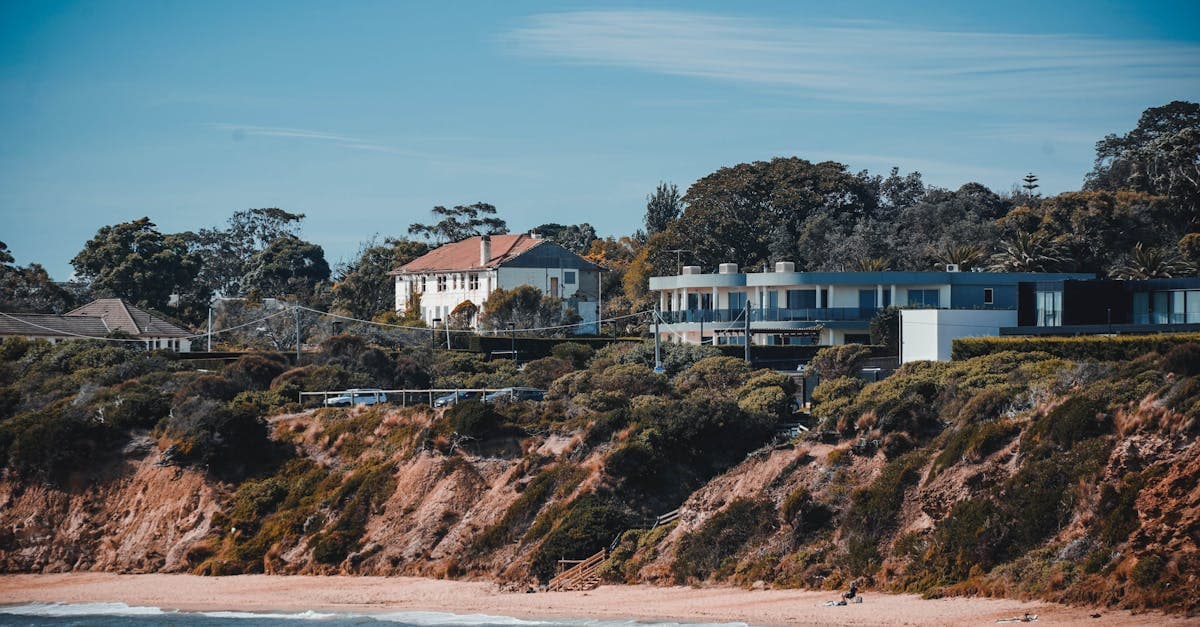
As a Florida property owner, determining whether you need flood insurance is one of the most consequential financial decisions you will make. The wrong answer can cost you tens of thousands of dollars in a single event.
Flood insurance is the personalized weather shield that protects each Florida resident based on their specific exposure to hurricanes, rainfall, storm surge, and drainage conditions. Unlike homeowners insurance, which is standard and expected, flood insurance is often treated as optional — a coverage for coastal properties and flood zone residents. This framing is misleading in Florida, where the entire state is a flood risk zone to varying degrees.
Your decision should be based on three factors. First, your property's physical flood risk — elevation, proximity to water, drainage quality, and surrounding terrain. Second, your financial capacity to absorb an uninsured flood loss — can you write a check for $50,000 to $100,000 without financial hardship? Third, the cost of coverage relative to your risk — is the annual premium a reasonable expense given the potential loss amount?
For most Florida property owners, the honest answers to these questions point toward purchasing flood insurance. The physical risk is real for properties throughout the state. Few homeowners can comfortably absorb a five-figure or six-figure uninsured loss. And the annual premium — particularly for properties outside high-risk zones — is modest relative to the protection it provides.
Florida Renters and Condo Owners: Flood Insurance Needs
But does this hold up under scrutiny? Renters and condo owners in Florida often assume they are covered by someone else's flood policy. This assumption leaves millions of Florida residents without flood protection for their personal property and, for condo owners, their unit improvements.
Renters: Your Florida landlord's flood insurance policy covers the building structure only. It does not cover your furniture, electronics, clothing, or other personal property. If floodwater enters your rental unit, every item you own is at risk with no insurance to replace it. An NFIP contents-only flood policy provides up to $100,000 in protection.
Cost for renters: NFIP contents-only policies for Florida renters are among the most affordable flood insurance products available, often costing $100 to $300 per year. The coverage protects your personal belongings from the financial devastation of a flood at a fraction of what you would spend replacing everything out of pocket.
Condo owners: The condo association's master flood policy typically covers the building structure and common elements. It does not cover improvements you have made to your unit — upgraded flooring, custom cabinets, built-in fixtures — or your personal property. An individual NFIP condo unit policy covers these gaps.
Condo assessment risk: If a major flood damages the condo building beyond what the association's flood policy covers, the association may levy special assessments against unit owners to fund repairs. Individual condo flood coverage can help offset these unexpected costs.
Who among renters and condo owners needs it most: Florida renters and condo owners on lower floors, in ground-level units, near water features, or in flood-prone communities face the highest flood risk and benefit most from individual flood coverage.
Florida Business Owners and Special Cases
The claim is worth questioning. Beyond residential homeowners, several categories of Florida property users face flood insurance needs that deserve specific attention.
Small business owners: Florida businesses face flood risk to their building, equipment, inventory, and revenue. Commercial flood insurance through the NFIP provides up to $500,000 in building coverage and $500,000 in contents coverage. Businesses in flood zones with SBA or other federal loans face mandatory requirements. Even without a mandate, a flood that shuts down a business for weeks can cause losses far exceeding the annual premium.
Home-based businesses: Florida homeowners who run businesses from home face compound flood exposure. Flood damage destroys both living space and workspace, personal property and business equipment. Standard NFIP residential policies have limited coverage for business property, and a separate commercial policy or endorsement may be needed.
Houses of worship and nonprofits: Churches, temples, and nonprofit organizations that own Florida properties face the same flood risk as residential and commercial owners. NFIP coverage is available for these buildings, and the financial impact of uninsured flood damage can threaten the organization's mission.
Properties with environmental sensitivity: Florida properties near wetlands, coastal habitats, or environmentally sensitive areas may face regulatory requirements for flood damage remediation that increase costs beyond normal repair expenses. Flood insurance helps offset these elevated costs.
Short-term rental owners: Florida property owners operating vacation rentals or short-term rentals face flood risk to the property and loss of rental income. Flood damage during peak rental season can eliminate thousands of dollars in bookings while repair costs mount.
Agricultural properties with structures: Florida agricultural operations with buildings, barns, and processing facilities face flood risk to these structures. Agricultural structures are eligible for NFIP coverage and should be insured when the operation depends on them.
Florida Homeowners Outside Designated Flood Zones
The claim is worth questioning. Florida homeowners in Zone X or other non-high-risk designations face no federal flood insurance requirement, but they face real flood risk that is the approaching storm that does not discriminate between coastal mansions and inland bungalows when it drops fifteen inches of rain on unprepared neighborhoods.
The Zone X misconception: Zone X means moderate to minimal risk, not zero risk. In Florida, where flat terrain prevents efficient drainage, Zone X properties regularly experience flooding from heavy rainfall, overwhelmed stormwater systems, and localized drainage failures.
Statistics that matter: Over 25 percent of NFIP flood claims come from properties in moderate and low-risk zones. In a state like Florida where rainfall intensity routinely exceeds drainage capacity, the percentage may be even higher. Zone X flooding is a regular occurrence, not an anomaly.
Affordable coverage options: NFIP Preferred Risk Policies for Zone X properties in Florida can cost as little as $300 to $600 per year for $250,000 in building coverage and $100,000 in contents coverage. At this price point, the cost-benefit analysis overwhelmingly favors purchasing coverage.
Risk factors to evaluate: Florida homeowners outside flood zones should evaluate their elevation relative to surrounding terrain, proximity to any water features, neighborhood drainage quality, and local flood history. Low-lying lots in Zone X may face greater actual flood risk than elevated lots in Zone AE.
The development factor: New construction in your area can alter drainage patterns and increase runoff, raising flood risk for properties that were previously unaffected. Monitor development near your Florida home and adjust your flood insurance decision accordingly.
After Paying Off Your Florida Mortgage: Should You Keep Flood Insurance?
But does this hold up under scrutiny? One of the most consequential flood insurance decisions a Florida homeowner faces is whether to maintain coverage after the mortgage is paid off and the legal requirement ends. The answer for most Florida homeowners is emphatically yes — because the approaching storm that does not discriminate between coastal mansions and inland bungalows when it drops fifteen inches of rain on unprepared neighborhoods.
Why homeowners drop coverage: The most common reasons are cost savings, the absence of a mandate, and the belief that self-insuring is adequate. These reasons are understandable but fail to account for the catastrophic potential of uninsured flood damage.
The math of self-insurance: To truly self-insure against flood damage, you need liquid assets sufficient to cover a total flood loss — $50,000 to $150,000 or more depending on the severity of flooding and your home's value. Few homeowners have this level of readily accessible funds that they can afford to spend on emergency home repairs.
What you are really risking: A mortgage-free Florida home represents pure equity — your asset, fully owned. Flood damage to an uninsured home attacks that equity directly. A $75,000 flood repair on a $350,000 home reduces your equity by over 20 percent. A catastrophic flood can make the home uninhabitable and potentially worthless without massive investment.
The retirement timing risk: Many Florida homeowners pay off their mortgages around retirement age, precisely when their financial flexibility is most limited. A major uninsured flood loss during retirement can force reverse mortgages, asset liquidation, or relocation — outcomes that flood insurance prevents.
The affordable alternative: Many mortgage-free homeowners in non-mandatory zones qualify for NFIP Preferred Risk Policies at $300 to $600 per year. Even homeowners in high-risk zones typically pay $1,000 to $3,000. Compare these annual costs to the potential $50,000-plus flood loss they prevent.
The recommendation: Unless you have substantial liquid assets that you are willing and able to deploy for flood repairs, maintaining flood insurance after paying off your Florida mortgage is one of the soundest financial decisions you can make.
Making Your Flood Insurance Decision in Florida
The claim is worth questioning. After evaluating your risk factors, property type, financial situation, and coverage options, you need a framework for making your final decision about flood insurance in Florida. This is calibrating your flood protection to your specific weather exposure so your Florida property is shielded regardless of how the next storm behaves.
Step one — check your flood zone: Visit msc.fema.gov and enter your Florida property address. Note your flood zone designation. If you are in Zone A, AE, V, VE, or another Special Flood Hazard Area designation, you likely need flood insurance — and may be required to carry it.
Step two — get a quote: Contact a licensed insurance agent and request quotes from both the NFIP and at least one private flood insurer. The quote is free and gives you concrete cost information to evaluate. Many Florida homeowners are surprised to find coverage more affordable than expected.
Step three — assess your financial exposure: Estimate the potential cost of flood damage to your home. FEMA estimates that one inch of water causes $25,000 in damage. Compare this potential loss to the annual premium from your quote.
Step four — evaluate your financial resilience: Could you absorb a $25,000 to $100,000 uninsured loss without severe financial hardship? If the answer is no — and for most homeowners it is no — flood insurance is the appropriate risk transfer mechanism.
Step five — consider your total financial picture: If your Florida home represents a significant portion of your net worth, flood insurance protects that concentration of wealth. If you have substantial liquid assets beyond the home's value, self-insurance becomes more feasible — but rarely more cost-effective.
Step six — decide and act: If the analysis supports purchasing flood insurance — and for most Florida property owners it will — purchase the policy now. The 30-day waiting period means every day of delay is a day of exposure. Do not wait for hurricane season to make this decision.
Coastal vs Inland Florida: Who Needs Flood Insurance in Each Region
But does this hold up under scrutiny? The type of flood risk differs between coastal and inland Florida, but the need for flood insurance exists in both regions. Understanding the different flood mechanisms helps you evaluate your specific exposure.
Coastal flood risk — storm surge: The primary flood threat to coastal Florida properties is storm surge from hurricanes and tropical storms. Storm surge can push walls of ocean water miles inland, flooding everything in its path. Coastal V and VE zones face the highest risk, but storm surge can reach well into A zones and even X zones during major hurricanes.
Coastal flood risk — king tides and sea level: South Florida coastal properties increasingly experience tidal flooding during king tides — exceptionally high tides that can flood streets and low-lying properties without any storm event. Rising sea levels are making these events more frequent and more severe.
Inland flood risk — rainfall flooding: Inland Florida properties face flood risk primarily from heavy rainfall that overwhelms drainage systems. Florida's flat terrain means water spreads across the landscape rather than flowing to natural channels. A slow-moving storm that drops 10 to 15 inches of rain can flood entire neighborhoods far from any coast.
Inland flood risk — river and lake flooding: Central and North Florida properties near rivers, lakes, and wetlands face flood risk from rising water levels during prolonged rain events. The St. Johns River, one of the few rivers in the world that flows north, can rise dramatically during hurricane season.
The overlap zone: Many Florida properties face both coastal and inland flood risk. Properties in the Tampa Bay area, the St. Johns River corridor, and the Everglades fringe can experience flooding from both storm surge and rainfall during a single hurricane event.
The recommendation: Both coastal and inland Florida property owners should consider flood insurance. The source of flood risk differs, but the financial consequences of uninsured flooding are equally devastating regardless of whether the water came from the ocean or the sky.
Quick Takeaways on Who Needs Flood Insurance in Florida
If you remember nothing else from this guide, remember these five points:
One: Nearly every Florida property faces some level of flood risk due to the state's flat terrain, coastal exposure, intense rainfall, and hurricane frequency. Distance from the coast does not equal distance from flood damage.
Two: Standard homeowners insurance does not cover flood damage. The only way to insure against rising water in Florida is a separate flood insurance policy through the NFIP or a private insurer.
Three: Over 25 percent of flood claims come from outside high-risk zones. Your property does not need to be in a flood zone to experience devastating flooding.
Four: Affordable coverage exists for every Florida property type. Preferred Risk Policies for moderate-risk properties can cost under $500 per year for $250,000 in building protection.
Five: The average flood claim exceeds $50,000. Compare that to your annual premium and your ability to absorb an uninsured loss of that magnitude. For most Florida property owners, the math strongly favors purchasing coverage.
Continue reading

How to Read an Insurance Quote Like a Professional
Insurance quotes contain dense information that most consumers skim past. Learning to read every section of a quote — from coverage summaries to endorsement schedules — reveals the true quality of each offer.
Policy Checkup After Buying a Home: Getting Your Coverage Right
Homeownership brings dwelling coverage, personal property protection, liability limits, and flood risk questions. A thorough policy checkup when you buy a home prevents costly coverage mistakes.

Why Insurance Companies Oppose Assignment of Benefits Agreements
Insurers argue that AOB drives up claim costs, encourages litigation, and inflates repair bills. Understanding the insurer perspective helps you evaluate whether an AOB serves your interests.