Your Tree Falls on Neighbor's Property: Are You Liable?

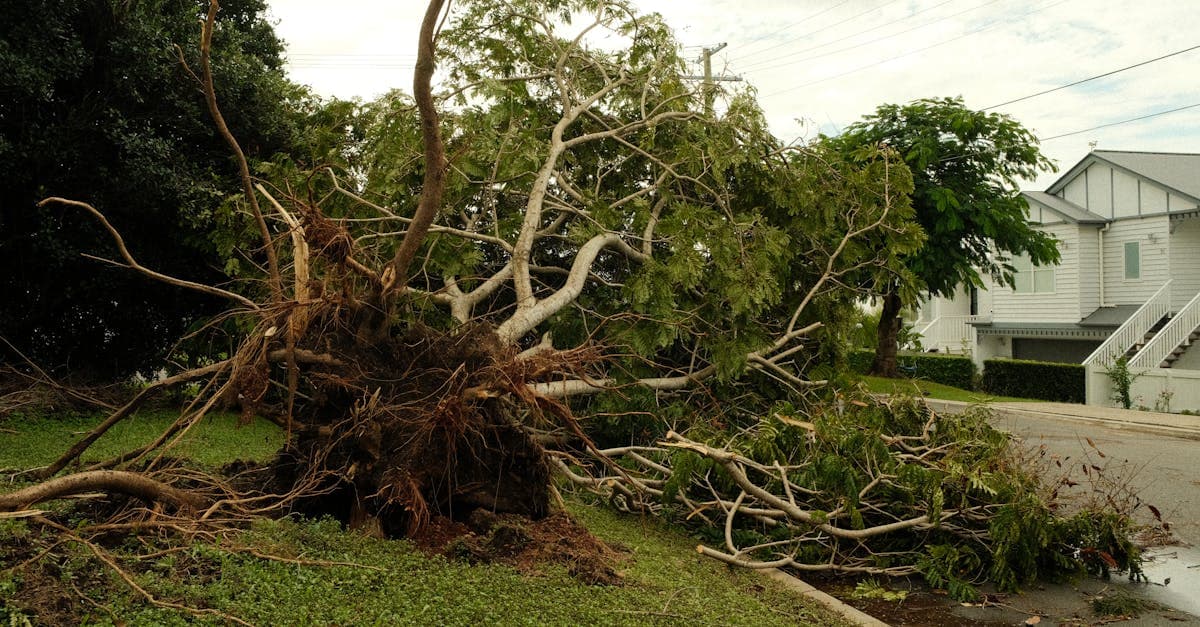
As a consumer, understanding your fallen tree coverage before an incident occurs puts you in a position of strength. Too many homeowners learn the details of this coverage while standing in front of a tree-damaged home, which is the worst possible time to discover limits, exclusions, and process requirements.
Your homeowners insurance is the shelter that keeps your finances dry when a storm-toppled tree opens your home to the elements. The standard HO-3 policy covers fallen tree damage to your dwelling, other structures, and personal property. Tree removal is covered with per-tree limits when the tree damages a structure or blocks access. These are solid protections that address the most common and most expensive fallen tree scenarios.
However, the consumer-unfriendly details matter. Per-tree removal limits of $500 to $1,000 are common but have not kept pace with actual removal costs. Landscaping replacement is limited to $500 per tree with a low aggregate cap. And the distinction between a tree that hits your house (covered removal) and a tree that falls in your yard (your expense) creates situations that feel arbitrary to homeowners dealing with the aftermath.
Knowing these limits empowers you to make informed decisions. You might choose to add endorsements that increase tree removal limits. You might invest in preventive tree maintenance to reduce the risk entirely. Or you might simply budget for the gap between what insurance covers and what tree removal actually costs in your area.
Tree Removal Costs: What Your Policy Covers
The claim is worth questioning. Tree removal after a fall is often the most misunderstood aspect of fallen tree coverage. Your homeowners policy covers removal costs, but with specific limits and conditions that frequently leave homeowners paying more than expected out of pocket.
Per-tree removal limits: Most homeowners policies cap tree removal at $500 to $1,000 per tree. This limit applies to each individual tree regardless of the total damage. When a single large tree requires a crane, specialized equipment, and a full crew to remove from your roof, the actual cost can easily exceed $3,000 to $5,000 — well beyond the per-tree cap.
When removal is covered: Tree removal is covered when the fallen tree has damaged a covered structure or is blocking a driveway, accessibility ramp, or other access point. The tree must have fallen due to a covered peril such as wind, lightning, ice, or the weight of snow. A tree that falls in your yard without hitting anything or blocking access is generally not covered for removal.
The structure requirement: This is where many homeowners face gaps. A tree that falls across your lawn, misses every structure, and blocks nothing is entirely your expense to remove. The same tree, had it clipped your fence on the way down, would trigger both structural repair coverage and tree removal coverage. This all-or-nothing approach based on what the tree hit frustrates homeowners who face removal costs regardless.
Multiple trees in one event: When a storm topples several trees, your deductible typically applies once to the entire storm event. However, each tree's removal is subject to its own per-tree limit. Five trees down with a $500 per-tree limit means a maximum of $2,500 in tree removal coverage, even if actual removal costs far exceed that figure.
Negotiating removal costs: If the tree removal cost exceeds your per-tree limit, discuss the situation with your adjuster. Some insurers will apply unused removal limits from trees that cost less to remove toward trees that cost more, though this is not guaranteed. Getting multiple removal estimates helps you manage costs and demonstrates reasonableness to the insurer.
Documenting Fallen Tree Damage for Your Claim
But does this hold up under scrutiny? The quality of your documentation directly affects the speed and amount of your fallen tree damage settlement. Thorough records before and after the event give you the strongest possible position when working with your insurer.
Before the fall — pre-loss documentation: Photograph your property regularly, including trees, structures, and landscaping. This baseline evidence proves the condition of your home and property before any damage occurred. Store these records in the cloud where they cannot be destroyed by the same event that damages your home.
Immediately after the fall: Before touching anything, photograph and video-record the entire scene. Capture the fallen tree, the damage it caused, and the surrounding context. Include shots that show where the tree was rooted, how it fell, and what it struck. If the tree came from a neighbor's property, photograph the stump location in relation to the property line.
Damage detail documentation: After capturing the overall scene, photograph specific damage in detail. Roof damage, structural impacts, broken windows, crushed fencing, and interior damage all need close-up documentation. Include a scale reference in photos when possible to show the size of damage areas.
Tree condition documentation: If the tree appears to have been dead or diseased before falling, photograph the trunk cross-section, any visible decay, and the root system. This evidence can be relevant to liability questions and to establishing that the fall was caused by a covered peril rather than maintenance neglect.
Keep records of all costs: Save receipts for emergency tree removal, temporary repairs, hotel stays if displaced, and any other expenses related to the tree damage. These costs may be reimbursable under your policy, but only if you can document them with receipts and invoices.
Tree Removal Costs: What Your Policy Covers
The claim is worth questioning. Tree removal after a fall is often the most misunderstood aspect of fallen tree coverage. Your homeowners policy covers removal costs, but with specific limits and conditions that frequently leave homeowners paying more than expected out of pocket.
Per-tree removal limits: Most homeowners policies cap tree removal at $500 to $1,000 per tree. This limit applies to each individual tree regardless of the total damage. When a single large tree requires a crane, specialized equipment, and a full crew to remove from your roof, the actual cost can easily exceed $3,000 to $5,000 — well beyond the per-tree cap.
When removal is covered: Tree removal is covered when the fallen tree has damaged a covered structure or is blocking a driveway, accessibility ramp, or other access point. The tree must have fallen due to a covered peril such as wind, lightning, ice, or the weight of snow. A tree that falls in your yard without hitting anything or blocking access is generally not covered for removal.
The structure requirement: This is where many homeowners face gaps. A tree that falls across your lawn, misses every structure, and blocks nothing is entirely your expense to remove. The same tree, had it clipped your fence on the way down, would trigger both structural repair coverage and tree removal coverage. This all-or-nothing approach based on what the tree hit frustrates homeowners who face removal costs regardless.
Multiple trees in one event: When a storm topples several trees, your deductible typically applies once to the entire storm event. However, each tree's removal is subject to its own per-tree limit. Five trees down with a $500 per-tree limit means a maximum of $2,500 in tree removal coverage, even if actual removal costs far exceed that figure.
Negotiating removal costs: If the tree removal cost exceeds your per-tree limit, discuss the situation with your adjuster. Some insurers will apply unused removal limits from trees that cost less to remove toward trees that cost more, though this is not guaranteed. Getting multiple removal estimates helps you manage costs and demonstrates reasonableness to the insurer.
Documenting Fallen Tree Damage for Your Claim
But does this hold up under scrutiny? The quality of your documentation directly affects the speed and amount of your fallen tree damage settlement. Thorough records before and after the event give you the strongest possible position when working with your insurer.
Before the fall — pre-loss documentation: Photograph your property regularly, including trees, structures, and landscaping. This baseline evidence proves the condition of your home and property before any damage occurred. Store these records in the cloud where they cannot be destroyed by the same event that damages your home.
Immediately after the fall: Before touching anything, photograph and video-record the entire scene. Capture the fallen tree, the damage it caused, and the surrounding context. Include shots that show where the tree was rooted, how it fell, and what it struck. If the tree came from a neighbor's property, photograph the stump location in relation to the property line.
Damage detail documentation: After capturing the overall scene, photograph specific damage in detail. Roof damage, structural impacts, broken windows, crushed fencing, and interior damage all need close-up documentation. Include a scale reference in photos when possible to show the size of damage areas.
Tree condition documentation: If the tree appears to have been dead or diseased before falling, photograph the trunk cross-section, any visible decay, and the root system. This evidence can be relevant to liability questions and to establishing that the fall was caused by a covered peril rather than maintenance neglect.
Keep records of all costs: Save receipts for emergency tree removal, temporary repairs, hotel stays if displaced, and any other expenses related to the tree damage. These costs may be reimbursable under your policy, but only if you can document them with receipts and invoices.
How Tree Damage Claims Affect Your Insurance Premiums
The claim is worth questioning. Filing a fallen tree damage claim can affect your future homeowners insurance premiums. Understanding the potential impact helps you make informed decisions about whether to file a claim or handle smaller damage out of pocket.
Premium impact factors: The impact of a tree damage claim on your premium depends on the claim amount, your claims history, your insurer's policies, and whether the claim involved a widespread weather event. Single claims from major storms typically have less individual premium impact than claims from isolated incidents.
Catastrophe claims vs individual claims: When a major storm causes widespread tree damage across a region, insurers often treat claims from that event more leniently in individual rate calculations. Your claim is one of thousands resulting from the same event, which reduces the individual risk signal. Individual tree damage claims outside of declared weather events may have more premium impact.
Claims history window: Most insurers consider your claims history over three to five years. A tree damage claim filed today will affect your premium calculations for several years before aging out of the window. This long-term impact is worth considering when deciding whether to file small claims.
When to file vs when to absorb: If the tree damage repair cost is only modestly above your deductible, paying out of pocket may save you more in avoided premium increases than the net insurance benefit of filing the claim. As a general guideline, claims where the net benefit is less than $1,000 to $2,000 deserve careful consideration before filing.
Multiple claims compounding: The premium impact of multiple claims within a short period is greater than the sum of individual claims. If you have filed other claims recently, adding a tree damage claim may trigger a larger premium increase or even non-renewal risk. Consider your overall claims history when making filing decisions.
Understanding Per-Tree Removal Limits
The claim is worth questioning. The per-tree removal limit is the most financially impactful and least understood aspect of fallen tree coverage. Understanding this limit is forecasting your recovery options before the next tree-toppling storm arrives because it directly determines how much of the removal cost you pay out of pocket.
Standard per-tree limits: Most homeowners policies set tree removal limits at $500 or $1,000 per tree. This figure covers the cost of cutting, hauling, and disposing of the fallen tree. It does not include stump grinding, which is typically a separate expense not covered by the policy.
Reality of removal costs: Actual tree removal costs frequently exceed policy limits. A medium tree in an accessible location may cost $500 to $1,500 to remove. A large tree lodged in a roof requiring crane work can cost $3,000 to $10,000. The gap between a $500 policy limit and a $5,000 actual cost is entirely the homeowner's responsibility.
What increases removal costs: Difficulty of access, proximity to structures, proximity to power lines, tree size and weight, equipment requirements such as cranes, and disposal regulations all increase removal costs. Trees embedded in structures are the most expensive to remove because the removal must be carefully coordinated with structural repairs to avoid additional damage.
Strategies for managing the gap: Consider endorsements that increase per-tree removal limits — some insurers offer them. Obtain multiple removal estimates to ensure competitive pricing. Ask whether the adjuster can apply unused removal limits from lower-cost trees toward higher-cost removals. And maintain trees preventively to reduce the likelihood of falls that require expensive removal.
Stump removal: Removing the stump after a tree is cut and hauled away is generally not covered by your homeowners policy. Stump grinding typically costs $100 to $400 per stump. While not covered, stump removal may be required by your municipality or desired for aesthetic reasons.
Quick Takeaways on Fallen Tree Coverage
If you remember nothing else from this guide, remember these five points:
One: Your homeowners insurance covers structural damage from fallen trees. Tree on your house equals dwelling coverage. Tree on your fence equals other structures coverage. Tree on your car equals auto comprehensive coverage.
Two: Tree removal is covered only when the tree hit a structure or blocks access, and per-tree limits of $500 to $1,000 often fall short of actual removal costs.
Three: Your neighbor is not liable when their healthy tree falls on your property during a storm. Your insurance covers your damage. Liability only applies if the tree was known to be hazardous.
Four: Landscaping replacement is limited to approximately $500 per tree. Budget separately for replacing destroyed mature trees and plants.
Five: Prevent what you can. Remove dead trees, prune regularly, and document your property's condition. Prevention is cheaper than any deductible.
These principles cover the vast majority of fallen tree insurance situations.
Continue reading

How to Read an Insurance Quote Like a Professional
Insurance quotes contain dense information that most consumers skim past. Learning to read every section of a quote — from coverage summaries to endorsement schedules — reveals the true quality of each offer.

Policy Checkup After Buying a Home: Getting Your Coverage Right
Homeownership brings dwelling coverage, personal property protection, liability limits, and flood risk questions. A thorough policy checkup when you buy a home prevents costly coverage mistakes.

Why Insurance Companies Oppose Assignment of Benefits Agreements
Insurers argue that AOB drives up claim costs, encourages litigation, and inflates repair bills. Understanding the insurer perspective helps you evaluate whether an AOB serves your interests.