What If Someone Crashes Your Car and They Have No Insurance?

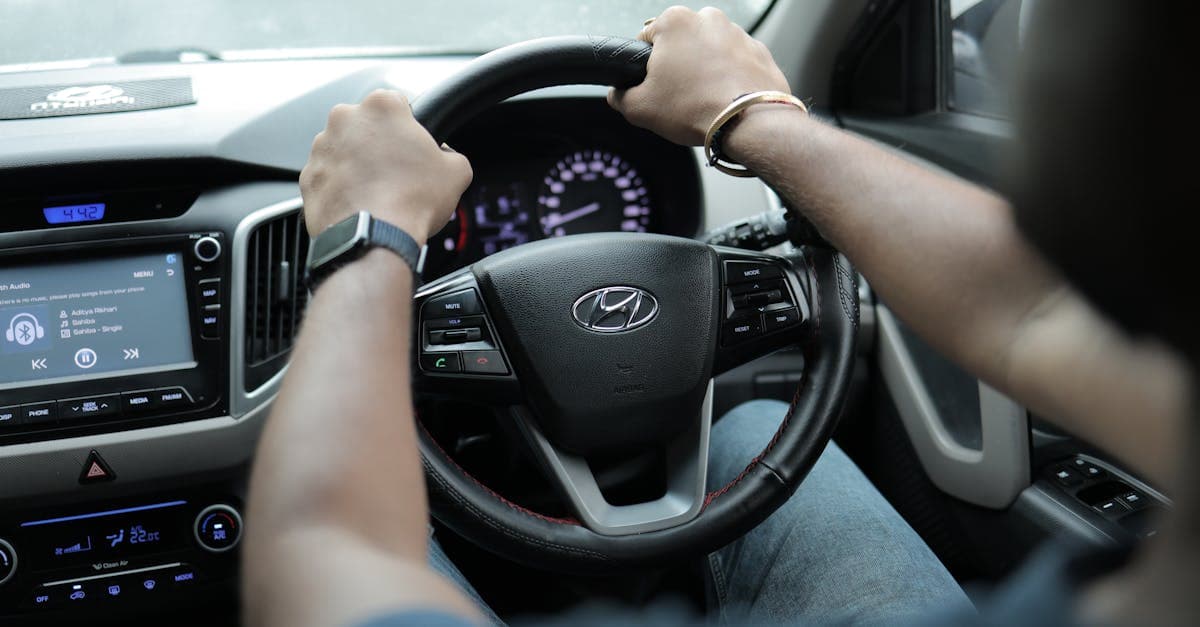
Insurance companies are not always transparent about the consequences of lending your car. The permissive use clause in your policy sounds like generous coverage — anyone you authorize can drive your car. What it does not emphasize is that the entire financial burden of their accident falls on you as the policy owner.
As a consumer, you need to understand that your auto insurance is the storm shelter that protects your finances when a borrower brings the tempest, but the cost of using that coverage when a borrower crashes your car is entirely yours. Your deductible applies. Your claims history absorbs the incident. Your premium may increase. And if the borrower causes injuries that exceed your liability limits, you as the vehicle owner may face personal lawsuits.
The insurance company benefits from the permissive use system because it concentrates claims on the vehicle's policy rather than spreading them across multiple policies. This simplifies their claims process and keeps secondary insurers from bearing costs. From the consumer's perspective, however, the system means that lending your car carries more financial risk than most people realize.
Informed consumers make lending decisions based on understanding these consequences — not on the assumption that everything will be fine because they have insurance. This guide provides the information you need to make those decisions wisely.
How a Borrower's Crash Affects Your Insurance Rates
But does this hold up under scrutiny? One of the most frustrating consequences of a borrowed-car accident is the potential impact on your insurance premium — the unexpected storm that strikes when someone else is driving through your forecast. Since the claim is filed against your policy, your insurer may increase your rates at renewal, even though you were not behind the wheel.
Why your rates may increase: Insurers base premium calculations on claims history. A collision claim on your policy signals increased risk to the insurer, regardless of who was driving. The insurer's perspective is that your vehicle was involved in an accident, and they paid a claim. This statistical risk factor affects your premium.
The magnitude of the increase: Rate increases from a single at-fault collision claim vary by insurer and state but typically range from 20 to 40 percent. A $1,200 annual premium could jump to $1,440 to $1,680. This increase persists for three to five years as the claim works through your rating history.
Not-at-fault considerations: If the borrower was not at fault for the accident — for example, another driver hit your car while the borrower was stopped at a red light — the rate impact may be minimal. Not-at-fault claims are treated more favorably than at-fault claims by most insurers. However, some insurers still adjust premiums after any claim regardless of fault.
Accident forgiveness programs: Some insurers offer accident forgiveness that waives the rate increase for a first at-fault claim. If you have this feature on your policy, a borrower's first accident may not affect your premium. Check whether your policy includes accident forgiveness before relying on it.
Long-term financial impact: A 30 percent rate increase sustained over four years on a $1,500 annual premium costs an additional $1,800 in total premium — on top of the deductible and any other out-of-pocket expenses from the accident. This total cost should factor into your decision about lending your car.
Recovering Your Costs from the Borrower
The claim is worth questioning. After paying your deductible and absorbing potential rate increases from a borrowed-car accident, you may want to recover some of those costs from the person who actually caused the crash. Understanding your options for recovery is clearing the damage after someone else drove your car into a hurricane.
Direct negotiation: The simplest approach is a direct conversation with the borrower about reimbursing your deductible and potentially other out-of-pocket costs. Most reasonable people acknowledge their responsibility and agree to pay. Get any agreement in writing, including the amount and payment schedule.
Small claims court: If the borrower refuses to reimburse you voluntarily, small claims court is the most practical legal option for amounts up to the court's jurisdictional limit — typically $5,000 to $10,000 depending on your state. The process is straightforward, relatively inexpensive, and does not require an attorney.
What you can recover: You can potentially recover your collision deductible, the cost of a rental car not covered by your policy, diminished value of your vehicle after repair, and any other out-of-pocket expenses directly caused by the accident. You generally cannot recover the intangible cost of your premium increase because that increase is between you and your insurer.
Subrogation by your insurer: If the borrower was at fault and has their own insurance, your insurer may pursue subrogation — a process where your insurer seeks reimbursement from the borrower's insurer. If subrogation is successful, your deductible may be refunded. Ask your claims adjuster whether subrogation will be pursued.
When collection is impractical: If the borrower has no insurance, no significant assets, and limited income, recovering costs through legal action may not be worth the effort. A court judgment is only valuable if the borrower can actually pay it. Consider this reality before investing time and filing fees in small claims court.
Who Pays the Deductible After a Borrower's Crash
The claim is worth questioning. One of the most contentious issues after a borrowed-car accident is who pays the collision deductible. Your insurance requires you to pay the deductible before coverage kicks in, but whether the borrower should reimburse you is a separate question.
Your obligation to the insurer: Your collision deductible is your financial responsibility under your policy. Whether it is $500, $1,000, or more, you must pay it before the insurer covers the remaining repair costs. The insurer does not care who was driving — they care about the contractual deductible amount.
The borrower's moral obligation: While there is no automatic legal requirement for the borrower to pay your deductible, most people consider it the right thing to do. The borrower caused the accident using your vehicle, and the deductible is a direct financial consequence of their actions.
Negotiating reimbursement: Have a direct conversation with the borrower about the deductible. Most reasonable people will agree to reimburse you, especially if the accident was clearly their fault. Get any agreement in writing to avoid misunderstandings later. If the borrower has renters or personal liability insurance, it may cover the deductible.
Small claims court option: If the borrower refuses to pay your deductible and you want to pursue it legally, small claims court is typically the appropriate venue. The process is straightforward and does not require an attorney. You will need documentation of the accident, the deductible payment, and evidence that the borrower was driving.
Subrogation possibility: If the borrower was at fault and has their own insurance, your insurer may pursue subrogation against the borrower or their insurer to recover claim payments. If successful, your deductible may be refunded through the subrogation process.
Vicarious Liability: When the Owner Gets Sued
But does this hold up under scrutiny? Vicarious liability is a legal doctrine that can hold you, the vehicle owner, liable for accidents caused by someone else driving your car with permission. This liability exists separate from your insurance and can reach your personal assets.
How vicarious liability works: In states with vicarious liability statutes, the injured party can sue both the driver and the vehicle owner. The theory is that as the owner, you had control over who used your vehicle and bear some responsibility for the consequences of lending it. Your insurance defends and pays these claims up to your policy limits.
State-by-state variation: Vicarious liability laws vary dramatically by state. Some states impose strict liability on vehicle owners for any accident by a permissive user. Others limit the owner's liability to insurance policy limits. A few states have abolished or severely limited vicarious liability. Knowing your state's approach is essential.
The negligent entrustment escalation: Negligent entrustment is a separate but related theory that imposes liability when you lend your car to someone you know or should know is an incompetent driver. Unlike standard vicarious liability, negligent entrustment claims are based on your own negligence in lending the vehicle, not just your status as owner. These claims can exceed insurance limits.
Protecting yourself legally: Adequate liability insurance is your first defense. An umbrella policy is your second. Beyond insurance, the best protection is screening who drives your vehicle. Do not lend your car to drivers you know to be impaired, unlicensed, or historically reckless. If you do, negligent entrustment exposure increases dramatically.
When to consult an attorney: If you receive a lawsuit related to someone else crashing your car, contact your insurer immediately — they are obligated to provide legal defense under your policy. If the damages claimed exceed your policy limits, consult a personal attorney to protect your individual interests.
The Relationship Impact of Borrowed Car Accidents
The claim is worth questioning. Beyond the financial and legal consequences, borrowed-car accidents often strain or destroy relationships between the vehicle owner and the borrower. Addressing the human side of these situations helps you navigate the aftermath while preserving important relationships.
The immediate tension: When someone crashes your car, the immediate emotional response often includes anger, frustration, and blame — even if the borrower is genuinely sorry. These emotions are natural but can lead to damaging confrontations if not managed. Take time to process before having difficult conversations about money.
The deductible conversation: Discussing who pays the deductible is one of the most awkward conversations in any relationship. Approach it as a practical matter, not an accusation. Present the facts: the accident produced a cost, you are asking the borrower to cover the deductible as a reasonable share of that cost. Most people respond better to straightforward requests than to guilt or blame.
When the borrower cannot pay: If the borrower lacks the financial means to reimburse you, demanding payment can damage the relationship without producing results. Consider whether the relationship is worth more than the deductible amount and whether a payment plan or partial reimbursement is a reasonable compromise.
Setting boundaries going forward: After a borrowed-car accident, it is reasonable to change your lending practices. You do not owe anyone future access to your vehicle. If the borrower asks to borrow your car again, a polite decline is perfectly appropriate and does not require an elaborate explanation.
Preventing relationship damage proactively: The best strategy is to discuss the financial realities of lending a car before handing over the keys. If both parties understand that the owner's insurance pays first, the owner's rates may increase, and the owner's deductible applies, there are fewer surprises if an accident occurs. Informed lending creates clearer expectations for everyone.
The Excluded Driver Nightmare Scenario
But does this hold up under scrutiny? If an excluded driver crashes your car, you face the unexpected storm that strikes when someone else is driving through your forecast — your insurance company will deny the claim entirely. This is one of the most devastating coverage gaps in auto insurance, and it is entirely preventable with proper policy management.
Zero coverage means zero coverage: When a driver is formally excluded from your policy, the exclusion is absolute. Your insurer has no obligation to pay any claims arising from that driver operating your vehicle. Liability, collision, comprehensive — all coverages are voided for any accident involving the excluded driver.
The financial devastation: Without insurance coverage, you are personally responsible for every dollar of damage, injury, and legal cost from the accident. A moderate accident can easily produce $50,000 or more in combined liability and property damage. A serious injury accident can reach into the hundreds of thousands.
Common excluded driver scenarios: The most common situation involves excluding a high-risk household member — typically a teen with violations or an adult with a DUI history — to reduce premium costs. The premium savings may be a few hundred dollars per year. The cost of a single uncovered accident can be life-altering.
The temptation to let them drive anyway: Excluding a driver is supposed to mean they never drive your car. In practice, life happens — the excluded driver needs to run an errand, move the car from the driveway, or handle an emergency. Any of these situations can produce an uncovered accident.
Better alternatives: If the premium for listing a high-risk driver is too expensive, consider whether the vehicle is worth keeping, whether a different insurer offers better rates for your situation, or whether the high-risk driver can obtain their own separate policy and vehicle. Any of these options is safer than maintaining an exclusion that could result in catastrophic uncovered losses.
Quick Takeaways: When Someone Else Crashes Your Car
Remember these five essential points about borrowed-car accidents:
One: Your insurance pays first. The claim is filed against your policy, and your deductible applies.
Two: The claim appears on your record. Your insurance history absorbs the incident, potentially increasing your premium for three to five years.
Three: The borrower's insurance is secondary. It only kicks in if damages exceed your policy limits.
Four: Excluded drivers mean zero coverage. If an excluded person crashes your car, your insurer denies the claim entirely.
Five: You may face personal liability. If damages exceed your insurance limits, your personal assets may be at risk.
These realities should inform every decision you make about who drives your vehicle.
Continue reading

How to Read an Insurance Quote Like a Professional
Insurance quotes contain dense information that most consumers skim past. Learning to read every section of a quote — from coverage summaries to endorsement schedules — reveals the true quality of each offer.
Policy Checkup After Buying a Home: Getting Your Coverage Right
Homeownership brings dwelling coverage, personal property protection, liability limits, and flood risk questions. A thorough policy checkup when you buy a home prevents costly coverage mistakes.

Why Insurance Companies Oppose Assignment of Benefits Agreements
Insurers argue that AOB drives up claim costs, encourages litigation, and inflates repair bills. Understanding the insurer perspective helps you evaluate whether an AOB serves your interests.